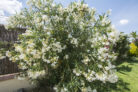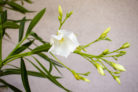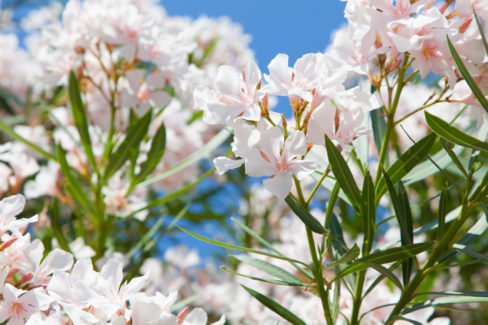
Oleander is a total classic and a huge favorite for adding a Mediterranean vibe to the garden. But if you want yours to really thrive, picking the right spot is key. Here are my top tips for finding the perfect home for your oleander so it stays happy and healthy all season long.
Ways to Grow Your Oleander
Since oleander isn’t frost-hardy, you’ll rarely see it planted directly in the ground in most climates. Instead, it’s much happier living:
- In pots or containers on balconies and patios.
- As a bonsai.
- Or trained as a standard (tree-form).
The Warmer and Sunnier, the Better
No matter how you choose to grow your oleander, its “must-haves” for a location stay the same. To get that lush growth and a massive explosion of blooms, you need to find the warmest, sunniest spot available.
Now, keep in mind that while oleander is a thirsty plant that needs plenty of water and nutrients, it’s actually a bit sensitive to heavy rain. If you can, tuck your plant near a house wall or under a roof overhang to protect the delicate flowers from downpours. Also, try to avoid drafty spots, as these plants aren’t big fans of constant wind.
A quick pro-tip: If you have a young plant or you’re just bringing yours out after winter, don’t toss it into direct, scorching sunlight right away. Give it some time to acclimate to the bright, warm weather slowly, or you might end up with sunburned leaves!
What Happens During Cool Summers?
The right weather and location are the biggest factors for a great bloom. If we have a particularly cool or rainy summer, don’t panic if your oleander doesn’t produce many flowers (or any at all). It’s totally natural! Usually, it just means you’ll have to wait for a warmer, sunnier season for the plant to show off again.
Wintering: Keep it Cool and Dark
When it comes time for overwintering, the rules change. You’ll want to move your plant to a dark, cool spot—ideally right around 40°F (5°C). This ensures the oleander goes into its necessary dormant phase, saving its energy so it’s ready to push out new growth once spring rolls around again.