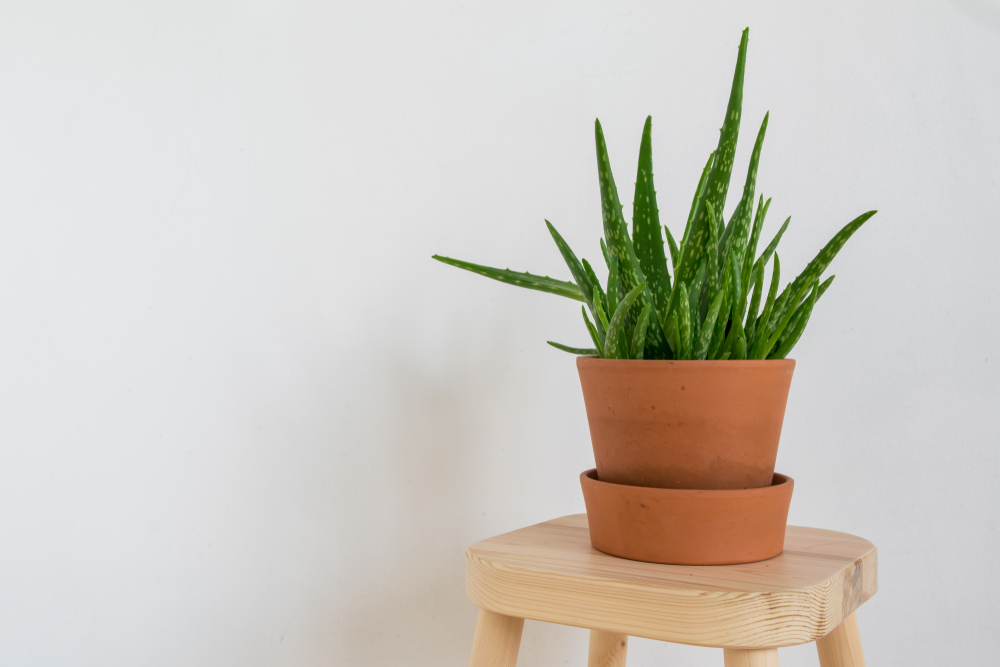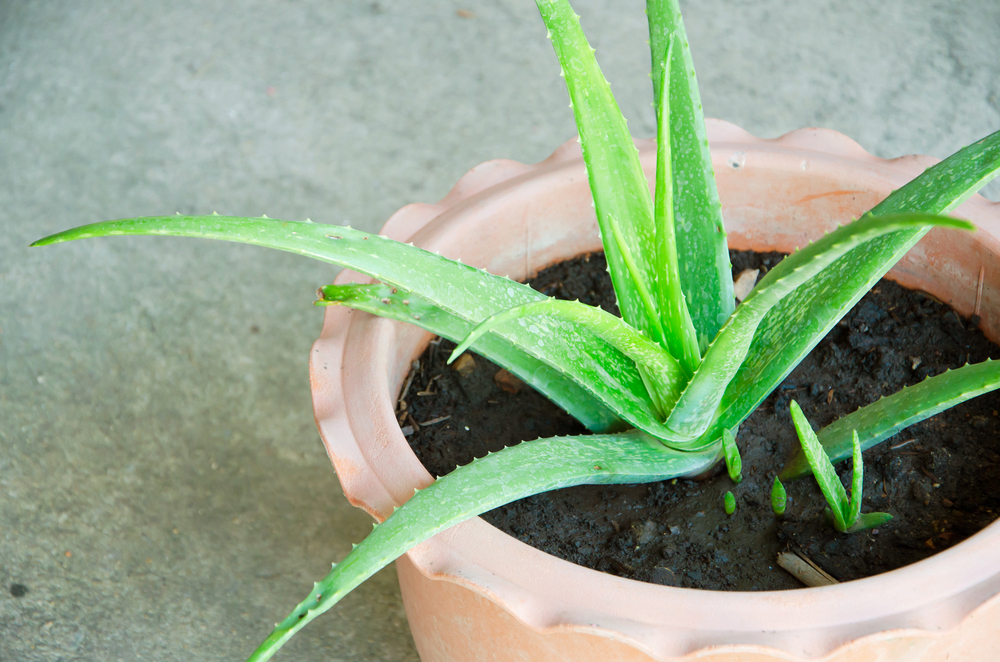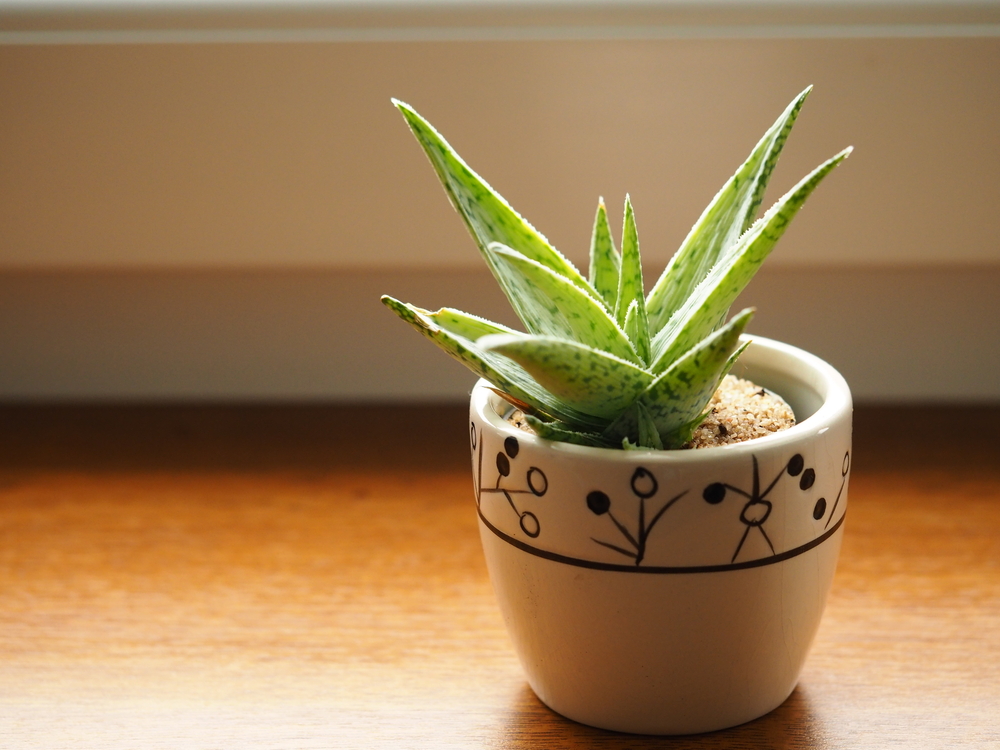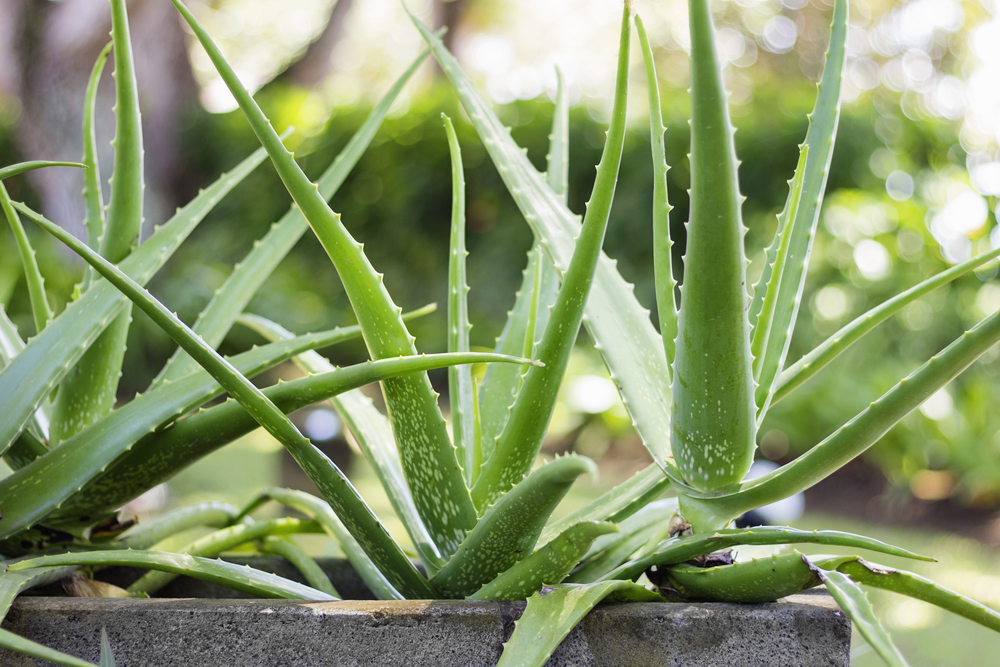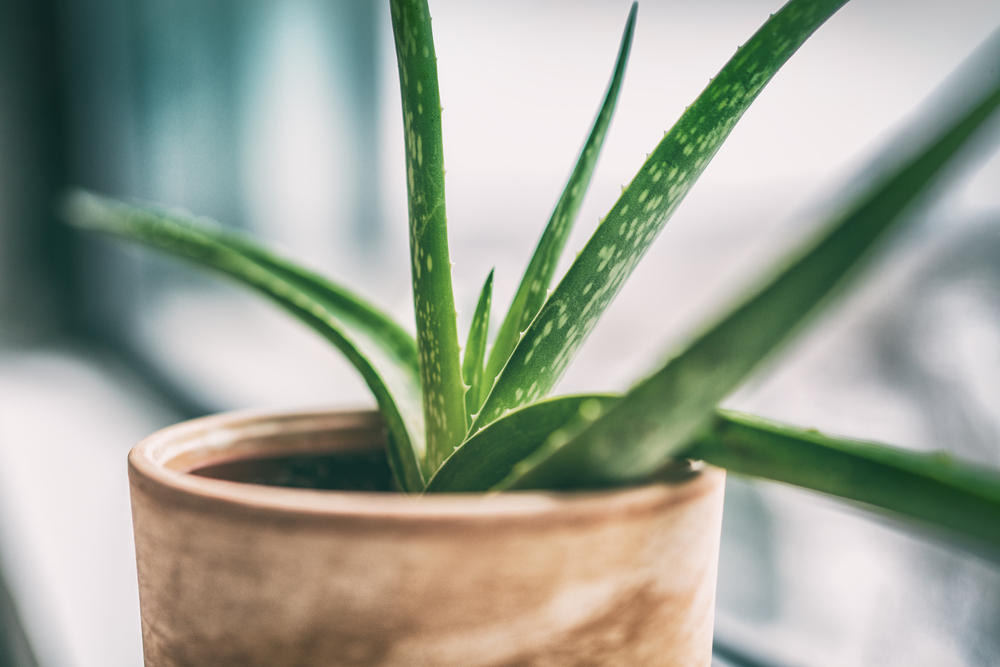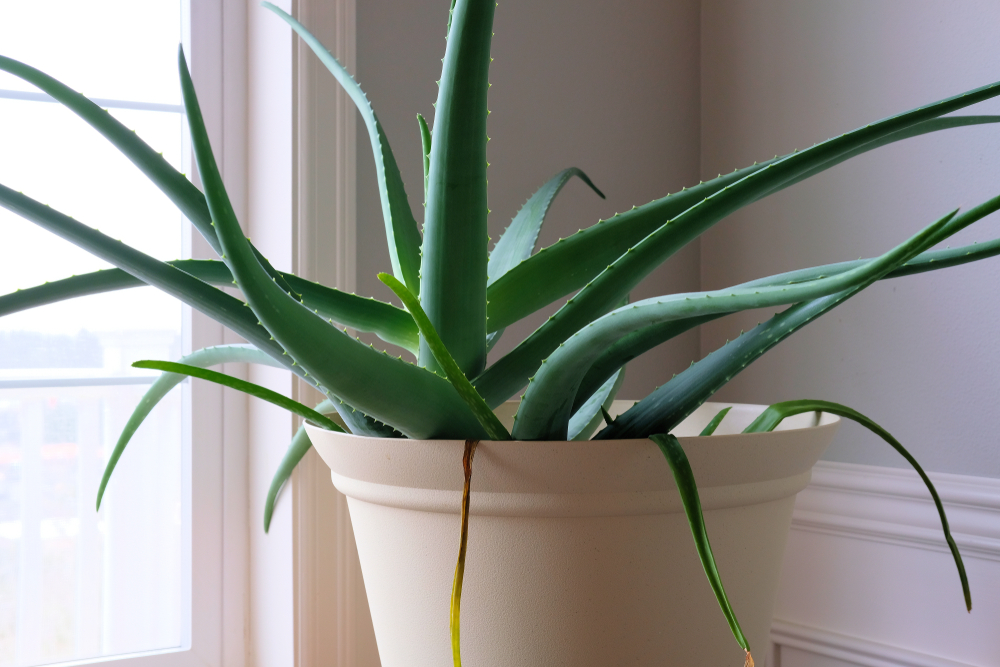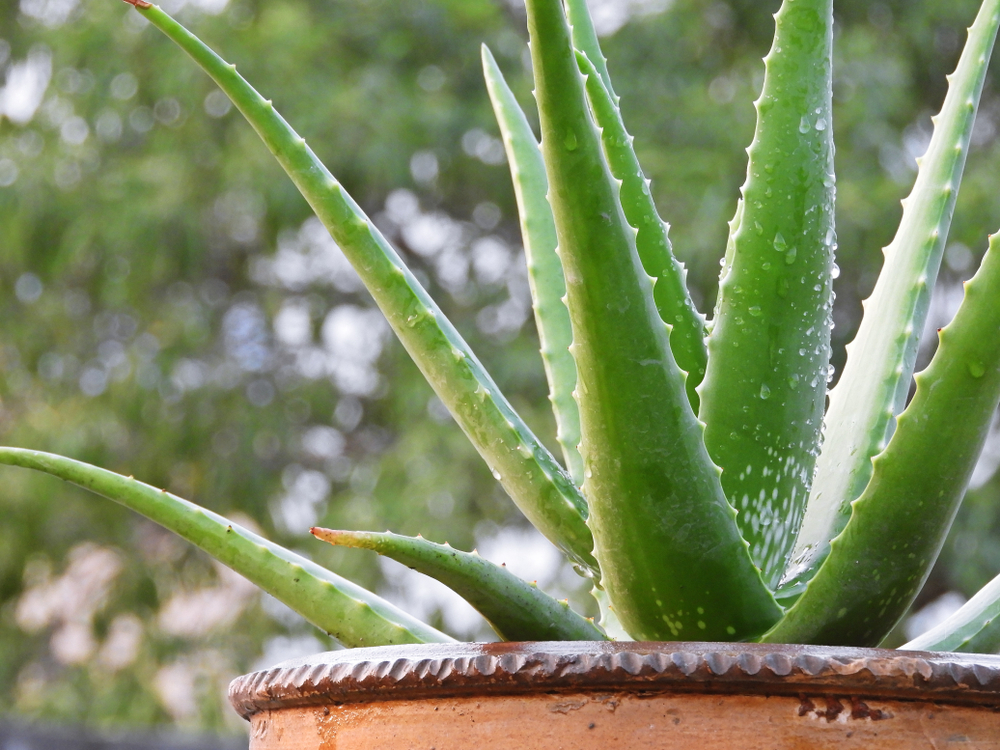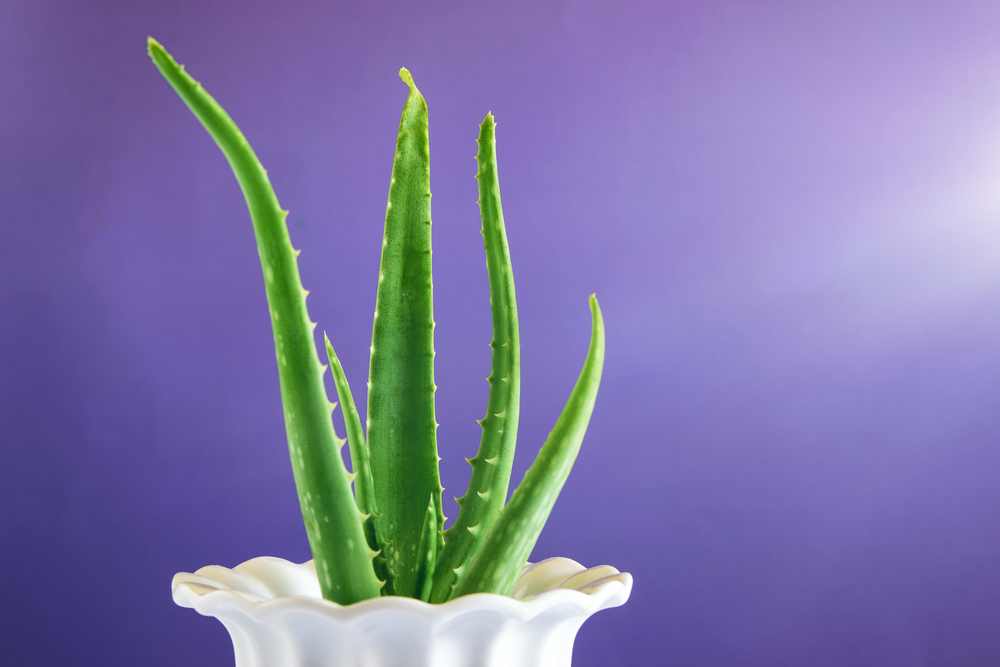
Aloe vera originally hails from tropical and subtropical regions. As a succulent, she’s a pro at storing water in those thick, fleshy leaves. While that’s a great survival tactic in the desert, it’s actually her downfall during our chilly winters. Frost turns that stored water into ice, destroying the leaf tissue and, unfortunately, killing the plant.
Where Aloe Vera Calls Home
The “True Aloe” likely got its start on the Arabian Peninsula. From there, it spread its roots across North Africa and eventually made its way to:
- Egypt
- Throughout the Middle East
- India
- China
- Arid regions of the Americas
- The Mediterranean
Even if you don’t live in a desert, Aloe vera is a superstar houseplant. Most of us keep them in our living rooms year-round, though they absolutely love a “summer vacation” out on the balcony or patio when the weather is nice.
Finding the Perfect Spot
Aloe vera is happiest when temperatures are between 70-80°F. This makes them perfect roommates; they don’t mind dry indoor air from the heater and they love soaking up the sun in a bright window. You can move your Aloe outside for the summer as long as the nighttime temperatures stay above 50°F. Just a heads-up: give your succulent a little time to acclimate to the direct sun so it doesn’t get a “sunburn.” As soon as the air gets crisp, it’s time to bring her back inside. During the winter, find a bright room that stays between 50-60°F. This lets the plant go into a sort of “hibernation” to prep for its next bloom. During this nap, hold off on the water and fertilizer entirely.
Spotting and Preventing Frost Damage
Fall weather can be unpredictable, and a sudden cold snap can catch your outdoor Aloe off guard. You’ll know your plant is struggling if the leaves or tips look glassy and feel mushy. Eventually, that damaged tissue will turn dark and die off. If your plant does get nipped by frost, here’s how to help:
- Move the plant to a warm, bright spot, but keep it out of direct sunlight for a bit.
- Stop watering for a while; you want the damaged parts to dry out and fall off naturally.
- You can also carefully trim away any completely dried-out sections.
- Check the roots for damage; if you find any mushy spots, let them dry out and trim them back.
Once you see new green growth peeking out, you’ll know your Aloe has officially bounced back!