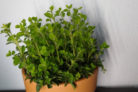
Thyme originally hails from the sunny Mediterranean, so it’s naturally a fan of warm, dry weather. However, thanks to modern breeding, many varieties have become quite hardy and can handle a chill. That said, depending on your climate, a little extra winter protection can go a long way in keeping your herbs happy.
Is Thyme Winter-Hardy?
As a Mediterranean herb, thyme thrives best in a sunny, warm, and dry location. Most common garden varieties are winter-hardy these days and can breeze through mild winters without a problem. However, if you’re expecting a long stretch of deep-freeze temperatures, your thyme will need a little help. If you’re growing thyme in pots, you should always provide some winter protection, as containers are more vulnerable to the cold.
How to Overwinter Thyme in Your Garden
Getting your thyme ready for winter actually starts in late summer. From mid-August onwards, you should stop pruning or fertilizing the plant. Both of these tasks encourage fresh new growth, and those tender young shoots won’t have time to harden off before the first frost, causing them to freeze and die. To keep the roots cozy, apply a protective layer of mulch. The best materials for this are:
- Brushwood or twigs
- Pine branches
- Straw
Avoid using fallen leaves or plastic sheeting. These tend to trap too much moisture, and if there’s one thing thyme hates, it’s “wet feet.” Too much dampness can lead to root rot, which can kill the entire plant.
How to Overwinter Thyme on a Balcony or Patio
Plants in pots are a bit more sensitive because their roots aren’t insulated by the ground, making them easy targets for frost. The constant cycle of freezing and thawing can also stress the plant out. To keep your potted thyme safe, you have two main options: move the pot to a cool but bright indoor spot, or wrap the container in an old blanket, burlap sack, or garden fleece. It’s also a great idea to lift the pot off the cold ground by placing it on a wooden pallet or a piece of styrofoam.