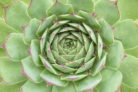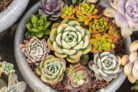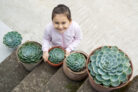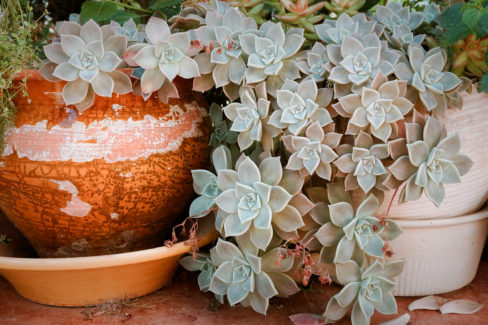
Exotic Echeverias hail from parts of the world that never see a frost. Because of those tropical roots, these beauties aren’t winter-hardy at all—in fact, they’re pretty sensitive even when temperatures are just a bit chilly. To keep your succulent happy, it definitely needs to spend the winter indoors.
Why Water Storage Means No Winter Hardiness
Since Echeverias are succulents, they have those gorgeous, fleshy leaves designed specifically to store water. That’s your first big clue that they can’t handle the cold; if that stored water freezes, it damages the plant’s cells. While your Echeveria will absolutely love a summer vacation outdoors, you’ve got to bring it back inside before the frost hits.
By the way: If you do keep your Echeveria in the garden during the summer, pick a sunny to partially shaded spot that’s protected from the wind. A little overhead cover is also a great idea to keep it from getting waterlogged during heavy summer rainstorms.
Bringing Them Inside for Fall
If you’ve been watering and caring for your Echeveria outdoors all summer, keep a close eye on the thermometer as fall approaches. You’ll want to bring it inside the moment temperatures start to dip. Whatever you do, don’t let your succulent sit out in nighttime temps below 40°F (5°C).
Pro Tip: Before you move your Echeveria into its winter quarters, give the soil a quick check for any hitchhiking pests!
How to Overwinter Your Echeveria the Right Way
Generally speaking—especially when caring for young plants—you can keep your Echeveria on a sunny windowsill year-round. However, these plants really benefit from a winter dormant period to recharge. If they don’t get that rest, they can actually become more prone to rot.
For the best results, let your plant rest between October and early March in a cool, bright spot. Ideally, you’re looking for temperatures between 40°F and 50°F (5-10°C). During this nap, water very sparingly—just enough so the soil doesn’t completely dry out.
Pro Tip: During the winter break, it’s best to water “by the sip.” Also, hold off on the fertilizer entirely until spring!
Post-Winter Care
After their winter nap, Echeverias need a little time to get used to the heat and bright light again. When you move them out of their winter spot in March, start slow. Give them just a few hours a day in a warm, sun-drenched location until they’re fully acclimated.