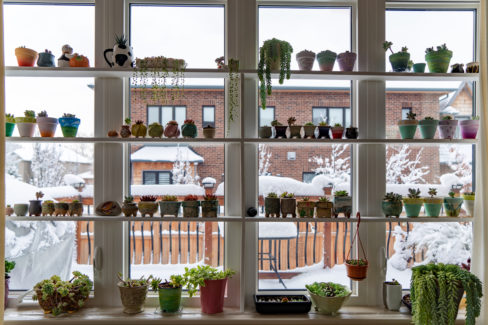
Because of their succulent nature and desert roots, cacti are hardwired for a winter dormancy period. If you want your prickly pals to thrive, you’ve got to give them a little “winter vacation” right in your own home. Trust me, they’ll usually thank you for the R&R with a spectacular show of blooms! Here’s the lowdown on how to set up the perfect winter snooze for your cacti.
Starting in September: Prepping for Dormancy
If your cactus has been spending its summer out on the balcony or in the garden, you’ll want to bring it inside once the autumn chill hits (usually early to mid-September). Think of your windowsill as a temporary pit stop while the plant gets ready for the big winter nap.
Once they’re back inside, start cutting back on the water. This is also the time to give them one last light dose of liquid fertilizer for the year.
Starting in November: Kicking Off the Winter Rest
By late October or early November, it’s officially nap time for your succulents. During the cold months, cacti crave two things: cool air and dry soil. To keep them happy, you’ll need a “winter quarter” that hits these marks:
- A sunny, bright spot.
- Temperatures between 40°F and 55°F (5°C to 12°C).
- One last deep soak in October, then put the watering can away.
- For large varieties (like Column Cacti): No water at all until February.
- For smaller varieties (like Prickly Pears) or Leaf Cacti: Just a tiny sip every now and then so they don’t completely shrivel.
Your cacti should stay in these conditions until the end of February. A bright, unheated bedroom is usually the perfect spot. If that’s not an option, a windowsill in a cool basement works great too!
The Exceptions to the Rule
Of course, there’s always a rebel in the bunch! Winter-blooming leaf cacti are the exception here, since they’re busy showing off their gorgeous red and white flowers during the holiday season. Varieties like *Rhipsalidopsis* (Easter Cactus) and *Schlumbergera* (Christmas Cactus) don’t start their short rest period until after they’ve finished blooming—usually from January through February.
February: The “Warm Shower” Wake-Up Call
When it’s time to wake your rested cactus from its winter slumber, move it back to its sunny permanent home. Give it a gentle “alarm clock” by misting it with a spray bottle of lukewarm water. About a week later, you can resume your normal care routine and, once the weather permits, move the plant back outdoors.