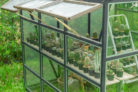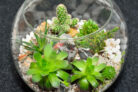
In a cozy, well-heated apartment, it can be surprisingly tough to find the perfect spot for your cactus to take its necessary winter nap. On the flip side, leaving them outside to face the frost is a recipe for disaster. So, what’s a plant parent to do? If you’re looking for the ideal middle ground, a bright greenhouse is a fantastic solution.
Why do cacti even need a winter home?
Desert cacti are pretty amazing—over millions of years, they’ve evolved to thrive in some of the hottest, driest places on Earth. These clever plants developed “succulence,” which is just a fancy way of saying they can store water in their stems, leaves, and even their spines to survive months of drought.
However, there’s one thing most desert cacti aren’t built for: freezing temperatures. In our climate, frost causes that stored water inside the plant to freeze. When water freezes, it expands, bursting the plant’s cells and often leading to a sad, mushy end for your cactus. To keep your prickly pal safe and sound, you’ve got to provide a frost-free spot for the winter.
Overwintering your cacti in the greenhouse
While cacti aren’t fans of the frost, keeping them too warm isn’t great either. In fact, a common reason why indoor cacti fail to produce those stunning blooms in the spring or summer is that they spent the winter in a room that was too toasty. A bright, frost-free greenhouse provides the “just right” Goldilocks conditions they crave.
A greenhouse offers the specific environment needed for a successful dormant period (especially for desert varieties). First off, you want a bright to sunny location where temperatures stay cool—ideally between 40°F and 55°F (5° to 12°C). You’ll also want to keep the humidity levels around 60 percent during their stay.
The right care for a greenhouse winter
The best time to move your cacti into the greenhouse is usually November, just as the temperatures really start to dip. To help them ease into their winter rest, start cutting back on watering gradually beginning in September.
Once they’re settled in the greenhouse, you should stop fertilizing entirely and only give them the tiniest sips of water—just enough to keep them from shriveling. Come February or March, you can move your succulents back into the house, making sure to reintroduce them to the direct sun slowly so they don’t get a “sunburn.”