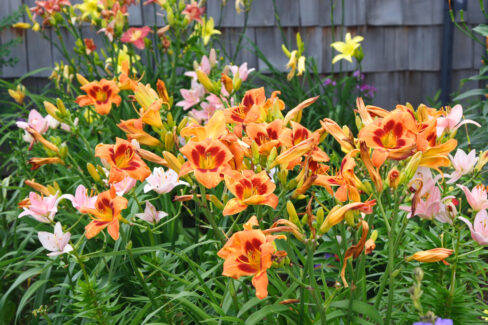
Daylilies are pretty low-maintenance guests in the garden. Usually, they just do their thing and show off those gorgeous blooms without much fuss. But what happens when the temperature drops? If you’re wondering how these beauties handle the chilly months, I’ve got you covered. Here’s the lowdown on getting your daylilies through winter.
Are They Winter Hardy?
The big question: How winter hardy is a daylily? Even though they have a bit of an exotic flair, most of them handle frost and freezing temps like absolute champs. As soon as the air gets crisp, the daylily starts prepping itself for survival. Thanks to their tough-as-nails root systems, they’re built to last. Most varieties are hardy down to -5°F, and some specially bred cultivars can even handle a bone-chilling -20°F. Generally speaking, you don’t need to lose any sleep over them.
However, there are a few “snowbirds” in the family. Varieties originally from warmer climates like Florida aren’t big fans of an icy winter and will need some extra protection. When you’re plant shopping, keep an eye on the origin. These less-hardy types are often labeled as “semi-evergreen” or “evergreen.”
Winter Care Tips
While daylilies in garden beds are pretty self-sufficient, a little TLC goes a long way. A nice layer of bark mulch over the root zone is a great winter blanket. Throw some evergreen boughs on top, and your plants will be snug as a bug until spring.
If you’re growing daylilies in pots, they’ll need a bit more attention since their roots are more exposed. Here’s a quick checklist for container plants:
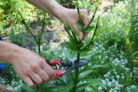
- Once the blooming season is over, go ahead and trim back the foliage.
- Move the pot to a spot that’s shielded from the worst of the wind and weather.
- To protect against ground frost, prop the pot up on a wooden block or “pot feet.”
- Wrap the container in burlap or garden fleece for extra insulation.
- Keep an eye on the soil—you don’t want it to freeze solid, but you don’t want it bone-dry either.
One last pro-tip: Make sure to fertilize your daylilies for the last time by July at the latest. Feeding them too late in the season encourages new, tender growth that’ll get zapped by the first frost. To avoid a sad surprise in the spring, get that last round of nutrients in by mid-summer!