The coconut palm is one of those plants that’s surprisingly easy to overwinter and doesn’t demand a whole lot of fuss. However, if you’re planning on potting one of these tropical beauties, there are a few key things you need to keep in mind to keep it happy.
The Right Soil
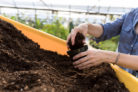
Coconut palms are pretty low-maintenance when it comes to food. They actually prefer a substrate that isn’t overly packed with nutrients. The most important thing is that the soil is loose and well-draining; if the roots sit in soggy soil, they’ll rot pretty quickly. You can find specialized palm soil at most garden centers, which works great for repotting older plants.
If you’re planning on growing your own palm from scratch, I’ve found that DIY soil mixes usually yield better results. A good base is a 50/50 mix of regular garden soil and sand. You can also toss in a bit of that store-bought palm soil to make sure the texture stays nice and airy.
Planting Depth
You’ve probably noticed that coconut palms in stores are easy to spot because the actual coconut is still visible at the base. When you’re repotting an older palm, make sure you don’t bury that nut! You should only plant the palm deeper once the coconut has completely decomposed.
If you bury it too early, the nut can rot, which often spells the end for the whole plant. Also, when you’re watering your coconut palm, try to avoid getting water directly on the nut itself.
Growing Your Own Palm
Growing a coconut palm from a seed can be a bit of a challenge, but it’s a fun project many gardeners love to try. You won’t usually find “seeds” in a packet at the store, but if you’re lucky, you might snag a ripe nut from a botanical garden.
That said, you can actually have some luck using a coconut right from the grocery store! Because of their tough outer shells, coconuts are harvested when ripe and handle the long journey to the supermarket surprisingly well.
When picking out your “seed,” try to go for an organic coconut. Strip away any leftover fibrous husk and place it on top of a pot filled with moist soil. Just press the nut into the soil slightly—don’t cover it up. If you can keep the temperature consistently above 77°F (25°C), you should see a seedling sprout within about eight weeks. The best part? You don’t even need to repot it; it can stay right in its starter soil as it grows!