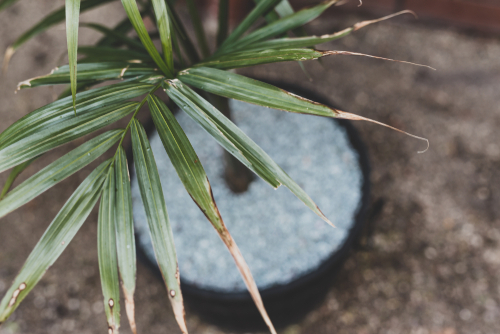
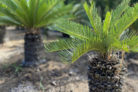
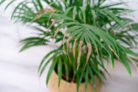
While the coconut palm is generally a pretty low-maintenance roommate, even the best plant parents run into hiccups now and then. Usually, when your palm isn’t happy, it’ll let you know by developing brown leaves. If you start seeing those crispy tips, it’s time to play detective and figure out what’s going on.
Common Culprits
The good news? Coconut palms are pretty straightforward. If they’re struggling, it’s usually down to a few specific things.
Common causes include:
- Dryness (low humidity or thirsty soil)
- Chilly temperatures
- Not enough light
- Nutrient deficiency
- Root pests
If you see brown leaves, feel free to give your plant a little haircut. Just a tip: only trim the brown parts and be careful not to cut into the healthy green tissue!
Keep it Tropical: Hydration and Humidity
Coconut palms are island vibes personified—they love tropical regions with regular rain and high humidity. Our homes, especially during the winter when the heater is blasting, can get way too dry for them. Make sure your potting mix stays consistently moist (but not soggy!). During the winter months, your palm will love you if you mist its leaves with soft water or use a humidifier.
Sunlight and Warmth
These palms crave light and warmth. That’s actually why they make such great houseplants—unlike some exotic plants that need a “cool” dormant phase, the coconut palm wants to stay cozy all year long.
The biggest challenge in the winter is light. Try to snag a spot by a south-facing window. If your place is a bit dark, don’t worry—a daylight bulb or a dedicated grow light will work wonders.
Soil and Snacks
Even though coconut palms aren’t “heavy feeders,” they still need some nutrients to stay vibrant. If yours is looking a little lackluster, a liquid fertilizer is a great quick fix because the plant can absorb it right away.
For long-term health, though, fresh soil is key. When it’s time for repotting, make sure you choose a container with plenty of room. If the roots get too cramped, the leaves will start turning brown as a protest.
Dealing with Root Pests
Here’s a sneaky one: root pests. This often happens when you bring a palm that’s been outside all summer back indoors. Critters like grubs usually go dormant in the winter, but the warmth of your living room can wake them up for a midnight snack on your plant’s roots.
If your palm starts browning shortly after moving inside and you’ve ruled out light and water, check the root ball. If you find any uninvited guests, swap out the soil immediately. Those grubs can do enough damage to kill the plant if they aren’t evicted quickly!