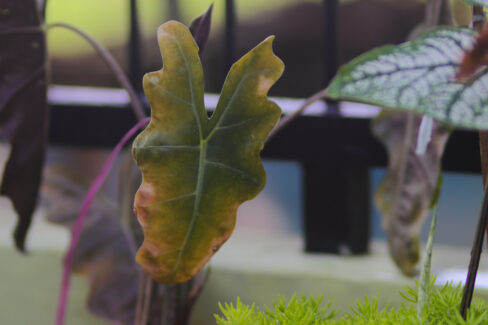
Elephant ears are generally known for being pretty low-maintenance, but there’s one big thing to keep in mind: these tropical beauties are definitely not frost-hardy. You can’t just leave them out in the garden to fend for themselves when the temperature drops. Here’s the lowdown on how to successfully overwinter your elephant ears.
The Best Way to House Your Plant
If you’ve been growing your elephant ear outdoors, you can’t leave it there year-round. Frost is the ultimate enemy here—these plants just can’t handle the cold. To keep them happy, you’ll need to move them to a protected spot like a cool greenhouse or an unheated sunroom before the first freeze hits.
In our neck of the woods, many people prefer keeping elephant ears as houseplants. It’s a great move because you can let them soak up the sun on the balcony all summer and then simply bring the pot inside once it gets chilly.
Just a heads-up, though: keeping them in a super warm room all winter can actually mess with their natural growth cycle. Try to avoid placing them right next to a blasting heater in your living room.
Winter Care Tips for Your Elephant Ear
The “sweet spot” for overwintering your elephant ear bulb is a cool room that stays between 55°F and 60°F (12°C–15°C). This helps the plant enter its natural dormant phase. You should also stop fertilizing entirely during the winter months; the goal is to let the plant rest, and adding nutrients will just confuse it.
Here’s your winter checklist:
- Keep temperatures between 55°F and 60°F.
- Make sure the room gets regular fresh air.
- Cut back significantly on watering.
Humidity is another big factor to watch out for. Only water the plant when the soil feels quite dry to the touch. Make sure to vent the room occasionally so the air doesn’t get too stagnant or dry. If the air is too parched, you might end up dealing with spider mites—and trust me, nobody wants those pesky guests on their plants!