Looking to expand your indoor jungle? You can propagate an Elephant Ear plant using a few different techniques, though some are definitely easier than others. If you want to grow your collection, here’s the lowdown on the best ways to get it done.
Here are your main options:
- Growing from seed
- Using bulb offsets (pups)
- Using leaf cuttings
Propagating with Seeds
If you’re planning to grow an Elephant Ear from scratch, your best bet is to buy seeds from a reputable garden center. This ensures they’re actually viable and ready to grow. Just a heads-up: you’re going to need a lot of patience! Because starting from seed is a bit of a project, most plant parents usually opt for one of the other methods.
Expect the seeds to take anywhere from 8 to 12 weeks just to germinate, and even then, it’ll be a while before you see a “real” plant. If you’re harvesting seeds from your own plant, make sure to dry them out first. Keep in mind that these are “dark germinators,” meaning they need to be covered with soil to sprout. Also, remember that these beauties aren’t frost-hardy, so keep them indoors or make sure you have a solid overwintering plan in place.
Propagating with Bulb Offsets
If you want the easiest, most “set-it-and-forget-it” method, go with bulb offsets (often called “pups”). If you already have a healthy Elephant Ear at home, you can usually find these little baby bulbs growing right alongside the main plant.
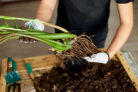
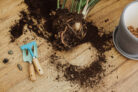
To do this, gently lift the plant out of its pot and check the soil for daughter bulbs. Carefully detach them, making sure you don’t nick or damage the main mother bulb in the process. Pop those babies into their own pots, and you’re good to go!
Propagating via Leaf Cuttings
The third way to multiply your Elephant Ear is by using leaf cuttings. For this method, you’ll want to snip off a few healthy, vibrant leaves. Stick the stems into moist potting soil and make sure to keep the substrate consistently damp.
Just a fair warning: this method requires a bit of babysitting. You’ll need to keep a close eye on the moisture levels until new growth starts to appear. Water them regularly, but don’t go overboard—if the soil stays soggy, the cuttings can easily rot or develop mold.