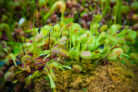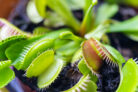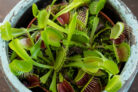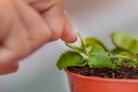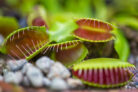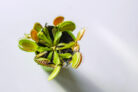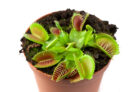
Depending on the species, your carnivorous plants might need a cozy spot indoors for the winter or, if they’re native varieties, they might be perfectly happy staying outside in the garden. Getting those winter conditions just right is the secret to keeping your bug-eaters happy, especially for the ones coming inside.
Tropical Exotics Aren’t Frost-Proof
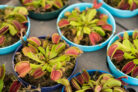
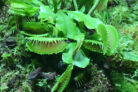
If you’ve got exotic carnivorous plants from tropical or subtropical spots—like the deep South in the U.S.—they absolutely need to come indoors when the temperature drops. Out of the roughly 1,000 species worldwide, only a handful are native to cooler climates and can handle a real winter freeze.
Exotic plants can be a bit picky about their winter digs. Here’s what they’re looking for:
- Plenty of natural light
- A spot away from chilly drafts
- A bit less water than usual
- High humidity
By cutting back on how much you water your carnivores, you’re essentially nudging them into a dormant state. However, not every plant needs this “winter nap.” Pitcher plants (Nepenthes), for example, can keep growing year-round. If you go that route, light is non-negotiable—you’ll definitely want to supplement with a good grow light to keep them from getting leggy.
Wintering Native Carnivores
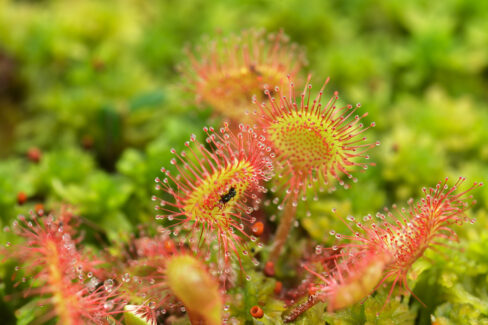
While exotic carnivores are great for natural mosquito control, native species like Butterworts and Sundews are becoming huge favorites for outdoor bog gardens.
The best part about native species? They’re low-maintenance. In late fall, just give them a light covering of brush or evergreen branches. Pro tip: try not to let the branches rest directly on the plants. This is super important for delicate guys like Sundews, as the weight can damage their leaves.
Once early spring rolls around, you can clear the brush away. Don’t sweat it if there’s a light frost in the fall or spring when they aren’t covered—native carnivores are pretty tough and can usually handle a little nip in the air.
Spring Repotting
For the plants that spent the winter inside, spring is the perfect time to repot them. Even though carnivorous plants can be a little high-maintenance in other areas, they’re actually really easy when it comes to feeding. You don’t need fancy fertilizers; fresh substrate once a year provides all the nutrients they need.
For your outdoor bog plants, just work a little fresh peat-based soil (specifically for bog plants) into the ground once the frost clears in the spring. This gives them a nice nutrient boost to kickstart their growing season.