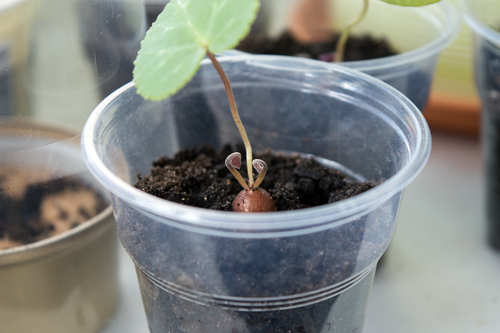
Elephant Ears come in a few different varieties, and depending on which one you have, the characteristics of the plant and its tuber can vary quite a bit. Here’s the lowdown on what makes these plants special and what you need to keep in mind when planting and caring for them.
Are Elephant Ear tubers edible?
The tuber of the Elephant Ear is the powerhouse behind the plant’s impressive growth. But it’s not just for show—in some cases, those tubers are actually edible! Whether or not you can eat them depends entirely on the specific species you’re growing. If you’ve got *Colocasia esculenta* in your garden, you’re in luck.
Botanically speaking, *Colocasia esculenta* belongs to the Arum family and originally hails from Asia. In its native regions, the tuber is a staple food. Much like we use potatoes in the West, these tubers are prized for their high starch content. They’re usually boiled or fried and incorporated into all sorts of delicious dishes.
Another variety, *Xanthosoma sagittifolium*, also belongs to the Arum family. With this one, it’s actually the long leaves that are the stars of the kitchen. They can grow up to a foot and a half long and are used as a leafy green vegetable. This species originally comes from Suriname, where it’s prepared very similarly to spinach.
Planting your tubers in the right spot
To make sure your Elephant Ear tuber really thrives, you’ve got to give it the right environment. That means picking the perfect spot and staying on top of its care. Here’s what you need to provide when you’re getting your plant started:
Keep these conditions in mind:
- A bright, sunny spot
- Moderately moist soil (make sure it drains well—no soggy feet!)
- Nutrient-rich soil or substrate
You can definitely keep these as houseplants. If you do, just be careful during the winter—don’t keep them in a room that’s too warm, or you might mess with the plant’s natural growth cycle. A greenhouse or a sunroom is a great place for them to overwinter. And the best part? Once you have a healthy plant, it’s super easy to propagate more from the tuber!