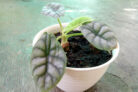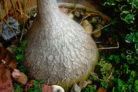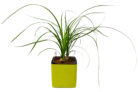
The term “Elephant Ear” gets tossed around for a few different plants, and it’s easy to see why—those oversized, floppy leaves are a total showstopper! In this post, we’ll dive into which species actually go by this name and why they’ve become such a staple for indoor gardeners. Plus, if you give yours a little extra TLC, you might even be rewarded with a beautiful bloom.
Common Varieties of Elephant Ears
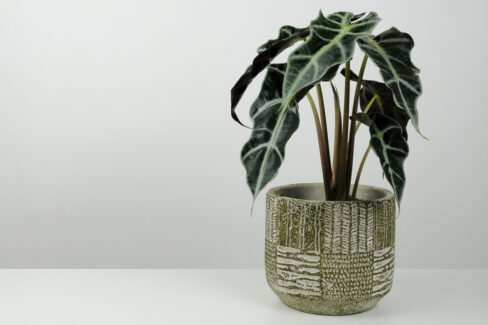
When you hear “Elephant Ear,” it could refer to a few different things. Often, people are talking about members of the Aroid family, like the massive *Alocasia* (Giant Taro). However, you might also see succulents like *Kalanchoe beharensis* sold under the same name. Most of the time, though, people are referring to the *Haemanthus albiflos* (White Blood Lily). It’s a good idea to double-check exactly which one you have so you can master its specific care needs and maybe even try your hand at propagating your Elephant Ear.
Since most of these varieties hail from tropical or warmer climates, they aren’t big fans of a frosty winter. That’s why they’re usually kept as houseplants. If you prefer to keep yours outside, your best bet is to plant the bulb in a container so you can easily move it to a cozy spot indoors once the temperature drops.
How to Keep Your Plant Happy and Healthy
Elephant Ears are generally known for being pretty low-maintenance, but they do have a few “must-haves” to really thrive. If you want to see that lush growth (and hopefully a flower!), keep these tips in mind. Follow these simple steps, and your plant will be a happy camper for years to come.
Here’s what your Elephant Ear needs:
- Plenty of bright, natural sunlight
- Consistently moist soil (but never soggy!)
- Regular nutrients/fertilizer
- A proper spot to overwinter when it gets cold
When you’re potting your Elephant Ear, make sure to use a loose, well-draining potting mix. This gives the bulb plenty of room to settle in and ensures that water can flow through freely. These plants hate “wet feet,” and standing water can lead to root rot pretty quickly. To keep things safe, only reach for the watering can when the top layer of soil feels dry to the touch.