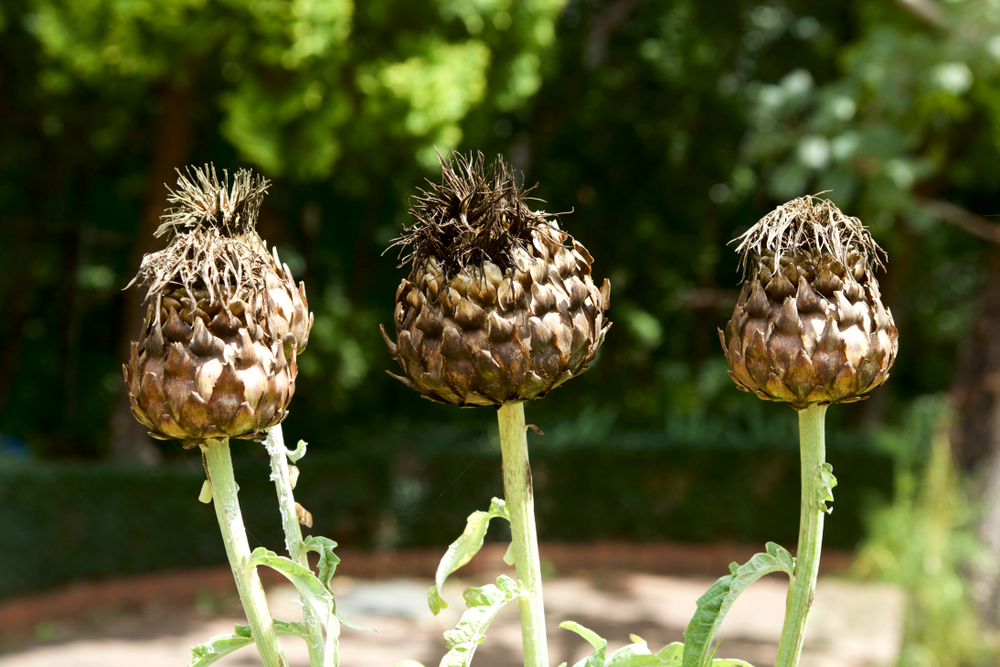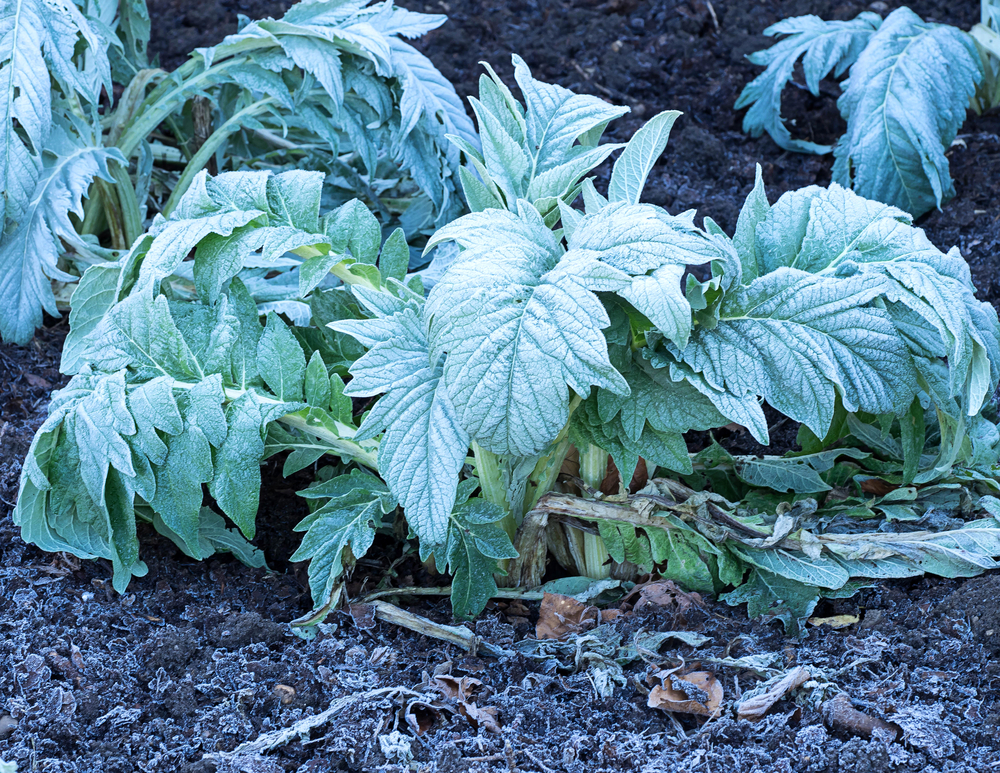
Artichokes are originally from the Mediterranean, which means they aren’t exactly used to freezing temperatures and harsh winters. However, you can still help them survive the cold season in your own backyard as long as you give them a little extra protection. Here’s how to get it done.
Helping Your Artichokes Brave the Frost
Left to their own devices, artichokes wouldn’t stand a chance in our winters. But with the right setup, they’ll pull through just fine. Start by mixing some sand with leaves, straw, and a bit of manure in a bucket. Next, clear away any old flower stalks and dead foliage, then prune the healthy leaves down to about two inches above the ground.
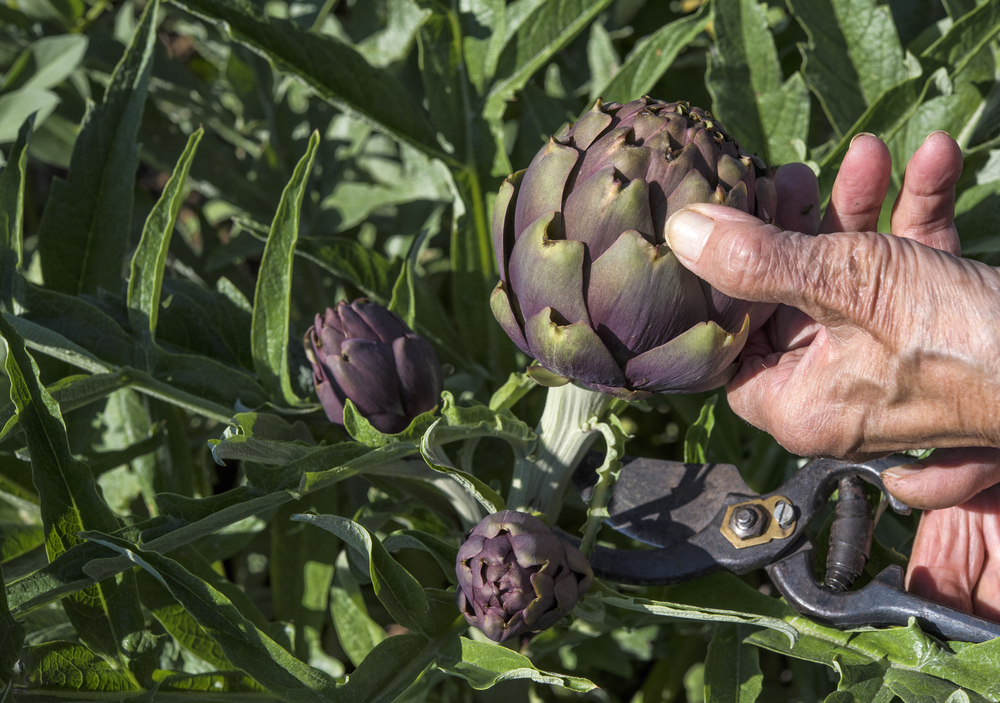
Make sure you’re using a sharp pair of garden shears for a clean cut. Once pruned, pile your sand-and-straw mixture around the plant in a layer about eight inches thick. To top it off, add about a foot of brushwood or evergreen branches for extra insulation.
Digging Up Artichokes for Extra-Harsh Winters
If the forecast is calling for a truly brutal winter, you might want to play it safe and dig your artichokes up entirely. Just like before, start by removing the old flowers and leaves. Then, use a spade to dig the plant out. You’ll need to dig pretty deep—artichoke roots really like to stretch down into the soil.
Try to keep as much of the root system intact as possible; losing too much of the root will just weaken the plant unnecessarily. Place the root ball in a pot filled with sand and keep it somewhere around 60°F (15°C). Once the danger of frost has passed in the spring, you can move them back out into the garden.
Keep in mind that you’ll need to water the roots occasionally so they don’t dry out. Digging them up and replanting is definitely stressful for the plant, so I’d only recommend this option if it’s absolutely necessary. Otherwise, a good layer of winter mulch should do the trick!