When autumn rolls around, the to-do list in the garden starts getting pretty long. Usually, that means grabbing the shears and cutting back everything in sight. But here’s a pro tip: put the pruners down when it comes to your ornamental grasses! To make sure your grasses come back lush and healthy next year, there are a few things you should know about winter care.
The Natural Shield of Old Stems and Leaves
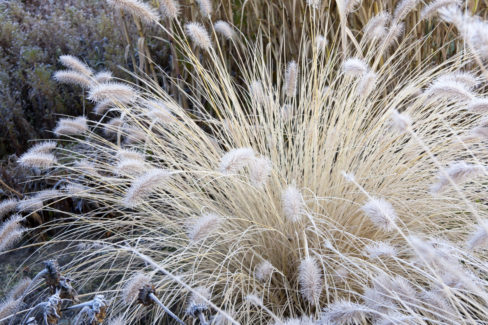
Most ornamental grasses are actually pretty sensitive to “wet feet.” If the soil gets too soggy over the winter, the roots can quickly start to rot. By leaving the stems and leaves standing during the cold months, you’re giving the plant a natural umbrella. Rainwater runs off the outer foliage instead of soaking directly into the crown, keeping the root system safe and dry.
Some Varieties Need a Little Extra Love
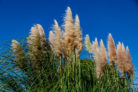
If you wait until February or March to cut them back, most grasses will do just fine on their own. However, some of the taller, showier varieties like Pampas Grass (*Cortaderia selloana*) or Giant Reed (*Arundo donax*) need a bit more help. For these big guys, it’s a good idea to bundle the stems together with some twine before the first freeze. It also helps to mulch the base of the plant to protect the roots. You can use:
- Mature compost
- Fallen leaves
- Evergreen brush or twigs
Don’t Forget Your Potted Grasses
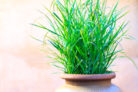
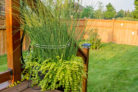
If you’re growing ornamental grasses in containers on your balcony or patio, they’re going to need a little extra insulation. Since the roots in a pot are much more exposed to the cold than those in the ground, try moving the containers up against a house wall for warmth. Wrap the pots in burlap, garden fleece, or even an old blanket to keep the frost out. And since the eaves of the house might block the rain, don’t forget to give them a little water every now and then!
Quick Tip: Once spring arrives, that’s your time to shine with the shears. Aim to do your pruning in February or March—this gives the new shoots plenty of room and light to grow in strong for the new season.