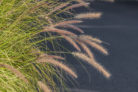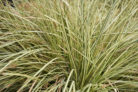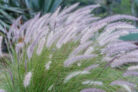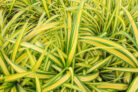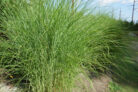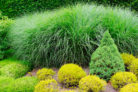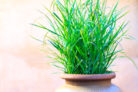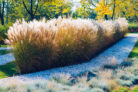
When it comes to pruning, we usually think of fall as the big cleanup season. But if you’ve got ornamental grasses in your yard, put those shears away! Unlike many other perennials, these grasses actually need their stalks to stay intact to survive the winter. You’ll want to wait until spring before you start cutting.
Watch Out for Winter Moisture
The main reason we leave ornamental grasses standing through the winter is the rain and snow. During the colder months, the ground can get pretty soggy. The root systems of most ornamental grasses aren’t built to handle that much standing water; if they get too wet, they’ll rot right out. Cutting them back in late fall opens up the stems and lets water settle into the crown, which is a recipe for disaster. Instead, the best time to prune is actually in February or March.
How to Get the Job Done
Getting the timing right is half the battle, but you also want to make sure you’re using the right technique. Here’s a quick step-by-step for a clean cut:
- Grab the grass in manageable bunches or bundles.
- Cut the stalks about four to six inches (10–15 cm) above the ground.
- Clear away any dead or dried-out leaves from what’s left of the base.
A quick pro-tip: Wear a sturdy pair of gardening gloves! Some grass blades are surprisingly sharp and can give you a nasty papercut-style slice. As long as your grass looks healthy and isn’t showing signs of pests or disease, you can toss the clippings right into your compost pile. Just make sure your shears or loppers are nice and sharp, as those stalks can get pretty woody and tough over the winter.
A Few Extra Tips
Keep in mind that not every grass wants a “buzz cut.” Varieties like Feather Grass, Bearskin Fescue, or Blue Fescue do much better if you simply “comb” through them with your hands to pull out the dead bits rather than cutting them down.
To help your grass bounce back after its haircut, it’s a great idea to fertilize immediately after pruning. This is also the perfect window to dig up the plant if you’re looking to propagate by dividing it. Dividing isn’t just for making new plants, though—it’s actually a fantastic way to rejuvenate older grasses that might be looking a little tired in the center. It’s like a natural fountain of youth for your garden!