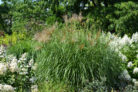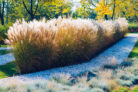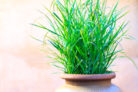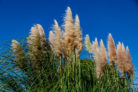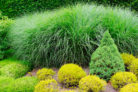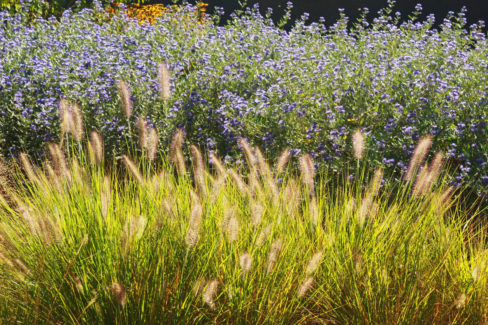
Ornamental grasses are a total favorite for home gardeners, mostly because they’re so incredibly low-maintenance. The secret to keeping them happy is simple: pick the right spot from the start and give them plenty of time to get their roots established. To get the best results, you’ll want to get a head start early in the season.
Make the Most of Early Spring
February and March are usually pretty quiet months in the garden. While we’re often stuck waiting for the last frost in May before we can put most plants in the ground, ornamental grasses are actually ready to go much earlier. This is the perfect window for planting, provided you’re using established nursery plants rather than starting from scratch. I generally recommend skipping the seeds—growing these beauties from seed can be a real headache, so sticking with potted plants is definitely the way to go.
Find a Sunny Spot
Whether you’ve picked up a new plant at the garden center or you’re dividing an old favorite, lighting is everything. Most ornamental grasses originally come from open meadows and steppes, so they’re used to soaking up a ton of daily sunshine. Make sure you pick a bright, sunny spot in your yard. If your garden is mostly trees and eaves, don’t worry—just make sure you specifically choose a variety that thrives in the shade.
The Right Soil
Next up is the soil. Most ornamental grasses actually prefer “lean” soil, meaning they don’t need a lot of rich organic matter and require very little fertilizer. Instead of worrying about nutrients, focus on these three soil qualities:
- Excellent drainage
- Low lime content
- A sandy or gravelly texture
Drainage is the absolute deal-breaker here. This is especially important during those soggy winter months. If the roots are sitting in stagnant water, they’ll rot pretty quickly, which is usually game over for the plant. Keep it well-drained, and your grasses will thank you!