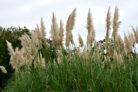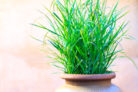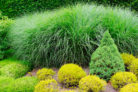
Ornamental grasses aren’t just a favorite for their stunning looks; most home gardeners love them because they are incredibly low-maintenance. This “easy-going” attitude extends to their feeding habits, too. While they generally don’t need much, a little nutritional boost can sometimes be just what the doctor ordered.
Used to Lean Soils
Most ornamental grasses actually hail from steppes or regions with pretty poor, sandy soil. Because of their roots (literally!), they don’t need a ton of nutrients to thrive. In fact, fertilizing them too often can actually do more harm than good.
When to Step In
That being said, keep an eye out for warning signs. If your grass starts turning yellow even though the soil is moist, you might be looking at a nutrient deficiency. The same goes for plants that seem prone to disease or just aren’t growing as tall as they should. If you notice these issues, it’s time to reach for some fertilizer.
Go Natural
The good news is that you can usually fix these problems without resorting to harsh chemicals. I always recommend improving your soil naturally. Some of the best options include:
- Compost
- Humus
- Organic liquid manures (like compost tea)
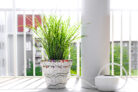
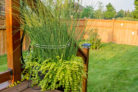
Now, if you’re growing ornamental grasses indoors, a standard liquid fertilizer mixed into your watering can works best. For potted grasses outside, the best “fertilizer” is actually just repotting them regularly with fresh, high-quality potting soil rather than over-fertilizing the old dirt.
Less is More
No matter what kind of fertilizer you choose, remember the golden rule: when in doubt, use less. If you’re using liquid fertilizer, I suggest using only half of the dosage recommended on the label. If you overdo it, your grass might shoot up too quickly, resulting in weak, floppy stems that can’t support themselves. Keep it lean and mean for the best results!