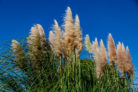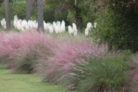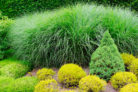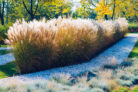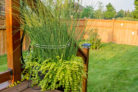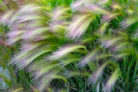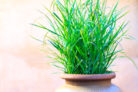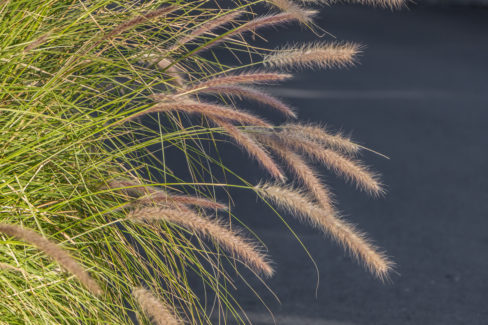
Technically speaking, ornamental grasses don’t *have* to be pruned. In the wild, the old growth eventually dies back and gets pushed aside by fresh new shoots. However, let’s be honest: during that transition phase, they don’t exactly look “ornamental.” But before you grab your shears, you’ll want to hold off for a bit.
Skip the Fall Pruning
While autumn is the go-to time for a radical pruning of many garden plants, you should leave your ornamental grasses alone for now. There’s a good reason for this: the plant actually uses those dead stalks and leaves as a built-in winter coat to protect itself from the elements.
The Moisture Menace
Ornamental grasses can be a bit finicky when it comes to “wet feet.” Winter often brings a lot of rain and snow, and if you cut the grass back too early, there’s nothing to shield the root crown. Without that natural umbrella of old foliage, water can settle right into the center of the plant, causing the roots to rot in the soggy soil. To ensure your grass survives the winter, it’s vital to keep those stalks and leaves intact.
More Reasons to Wait
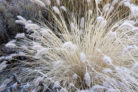
Beyond protecting the plant itself, there are plenty of other perks to leaving your grasses standing. Those dried leaves and stems provide a cozy winter habitat for beneficial insects and birds. Plus, many ornamental grasses dry out in a really beautiful way. They add texture and visual interest to an otherwise dreary, gray winter landscape when the rest of your flower beds are looking pretty empty.
Get Moving in Early Spring
If you’ve let your grasses stand all winter, the best time to finally give them a haircut is in February or early March. Cutting them back then gives the new green shoots plenty of room and sunlight to emerge. As long as you don’t see any signs of pests or disease, you can toss the clippings right into your compost pile.
To recap, here is why you should wait until next year to prune your ornamental grass:
- It protects the root crown from excessive moisture and rot.
- It provides visual interest in the winter garden.
- It offers a winter refuge for birds and helpful insects.