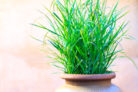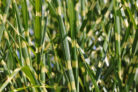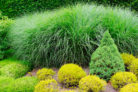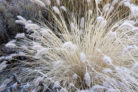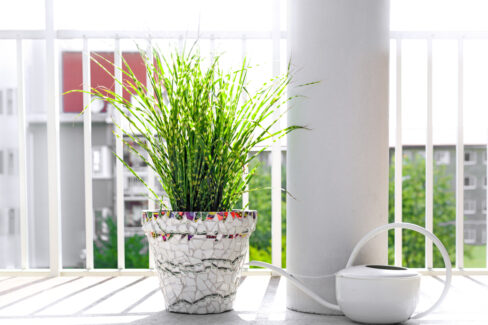
Finding a privacy screen for your balcony that’s both beautiful and low-maintenance can be a real challenge. If you’re looking for a stylish alternative to plastic dividers, Miscanthus (commonly known as Chinese Silver Grass) is a fantastic choice that’s surprisingly easy to grow in containers.
The Best Spot
Miscanthus absolutely loves the sun, making it a perfect match for south-facing balconies. It’s a lifesaver during those midday hours when the sun is at its peak. One of the coolest perks? This grass actually improves your balcony’s microclimate. On those scorching summer days, a “living” privacy screen helps keep the surrounding temperature much more bearable. Don’t worry if your spot isn’t perfectly sunny, though—it can still hold its own in areas with a bit less light.
The Right Soil
In the wild, Miscanthus is a waterside plant, so it prefers soil that stays moderately moist. When you’re planting it in a pot, it’s a smart move to mix in some water-retaining materials like expanded clay pebbles or lava rock.
This grass thrives in rich, nutrient-dense soil. If you put it in sandy soil with low nitrogen, it’ll likely look a bit sparse and sad. Even though it loves moisture, it hates “wet feet” (standing water). To prevent root rot, always start with a few inches of drainage material—like clay granules—at the very bottom of your container.
Watering Tips
When growing Miscanthus in a balcony pot, consistency is key. You want the soil to stay damp but never soggy. If the water sits for too long, you run the risk of rot-causing bacteria moving in and damaging the root system.
Technically, you can even grow Miscanthus in a small balcony pond or water feature, but you’ll need to ensure the water stays fresh and well-oxygenated to keep those roots healthy.
Winter Care
For the most part, Miscanthus is quite hardy. However, since container plants are more vulnerable to freezing than those in the ground, you’ll want to protect the pot from extreme frost to keep the roots safe. A big pro-tip: don’t cut the stalks back in the fall! Those dried blades actually act as a natural winter coat for the plant. Wait until the frost is gone in the spring to trim away the old growth and get ready for a new season.