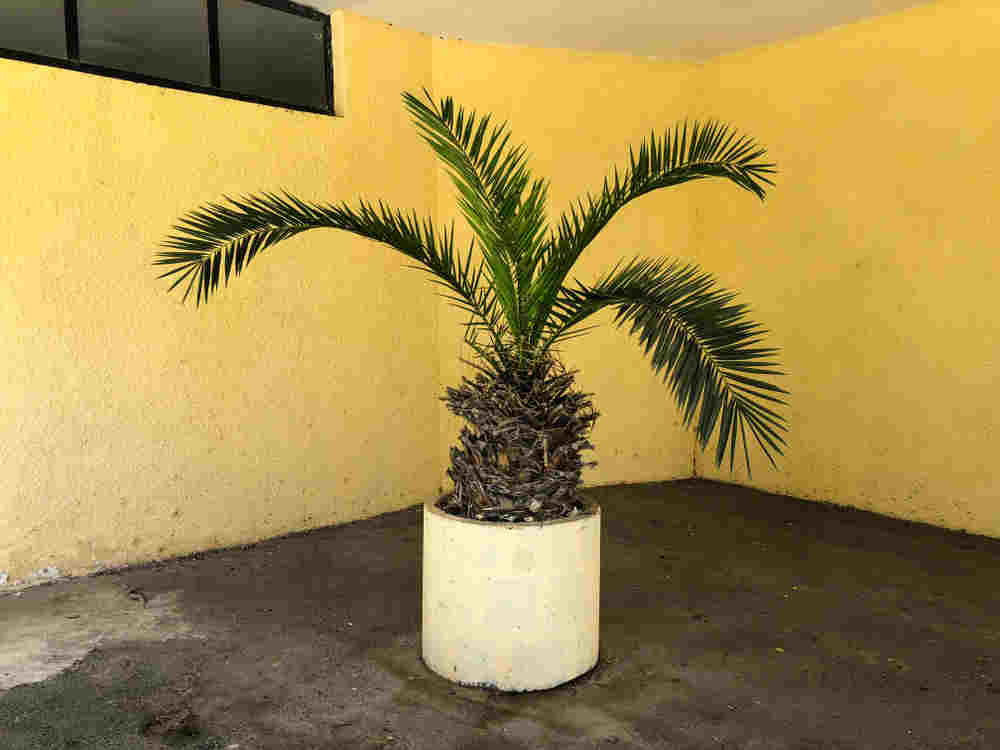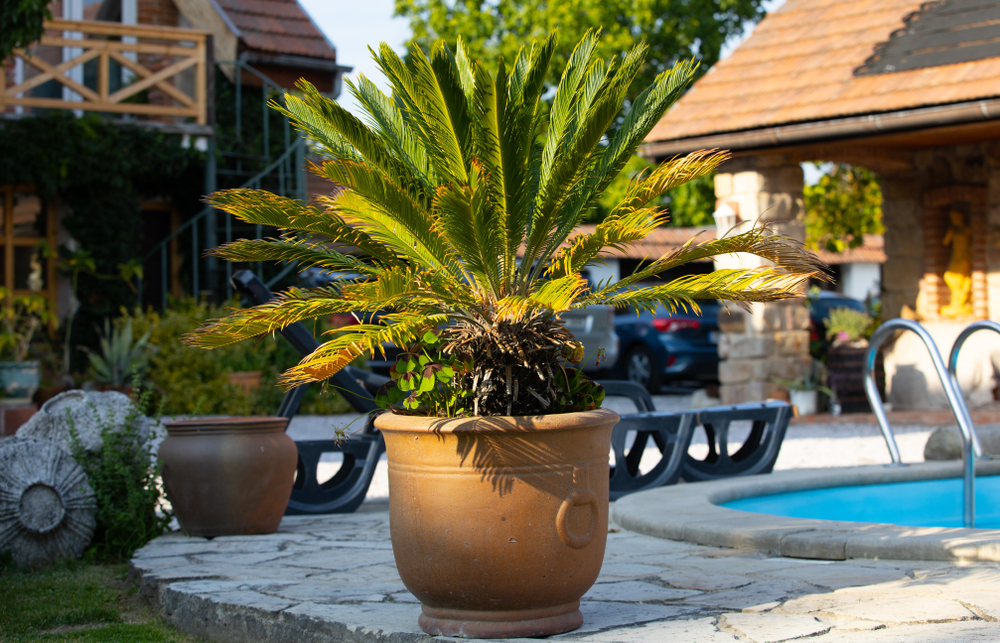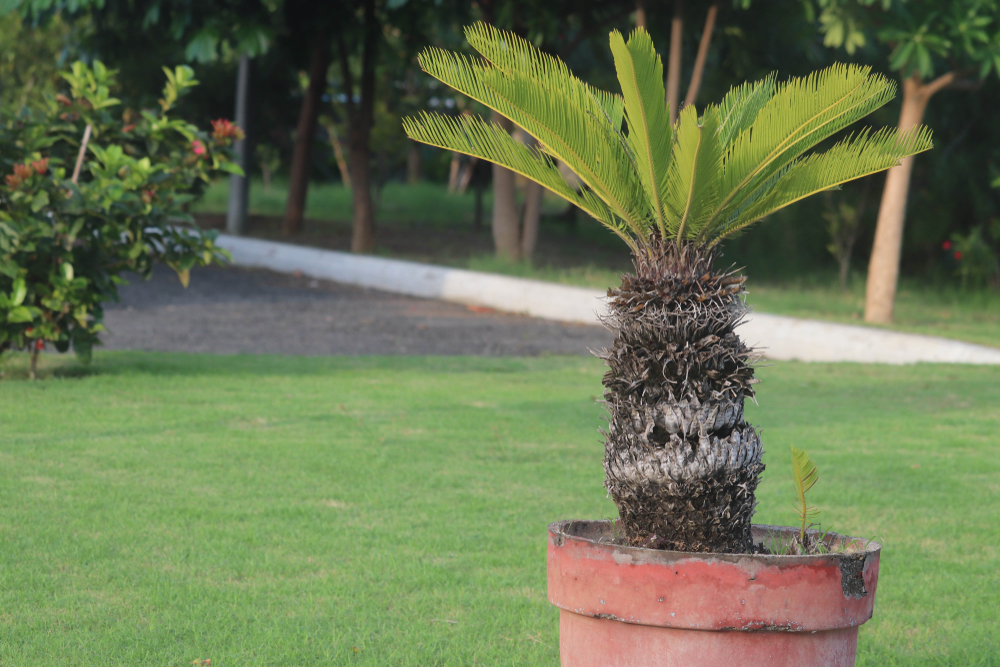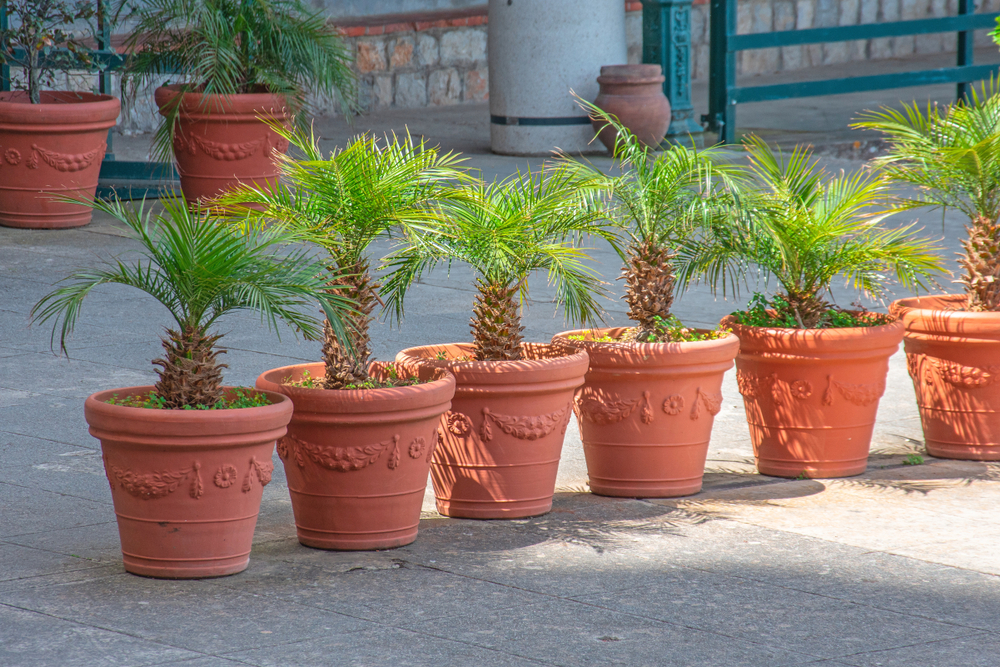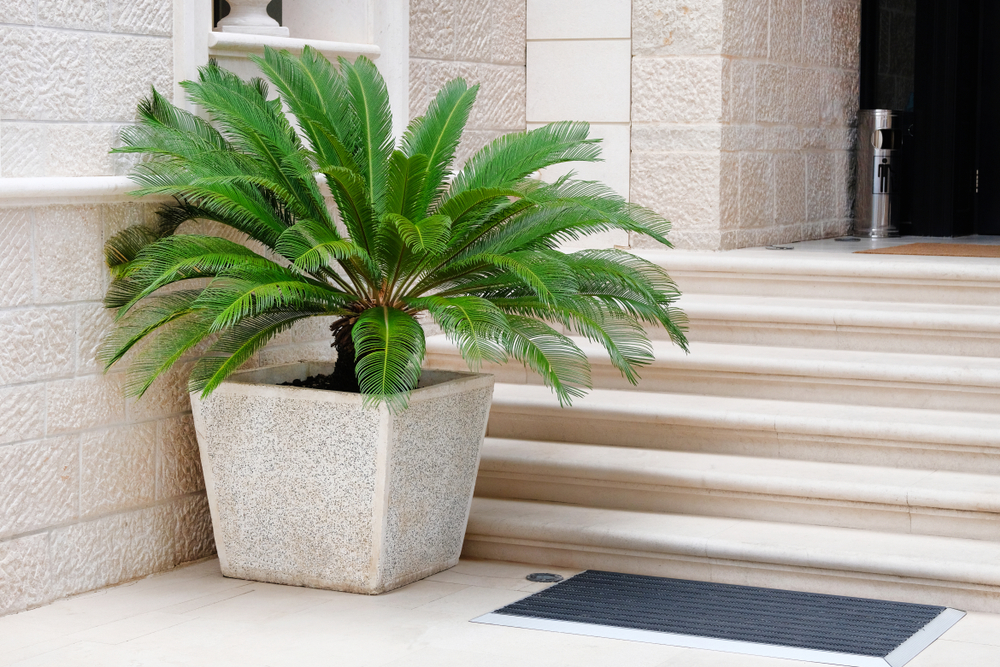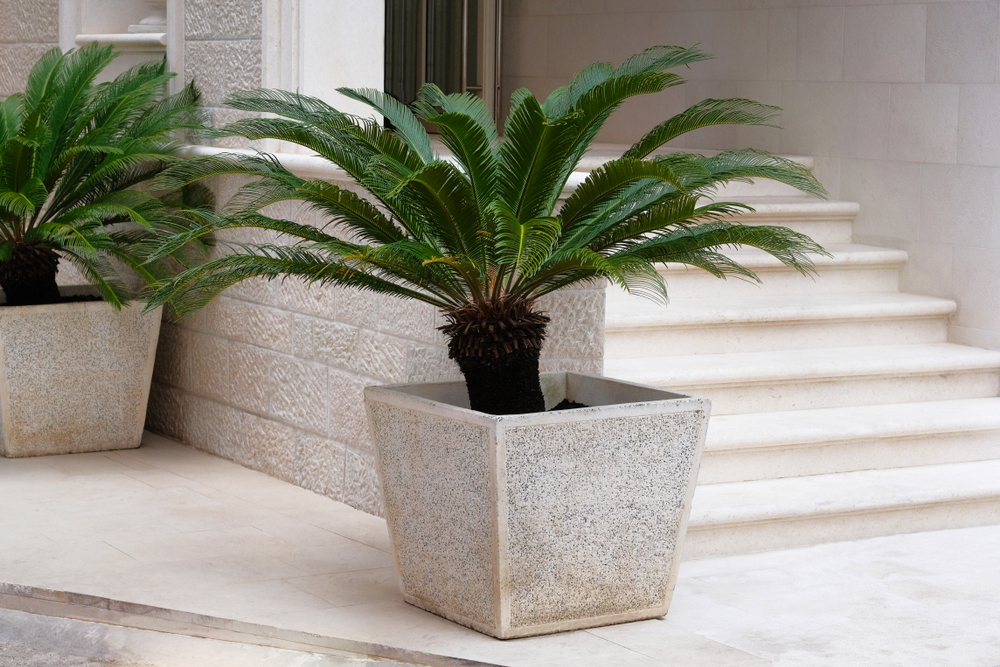
The Canary Island Date Palm actually hails from—you guessed it—the Canary Islands, though you’ll find them more often these days as a favorite guest on patios and in sunrooms. During the warm summer months, they’re perfectly happy soaking up the sun outdoors. However, once the chilly weather hits, they prefer to be tucked away safely indoors since they aren’t exactly fans of a hard freeze.
Protecting Your Canary Island Date Palm in Winter
Since these palms can only handle temperatures down to about 21°F (-6°C), it’s much safer to overwinter them somewhere mild, ideally around 60°F (15°C). Some great spots for your palm to spend the winter include:
- A bright hallway or foyer
- A frost-free greenhouse
- A garden shed or outbuilding
- A garage with plenty of light
- A cool sunroom or conservatory
The perfect winter home for your palm should be bright but away from direct, scorching sun, protected from drafts, and on the cooler side. You’ll want to keep the humidity at a moderate level. If your chosen spot is a bit too dark, a grow light can work wonders. If the air gets too dry, try misting the palm regularly or setting out water trays to boost evaporation. A humidifier is also a great “set it and forget it” option to keep the moisture levels just right.
If you don’t have a cool spot available, your date palm can stay in your main living area. Just keep an eye on the humidity if the heater is running full blast, and keep up with your regular watering. You can scale back the fertilizer to a half-dose once every six weeks.
Overwintering Outdoors
While these palms are somewhat hardy and can survive a brief dip to 21°F, they really prefer to be protected as soon as autumn temperatures start hitting the low 50s. If you’re keeping it outside, find a sheltered, draft-free spot in partial shade.
To keep the roots from freezing, prop the pot up on a thick piece of Styrofoam or a wooden pallet. You can wrap the pot itself in bubble wrap or burlap for extra insulation. For the fronds, a fleece plant cover is a lifesaver. Look for the ones with a drawstring and a zipper—it makes it super easy to peek inside and check if the soil needs water. You’ll only need to water occasionally to ensure the root ball doesn’t completely dry out, and you can skip the fertilizer entirely until spring returns.