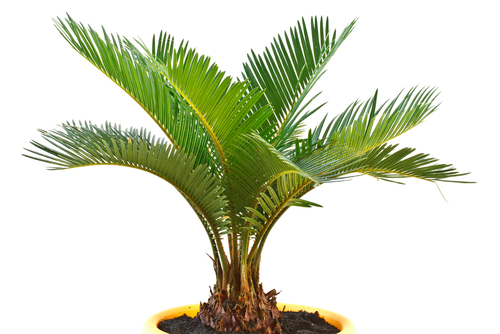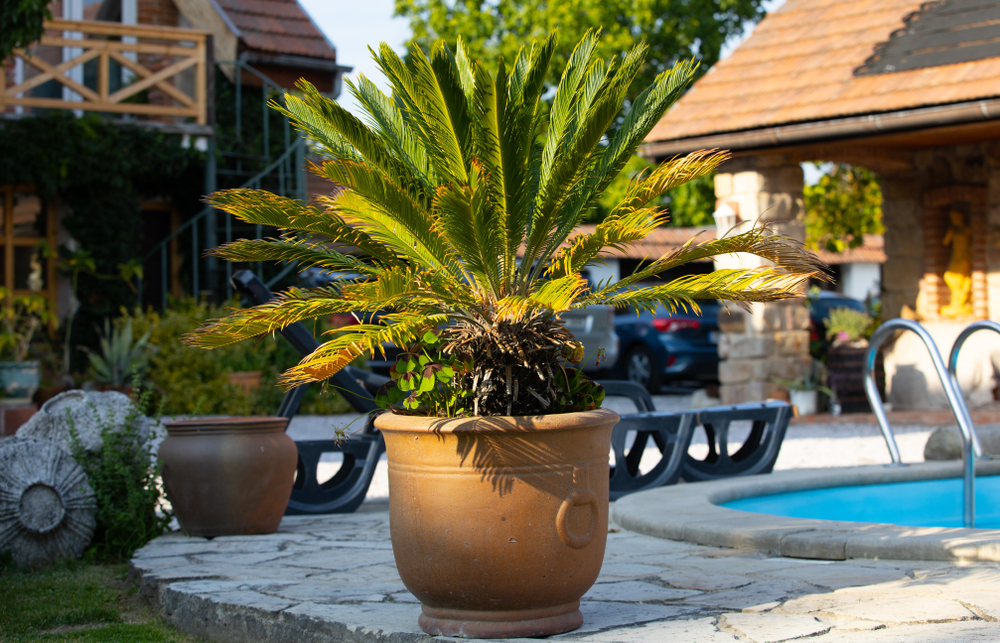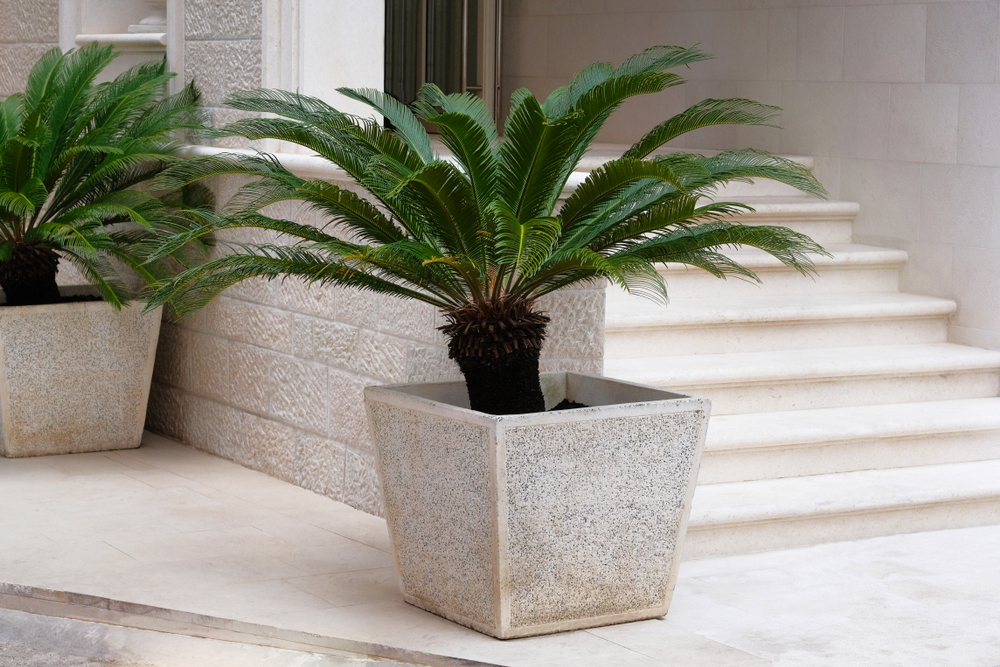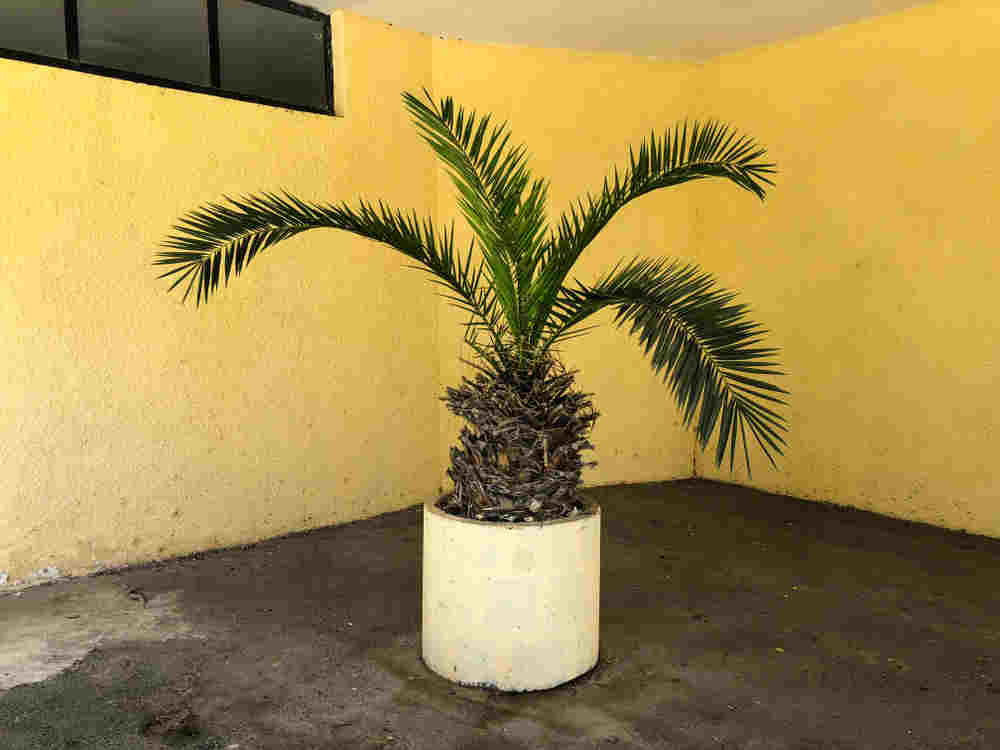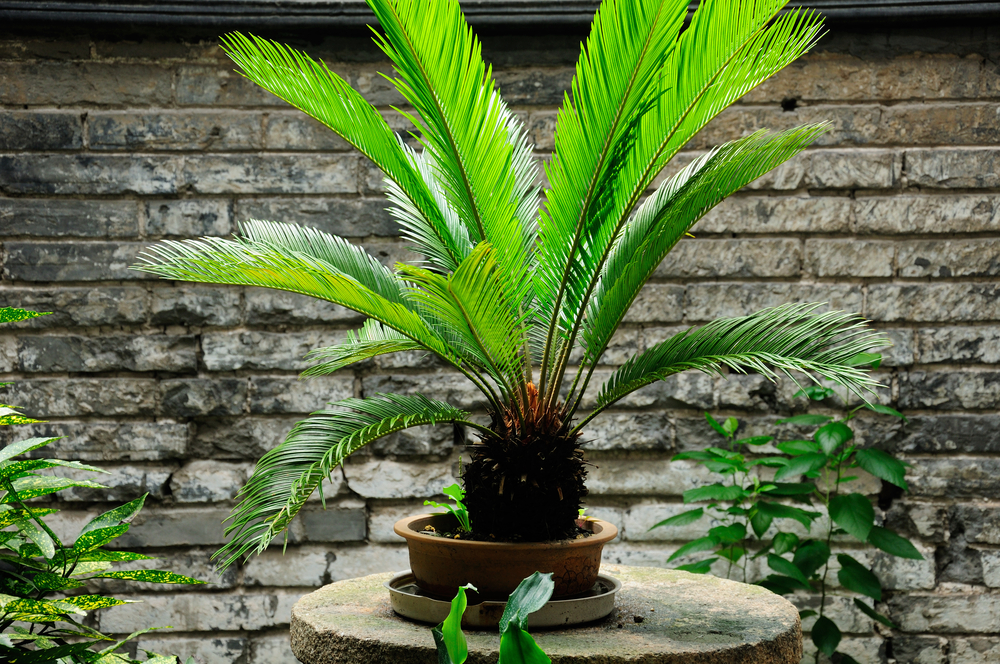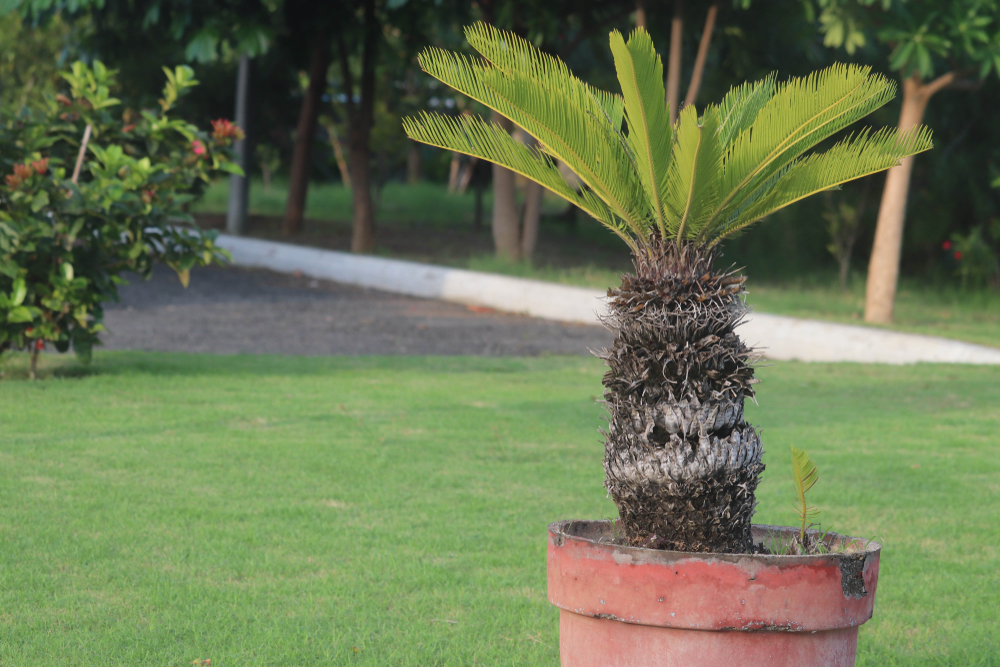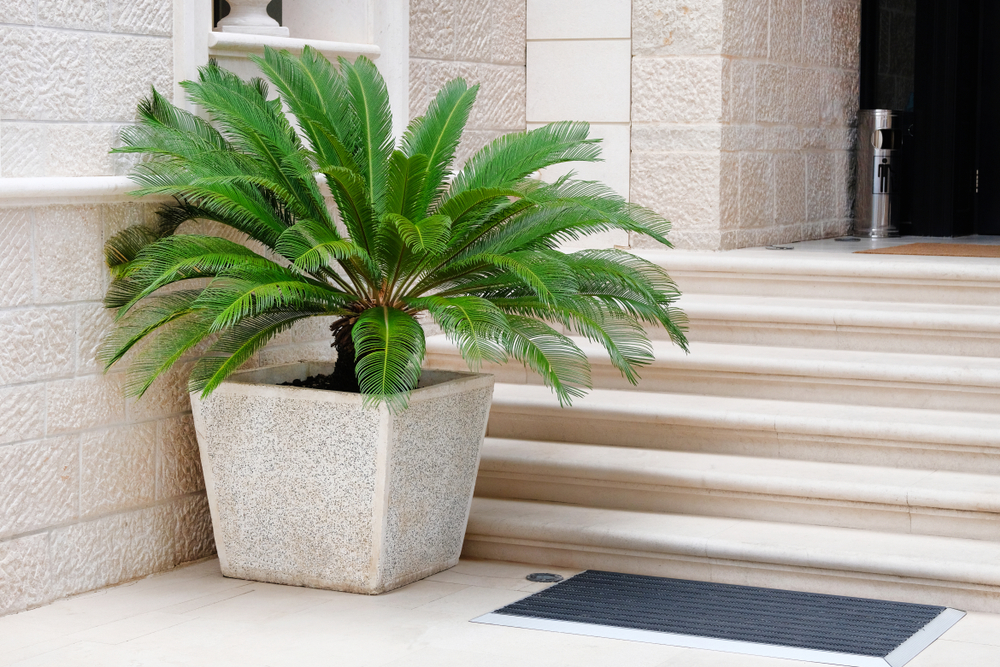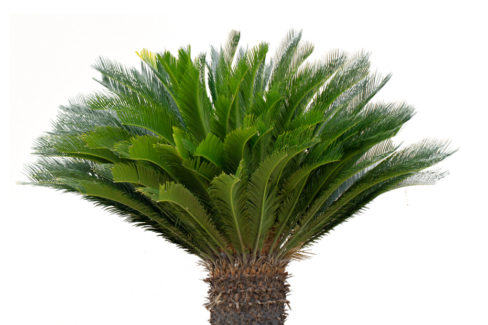
The Canary Island Date Palm is a total showstopper and a huge favorite for adding those tropical vibes to any space. Back home in the Canary Islands, they rarely deal with frost, so if you’re growing one in our neck of the woods, you’ve got to give it some extra TLC when the mercury drops.
Where should your Date Palm spend the winter?
Since these palms hail from warmer climates, they aren’t exactly “winter warriors.” They can handle a quick dip down to about 23°F (-5°C), but if it gets any colder than that, they’re going to need some serious protection.
If you live in a super mild area, your palm might be able to stay outside year-round. Just make sure it’s in a bright, airy spot that’s shielded from harsh winds and drafts. You really don’t want those winter temps hanging out below freezing for long.
But don’t worry—even if you live somewhere with brutal winters, you can still enjoy that palm tree flair! Once spring temperatures stay consistently above 50°F (10°C), you can move your palm outside until the fall. Just remember to introduce it to the outdoor light and air gradually so it doesn’t get “sunburned” or stressed.
When winter rolls back around, here’s your game plan:
- Pick a bright room for overwintering, like a cool sunroom or a well-lit hallway.
- Keep it away from drafty windows or doors.
- Aim for an ideal temperature between 43°F and 54°F (6-12°C).
- Skip the fertilizer during the winter—your palm is taking a break!
- Cut back on the watering.
Winter Care Tips
Once you’ve found the perfect winter home for your palm, the maintenance is actually pretty low-key. This “dormant” period is when the plant recharges its batteries so it can push out lush new growth in the spring. This rest phase is key for a healthy, vibrant palm.
Even though your palm is basically taking a long nap, it still needs a little water. Just be stingy with it—only water when the soil feels dry to the touch. You should also do a quick “pest check” about once a week. Keep an eye out for spider mites; they love palms! You’ll know they’re there if you see tiny, fine webs between the fronds (the mites themselves are usually too small to see with the naked eye).
If you spot them, a simple mix of water, a little dish soap, and a splash of neem oil sprayed on the leaves usually does the trick.