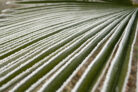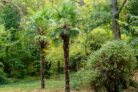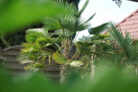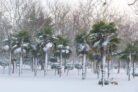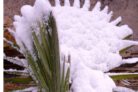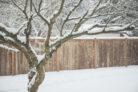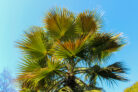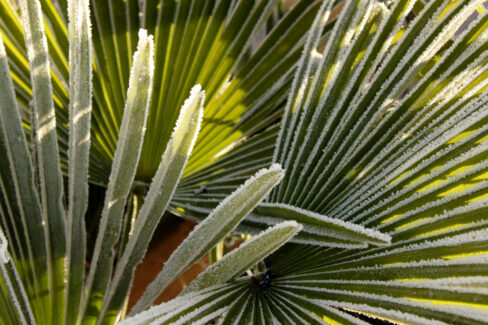
The hardy Windmill Palm is a total showstopper in the garden during the summer months. But don’t let its “hardy” reputation fool you—it still needs a little extra TLC to survive the winter without damage. While these palms can technically handle temperatures as low as 0°F (-18°C), they absolutely hate “wet cold.” Damp, freezing conditions are usually what cause the most trouble.
How to Spot Frost Damage
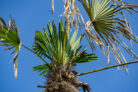
If you head out to your garden after winter and notice your Windmill Palm has brown leaves or crispy brown tips, you’re almost certainly looking at frost damage. The good news? As long as the damage is just on the outer fronds and hasn’t reached the “heart” (the center growth point) of the palm, your plant will likely be just fine. You can simply trim those brown leaves away. However, if the heart of the palm is mushy or frozen, the plant unfortunately might not make it.
Preventing Frost Damage Before It Starts
To keep your palm looking its best, you’ll want to bundle it up for the winter. Even though these palms hail from the highlands of China and are used to the cold, the combination of ice and moisture is their Achilles’ heel. Start by mulching around the base of the plant with brushwood or evergreen branches. If your palm is in a container, wrap the pot in insulating materials like:
- Burlap
- Garden fleece/frost blankets
- Coconut fiber mats
You should also use burlap or frost cloth to wrap the upper parts of the plant. If you have potted Windmill Palms, move them to a spot shielded from wind and rain for that extra layer of protection.
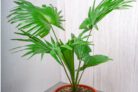
Pro tip: If you’re growing your palm in a pot, don’t leave it outside if the temperature drops below 20°F (-6°C). At that point, it’s much safer to move it into a bright, cool hallway or an unheated garage where it stays chilly but stays above freezing.
The Right Way to Prune Brown Leaves
If you do end up with some frost-burned leaves, grab a sharp pair of pruning shears. Wait until the leaf is completely dried out before you snip. Here’s the trick: don’t cut it flush against the trunk! Leave about a two-inch (4 cm) stub of the leaf stem on the plant. The palm can actually still draw some nutrients from that remaining bit. Cutting too close to the trunk can stress the tree out even more.