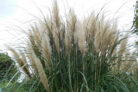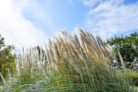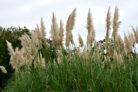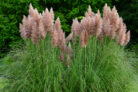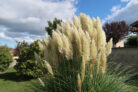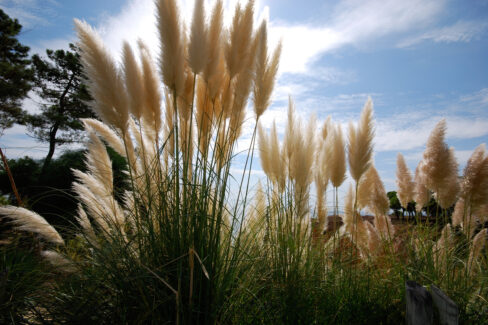
Exotic plants often get a bad rap for being high-maintenance, mostly because they struggle to adapt to our chilly winters. Usually, that means you’re stuck digging them up every fall just to keep them alive. But here’s some good news: even though Pampas grass hails from South America, it’s actually much tougher than you’d think! While it is pretty low-maintenance, it still needs a little TLC to make it through the frostier months.
Freezing Temps? No Sweat!
Once Pampas grass is established, it forms a super hardy root clump that can handle sustained freezing temperatures without much drama. The only real exceptions are very young plants or Pampas grass grown in pots. Since container roots are way more exposed to the cold than those in the ground, you’ll want to give them some extra protection. Move your pots close to the house wall, set them on a wooden board or a piece of Styrofoam to insulate them from the frozen ground, and wrap the pot itself. You can use:
- Garden fleece
- Burlap or plastic wrap
- Old blankets
- Pine branches
The Real Enemy: Winter Wetness
While the cold doesn’t usually bother Pampas grass, “wet feet” definitely does. Soggy, cold soil is a recipe for root rot, which can unfortunately kill the whole plant. To keep the center of the plant dry during rainy or snowy stretches, whatever you do, don’t prune it in the fall! Instead, you should tie the stalks together in a bundle. This creates a natural “teepee” that lets water slide right off the sides rather than soaking into the heart of the plant.
Safety First: Dress for the Job
Since you’ll be prepping for winter in the fall, you’ll probably already be wearing long sleeves—which is a good thing! Pampas grass blades are notoriously sharp and can give you a nasty “paper cut” if you aren’t careful. Make sure to wear a sturdy pair of gardening gloves when you’re tying things up. You’ll want those same gloves handy in the spring when you untie the bundles and finally give the grass its annual trim.