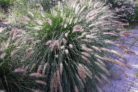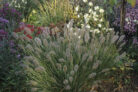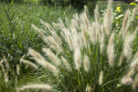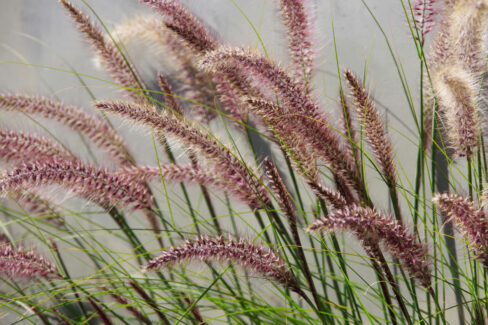
Even in the dead of winter, fountain grass (Pennisetum) looks absolutely stunning and adds a touch of drama to your landscape. While these grasses are generally pretty tough when it comes to frost, a little extra TLC during the colder months goes a long way in making sure they bounce back in the spring.
How to Winterize Fountain Grass in the Ground
When picking the perfect spot for your fountain grass, try to find a sunny area that’s also sheltered, like near a garden wall or the side of your house. Even though most varieties are considered hardy, they can still succumb to extreme cold if they aren’t protected. If your grass is out in the open, here are a few ways to keep it cozy:
- Add a thick layer of mulch, brushwood, or straw around the base.
- Bundle the stalks together with twine.
- In especially harsh climates, wrap the stalks in garden fleece.
One big “pro tip”: whatever you do, don’t cut back your ornamental grass in the fall. Those old stalks act as natural insulation, protecting the “heart” of the plant from freezing. You should also stop fertilizing by late summer. Giving the plant extra nutrients right before winter sends a “growth signal” that can mess with its natural dormancy phase.
A Special Note on Purple Fountain Grass
Keep in mind that Purple Fountain Grass is a bit of a diva compared to other varieties—it’s actually not cold-hardy at all. You’ll need to be extra diligent by mulching the roots and wrapping the foliage in fleece. Honestly, your best bet with this variety is to plant it in a container so you can easily move it indoors when the temperature drops.
How to Winterize Potted Fountain Grass
The roots of potted plants are much more vulnerable to freezing because they don’t have the ground to insulate them. If you have fountain grass in a container, you should move it to a cool, frost-free spot for the winter. Good options include:
- A basement
- A stairwell
- A pantry or mudroom
- A garage
The most important thing is that the room has a window. While fountain grass doesn’t need nearly as much light in the winter as it does during the growing season, it can’t survive in total darkness. Also, make sure the root ball doesn’t dry out completely—give it a little water every now and then. Once spring rolls around, just remember to reintroduce your grass to the bright sunlight gradually so it doesn’t get shocked!