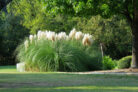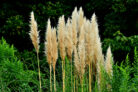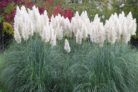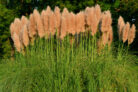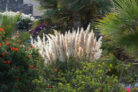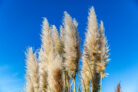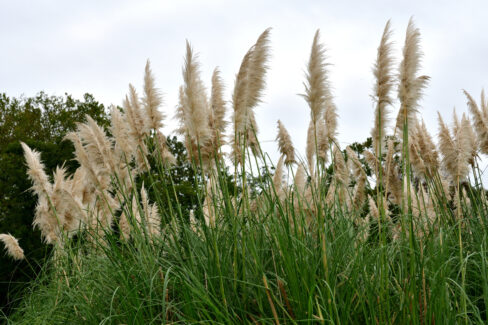
When folks plant pampas grass in their backyards, they’re usually looking for that gorgeous, fast-growing privacy screen. But here’s the thing: that rapid growth only happens if your grass is getting all the nutrients it needs. Even if you’re blessed with great soil, you’re still going to need a solid fertilizing routine to keep those plumes looking lush.
Choosing the Right Fertilizer
You’ve got a couple of great options when it comes to feeding your pampas grass. If you like to keep things natural, well-aged compost is your best friend. On the other hand, if you prefer something from the garden center, a standard liquid fertilizer works wonders. Liquid feed is especially handy if you’re growing your pampas grass in containers on your patio or balcony.
Feeding During the Growing Season
If you can swing it, I always recommend going with compost over synthetic fertilizers. Just keep in mind that pampas grass is a hungry plant! During the peak growing season, you’ll want to feed it every two to three weeks. Once late summer rolls around, you can start to dial it back. As soon as those iconic plumes start to show up, the plant doesn’t need nearly as much fuel. You can gradually increase the time between feedings throughout the dog days of summer until you stop altogether.
Extra Love for Container Plants
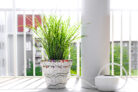
If your pampas grass is living in a pot, it has a much smaller “pantry” of soil to pull from compared to plants in the ground. Because the root system is more confined, those roots have to work overtime to get the nutrients they need. To keep them happy, you’ll want to keep the nutrient density high in your potting mix. For container plants, try to stick to a strict fertilizing schedule of at least once every two weeks.
To wrap it all up, here’s your pampas grass feeding cheat sheet:
- Use well-aged compost or a liquid fertilizer designed for ornamental grasses.
- For plants in the ground, fertilize every two to three weeks.
- For container plants, stick to a tighter two-week schedule.
- Stop fertilizing entirely once late summer hits.