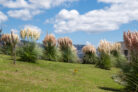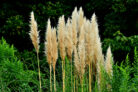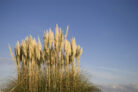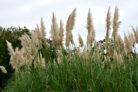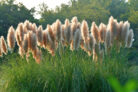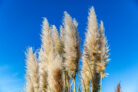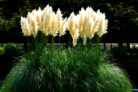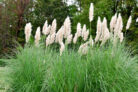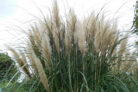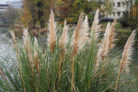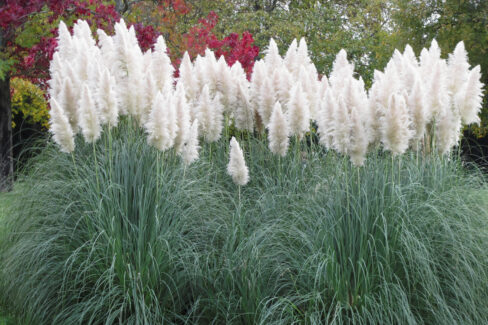
Technically, you can plant pampas grass in your garden just about any time of year. It’s a pretty hardy ornamental grass that doesn’t demand a ton of “babying” once it’s established. However, if you want to set your plant up for success, there are some great reasons to get it in the ground during the spring.
Stronger Growth by Fall
If you give pampas grass enough nutrients and water, it grows incredibly fast. But even a fast grower needs time to establish a solid root system and a healthy clump. When you plant in the spring, overwintering becomes much easier because the plant is strong enough to handle the cold. Plus, getting a head start in year one is crucial, since pampas grass usually takes a few years before it produces those iconic, fluffy blooms.
Summer Privacy Screen
Spring planting is especially important if you’re planning to use pampas grass as a natural hedge. It usually reaches a decent height by summer, but if you wait until May or June to start digging, you’ll be waiting much longer for that privacy. If you want a screen that actually works by the time BBQ season hits, get those plants in the dirt early in the spring.
Avoid the Midsummer Heat
Another reason to skip a summer planting is the heat. High summer can be brutally dry, and while this grass is tough, it needs consistent moisture to fuel its rapid growth. On the flip side, pampas grass absolutely hates “wet feet” (standing water). It’s prone to root rot if the soil stays soggy, so trying to find that perfect balance of watering during a summer heatwave can be a real headache.
Planting in Containers
If you’re planning to grow pampas grass in a pot for your patio or balcony, spring is still your best bet. Because container plants have a more limited root system, they really need the full growing season to establish themselves. Choosing the right pot is half the battle—make sure yours has:
- A capacity of at least 10 gallons (40 liters).
- Drainage holes at the bottom.
- A saucer to catch any excess water.