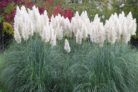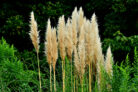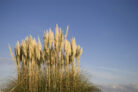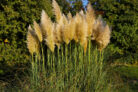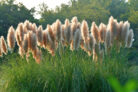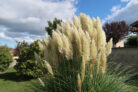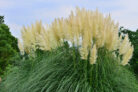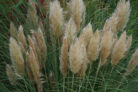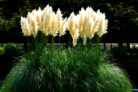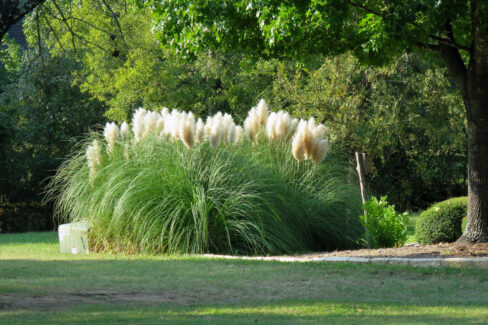
Pampas grass originally hails from South America, which tells you pretty much everything you need to know about its personality: this plant absolutely craves light and warmth. Because it’s used to those southern latitudes, you’ll need to be a bit strategic about where you place it in your yard. Planting this ornamental beauty isn’t hard, but there are a few “pro tips” to keep in mind to make sure it thrives.
Get Moving in the Spring
In many American gardens, pampas grass is the go-to choice for creating a fast-growing natural screen. If you’re looking for a quick privacy hedge along your property line, this is one of your best bets. The trick is to get it in the ground in early spring. This gives the grass enough time to establish itself so it can really skyrocket by midsummer.
Why Timing Matters for Winter
Even though pampas grass is a South American native used to warmer climates, it can definitely survive the winter outdoors in many regions. However, for the plant to handle the cold, the root clump (or “horst”) needs to be well-developed. That’s another big reason why spring planting is the way to go—it gives the plant a full growing season to toughen up. Technically, you can plant it almost any time of year, but spring gives you the best head start.
Finding the Perfect Spot
To keep your pampas grass happy and healthy, you need to pick the right real estate in your garden. Here’s the checklist for the ideal location:
- Lots of direct sunlight
- Protected from harsh winds (if possible)
- Well-draining soil
If your sunniest garden spot happens to be a bit breezy, go ahead and plant it there anyway. For pampas grass, heat and light are way more important than being shielded from the wind.
The Right Way to Plant
If your soil is heavy or holds too much water, you’ll want to loosen it up by mixing in some sand or fine gravel. When you’re ready to dig, make your holes about twice as wide as the root ball. Space is key here: make sure to keep a planting distance of at least three feet between each plant. These grasses like to spread out, and they need that elbow room to grow into their full, majestic shape.
If you’re dealing with dense soil, it’s a smart move to add a drainage layer of gravel or broken clay bits at the bottom of the hole. Once you set the root ball in, fill the rest of the hole with soil enriched with mature compost. This initial fertilization gives your grass the energy boost it needs to settle in. For the best results, keep feeding it with compost or a liquid ornamental grass fertilizer every two to three weeks through late summer.