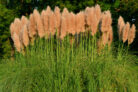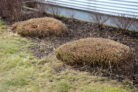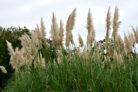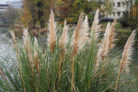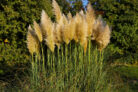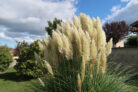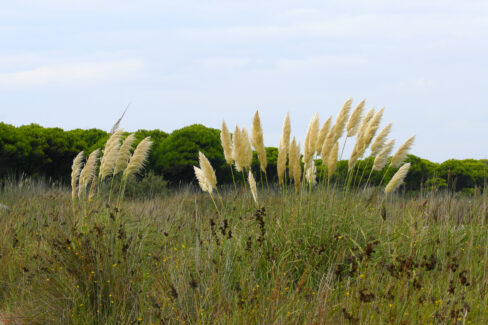
In the garden, pampas grass is a go-to choice for a fast-growing privacy screen. Even without those iconic plumes, it does a great job of blocking out the neighbors. But let’s be honest—if you planted pampas grass as a stunning focal point to add some flair to your yard, missing out on those fluffy feathers is a total bummer.
Pampas Grass Requires a Little Patience
First off, keep in mind that different varieties of pampas grass are late bloomers in the gardening year. Some will start showing off in mid-summer, while others take their sweet time until early autumn to finally bloom. So, don’t reach for the panic button too early in the season! Secondly, pampas grass needs a few years to establish itself before it’s ready to put on a show. It’s perfectly normal for the first flowering period to happen only after the plant has been in the ground for several years.
It Might Be a “Guy” Thing
If your pampas grass still hasn’t produced plumes after several years, you might be dealing with a male plant. Male plants produce significantly fewer plumes, and sometimes none at all. This is exactly why I recommend against using seeds you’ve collected yourself. When you buy certified seeds or starts from a nursery, you can usually be sure you’re getting female plants, which are the ones famous for those big, beautiful feathers.
Location and Care Matter
Sometimes, pampas grass stays “plumeless” simply because it’s not happy with its location. Mistakes in your care routine can also cause the plant to skip its flowering cycle year after year. Ask yourself these questions:
- Is my pampas grass getting enough sun and protection from the wind?
- Am I giving it enough fertilizer?
- Is the soil too dry or too soggy?
Generally, pampas grass handles drought better than “wet feet.” If the soil is too wet, you’re looking at potential root rot, which won’t just kill the bloom—it could kill the entire plant.