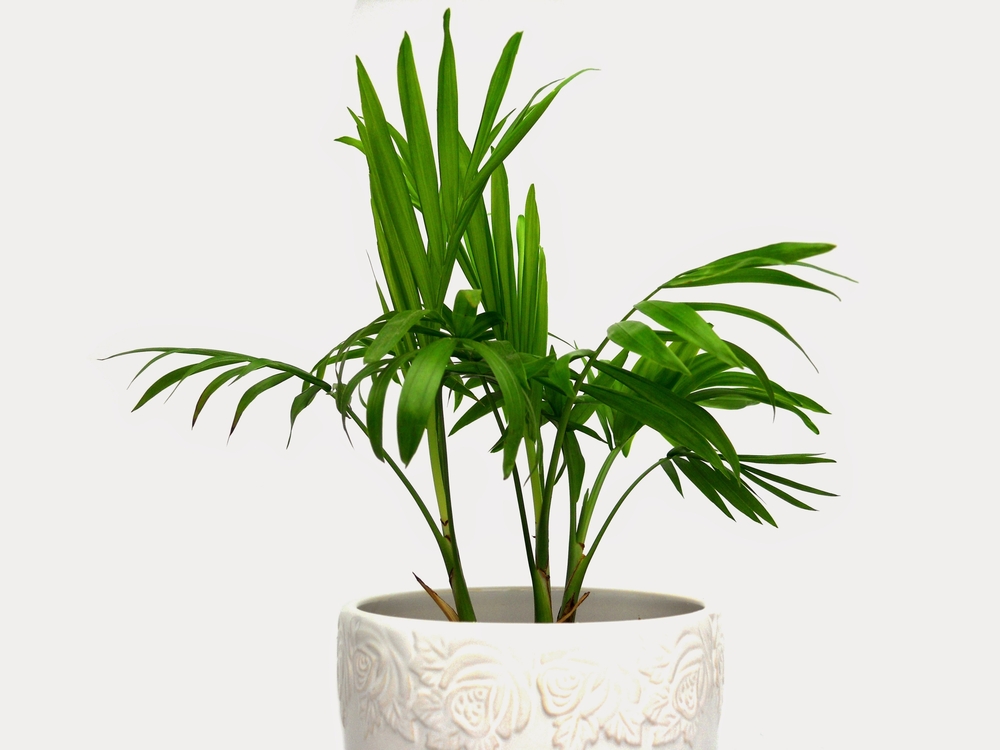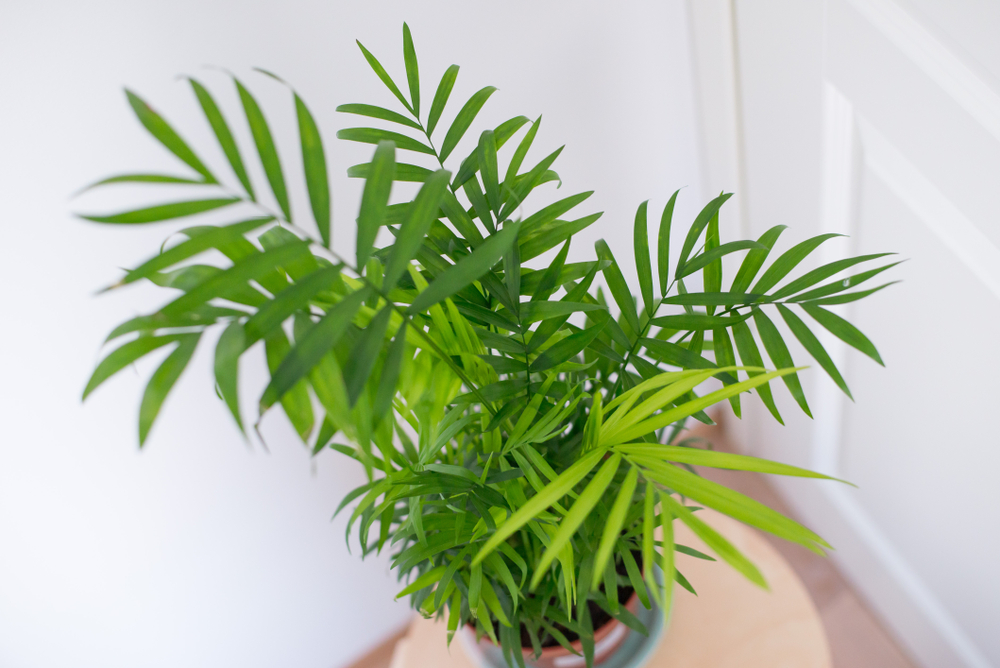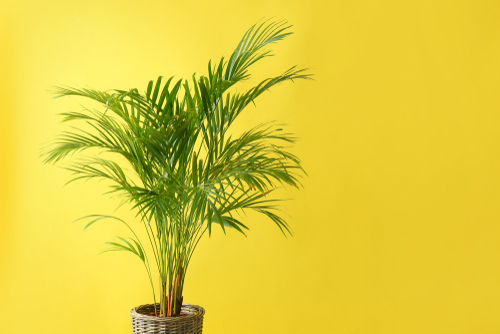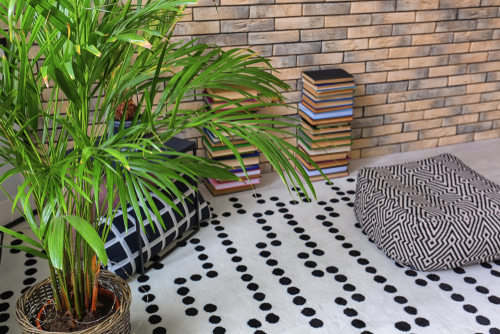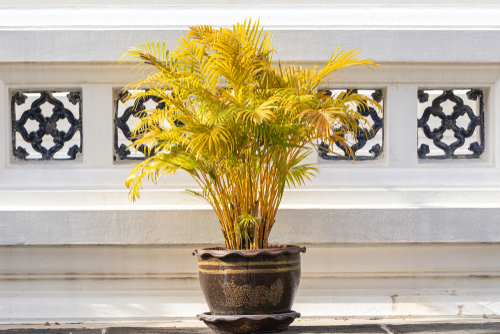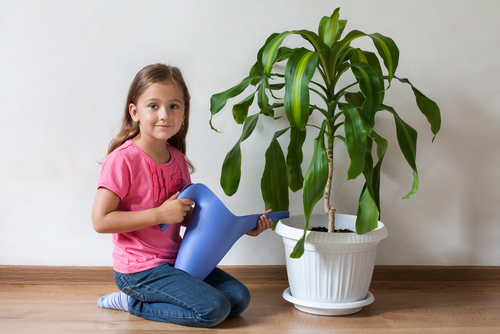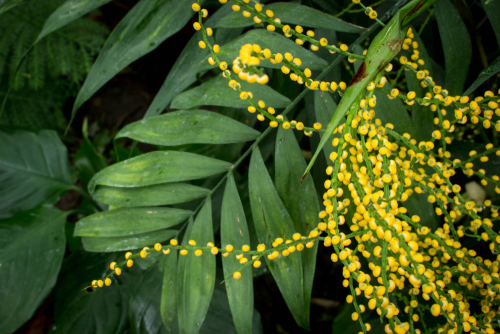
Most palms are pretty shy about blooming when they’re kept as houseplants, but the Parlor Palm is a total overachiever in that department! Hailing from the shady spots of Central America, this beauty (botanically known as *Chamaedorea elegans*) is a huge hit with indoor gardeners because it’s incredibly hardy and low-maintenance.
Blooming Your Parlor Palm
The Parlor Palm is famous for being tough as nails. Even if you’re a total beginner, there’s a good chance you’ll see some flowers after a few years if you treat it right. If you get lucky with pollination, you might even see some fruit! The secret to getting those blooms is all about the right environment. Here’s what your palm needs to thrive:
- Bright, indirect light or even partial shade.
- Keep it out of direct sun—otherwise, those beautiful green fronds will turn a sickly yellow.
- Aim for 68-77°F (20-25°C) during the summer.
- In the winter, make sure the temperature doesn’t drop below 54°F (12°C).
- Avoid south-facing windows or balconies; east or west-facing spots are the “sweet spot.”
Once your palm is about two or three years old, it’s ready to show off. In the springtime, it’ll sprout 6 to 12-inch long panicles covered in tiny, cream-to-yellow globe flowers. Fun fact: the female flowers actually have a lovely, subtle fragrance!
Growing Fruit on Your Parlor Palm
Parlor Palms are dioecious, which is just a fancy way of saying there are separate male and female plants. If you’re hoping to see fruit, you’ll want to keep a few palms together to make sure you have both “genders” in the mix. While nature sometimes does the work for you, you’ll have much better luck with fruit if you play matchmaker yourself. Here’s how to hand-pollinate:
- Grab a small, fine-tipped paintbrush.
- Gently brush the bristles over the flowers of several different plants to collect and spread the pollen.
- Repeat this process a few times a day for as long as the plants are blooming.
If you’re successful, the female plants will start growing small, green, round fruits (about half an inch wide) that eventually turn black as they ripen. You’ll know they’re ready when they drop off the plant on their own. Inside, you’ll find seeds with a tough outer shell. If you want to try growing new baby palms from these seeds, just remember to soak them in water for a while before planting to help them sprout!