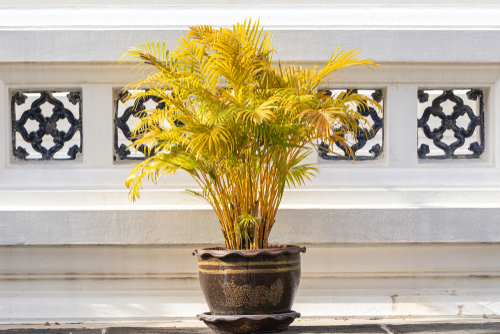
The Parlor Palm originally hails from the mountain regions of Guatemala and Mexico, where it grows as an understory plant in the shade of much taller trees. It’s a stunning palm that stays a manageable size, making it a perfect candidate for indoor life. Plus, it’s one of the few palms that’s actually happy tucked away in a darker corner of the room!
What Does a Parlor Palm Look Like?
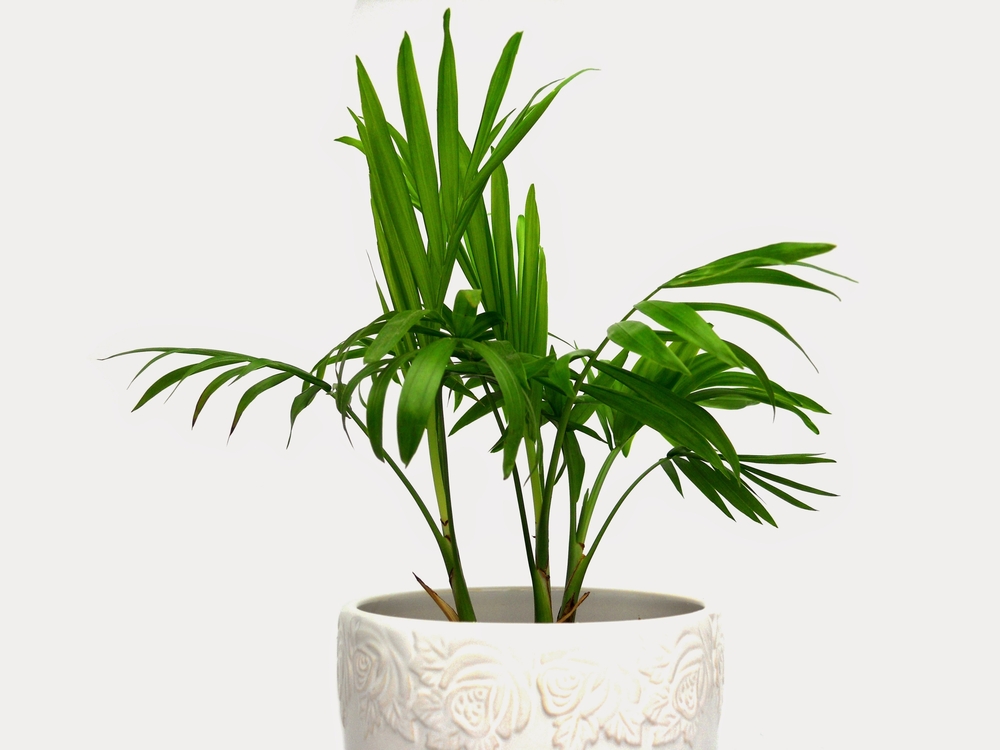
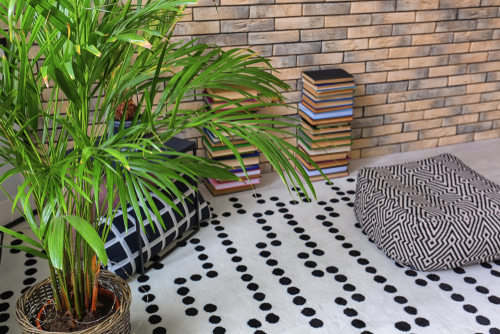
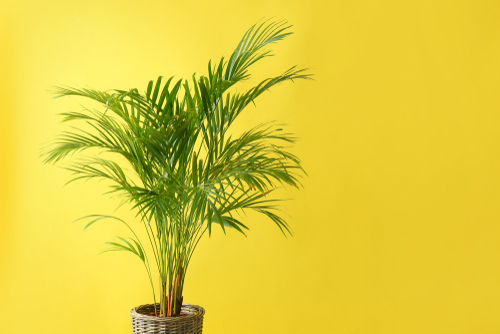
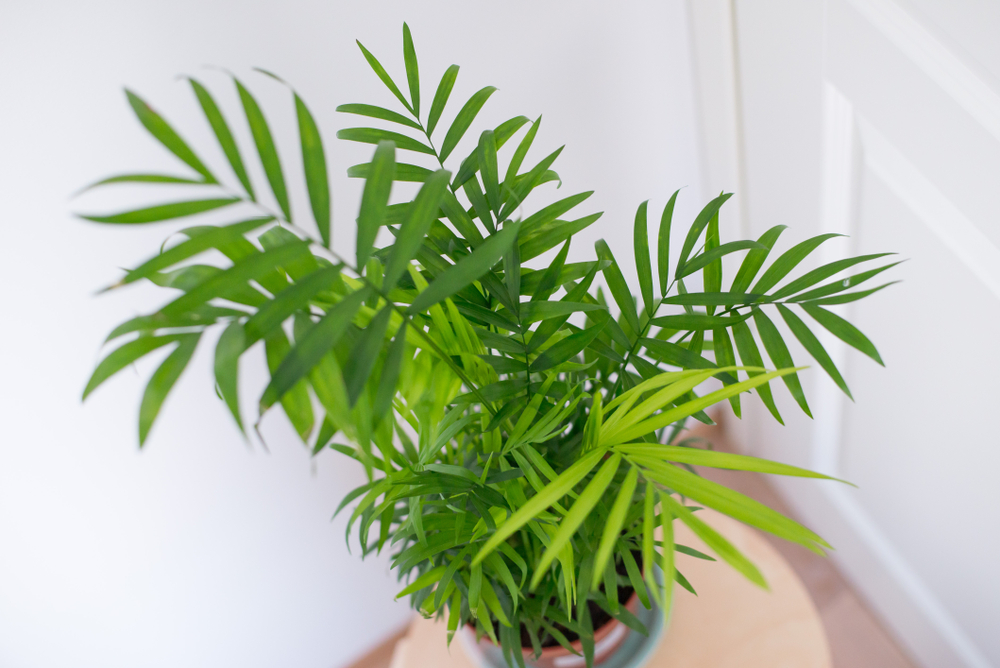
This palm grows upright with a slender trunk that’s usually only about as thick as a finger. This attractive houseplant grows about 8 inches a year and can reach a total height of up to 8 feet if it’s really loving its spot. With its mid-green, glossy, and deeply divided fronds, it brings a total tropical vibe to any living room and is a real head-turner.
The Ideal Spot for Your Parlor Palm
Even though this plant is super low-maintenance—making it a dream for beginner indoor gardeners—there are a few basic things you’ll want to get right to keep it happy.
- It loves partial shade but will also do just fine in full shade.
- Avoid direct sunlight; it’s a bit too harsh for those delicate fronds.
- The sweet spot for temperature is between 65 and 72 degrees Fahrenheit.
- Use soil that is well-draining, nutrient-rich, and slightly loamy.
- Don’t let the soil dry out completely.
- In the summer, feel free to move your palm outside to a shady spot.
- In the winter, it prefers a cooler location around 60 degrees.
- High humidity is a big plus!
Caring for Your Palm
Despite being easy-going, your Parlor Palm needs a little boost during its growing season from March to August. Feed it every two weeks with a well-diluted liquid fertilizer. You can skip the fertilizer during its winter dormant phase, as the plant isn’t taking in many nutrients then.
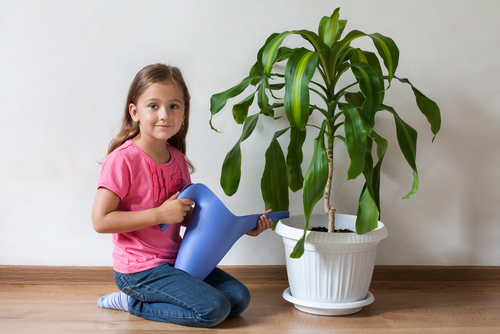
Parlor Palms are thirsty plants! Growing them in hydroculture or using a self-watering system is a great way to meet their water needs without overdoing it. Of course, a regular watering can works just fine, too. Just water as soon as the top layer of soil feels dry. This plant is actually pretty forgiving if you give it a little too much water once in a while because it drinks it up so fast—just make sure it isn’t “sitting in wet feet” (standing water) for too long.
Lastly, don’t forget about humidity. If the air is consistently too dry, the tips of the fronds will start to turn brown and crispy. If you give the leaves a regular misting with a spray bottle, your palm will absolutely thrive!