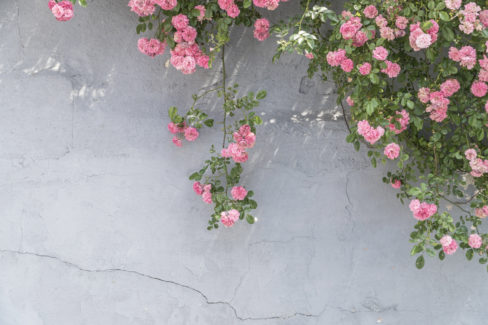
Is there anything more classic than a deep red rose popping against a lush, green wall of ivy? This combo has been a garden favorite for centuries, and for good reason—the contrast is absolutely stunning. Over the years, gardeners have figured out exactly how to make this duo thrive together, and I’m here to share those secrets so you can pull it off in your own backyard.
Ways to Mix and Match
There are a few ways to play with this pairing. You could plant an ivy hedge as a backdrop for your favorite rose bushes, or let ivy climb up a house wall or garden wall behind them. If you’re feeling bold, you can even intermingle them. Ivy also makes a fantastic groundcover at the base of a rose bush, provided you keep your pruning shears handy to make sure it doesn’t take over.
Whether you go with climbing roses or shrub roses really depends on your space, and when it comes to colors? Follow your heart—everything looks good against that deep ivy green.
Pro Tip:
If you love this look, you should also try pairing ivy and clematis. The clematis brings those massive, vibrant blooms while the ivy provides a steady green stage. Plus, they both happen to love partial shade!
Finding the “Sweet Spot” Location
Here’s the tricky part: ivy (especially when it’s young) loves the shade, while roses are total sun-worshippers. To keep them both happy, aim for a spot with partial shade. If you’re planting shrub roses in a sunnier area, you’ll need to make sure the ivy gets some protection from the harsh midday sun until it reaches its mature form, which is much more sun-tolerant.
Give Your Roses a Head Start
Ivy is a fast grower—sometimes a little too fast! To give your roses a fighting chance, try to plant them about 2 to 3 years before you introduce the ivy. This gives the roses time to establish a solid root system. Also, don’t forget to prep the soil with plenty of compost; roses are heavy feeders and need those extra nutrients much more than the ivy does.
Setting Up the Right Support
If you want your ivy to head skyward, you’ll need a very sturdy trellis or support system. As ivy grows, it gets surprisingly heavy! While ivy uses its aerial rootlets to grab hold of surfaces on its own, climbing roses need a little more help. You’ll need to manually tie the rose canes to the support or weave them through the lattice to keep them growing in the right direction.
Maintenance Tips for a Happy Marriage
- Targeted fertilizing: Feed the roses directly at their base. If you broadcast fertilizer everywhere, the ivy will grow out of control.
- Smart watering: Ivy likes its water, but try to keep the rose leaves dry to prevent powdery mildew.
- Keep the shears busy: You’ll likely need to trim the ivy several times a year to keep it in check.
- Go easy on the roses: Climbing roses usually only need a light maintenance prune to stay looking their best.