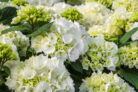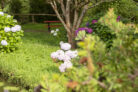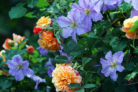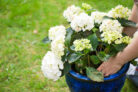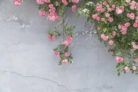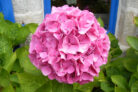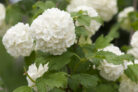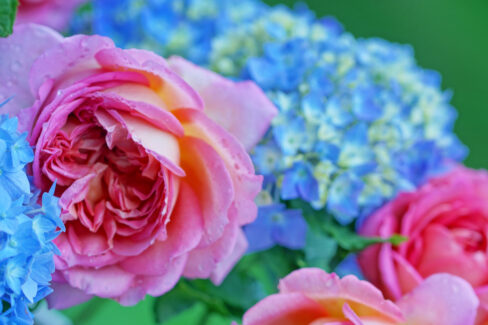
Hydrangeas and roses are a match made in heaven for any gardener. If you keep a few simple tips in mind, these two won’t just get along—they’ll thrive together. Before you know it, you’ll have a backyard paradise filled with lush hydrangea blooms and that unmistakable, sweet rose scent.
How to Pair Roses and Hydrangeas Like a Pro
When you plant hydrangeas alongside roses, you’re setting your garden up for a serious glow-up. A great trick is to use hydrangeas as a backdrop for your rose beds. Those elegant rose blossoms really pop against the dense, deep green foliage of the hydrangea. Plus, once your roses take a little break between blooms, the hydrangeas will still be going strong, ensuring your garden stays colorful all season long.
The key to making this duo work is respecting their individual needs. Roses are sun-worshippers and need a bright spot to shine. On the other hand, most hydrangea varieties prefer a location with partial shade or filtered light. A great spot for a hydrangea is under the canopy of a deep-rooted tree, or along a wall or fence that offers some protection from the harsh afternoon sun.
Choosing the Right Soil
When it comes to soil, these two have slightly different tastes. Roses generally like neutral to slightly alkaline soil, which is what you’ll find in most standard garden beds. Hydrangeas, however, are big fans of acidic soil. In fact, the soil’s pH level is what determines the color of many hydrangea blooms—if the acidity isn’t quite right, those vibrant colors can start to fade. You’ll also want to make sure you give them plenty of room by maintaining the proper planting distance.
Here are the best soil options for your hydrangeas:
- Specialized hydrangea potting mix
- Well-draining forest soil with coarse organic matter
- Azalea soil
- Rhododendron mix
When you’re putting your hydrangeas in the ground, it’s best to mix in the right substrate immediately. Since these plants work hard to produce those massive flower heads, they need plenty of nutrients, so be sure to fertilize them regularly. Don’t forget to water your hydrangeas consistently to keep them hydrated. A pro tip? Spread some bark mulch around the base. It helps lock in moisture and releases it slowly, keeping your plants happy and hydrated.