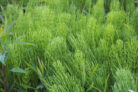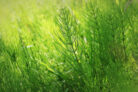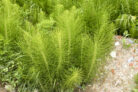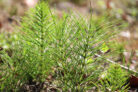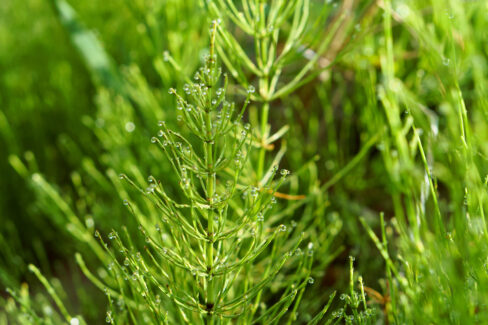
Most home gardeners think of horsetail as nothing more than a stubborn weed. But if you’ve got roses in your garden, you might want to think twice before pulling it all up! This ancient plant is actually a secret weapon when it comes to fighting off pests and diseases.
Rose Diseases and Pests
There’s nothing like roses to make a garden pop, but let’s be real: they can be total drama queens. Powdery mildew and other fungal issues are super common. That’s where horsetail tea (or “broth”) comes in. While the tannins and essential oils help, the real superstar here is the silica. Silica strengthens the plant’s cell walls, making it much harder for fungal spores to take hold. If you notice an infestation, just spray the leaves with the mixture a few times a day.
It’s also a fantastic preventative measure. Regular use makes the leaves tougher against both fungi and hungry bugs, which helps keep your garden healthy long-term. I recommend giving your roses a quick spray once a week. And hey, horsetail isn’t just good for your flowers—it’s good for you, too! Field horsetail is edible and is often used as a natural remedy for urinary tract issues. It definitely pays to harvest a little every now and then.
How to Make Your Own Horsetail Tea
Making the tea you need to strengthen your roses is incredibly easy. You probably already have everything you need in your kitchen or shed:
- A plastic container or bucket
- Horsetail (fresh or dried)
- Tap water or collected rainwater
- A strainer
You’ll want about 7 ounces (200g) of fresh horsetail or half an ounce (15g) of the dried stuff. Toss it in your container, cover it with water, and let it soak for about 24 hours. After that, bring the mixture to a boil and let it simmer for about 30 minutes—this helps extract all that beneficial silica. Once it’s cooled down, strain it and dilute it with water at a 1:4 ratio. Suddenly, that plant you were trying to get rid of has a very important job!
Using Horsetail Liquid Fertilizer
If you want to go a step further, you can make a fermented liquid fertilizer (often called “jauche”). It’s similar to the tea, but you don’t boil it. Instead, let the mixture sit and ferment for a couple of weeks. Once it stops bubbling, it’s ready. Dilute this 1:5 with water and use it to water the soil around your roses once a month. Just a heads-up: try to avoid getting it directly on the leaves or roots. The minerals will help your roses grow sturdier, healthier, and more beautiful than ever.