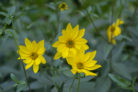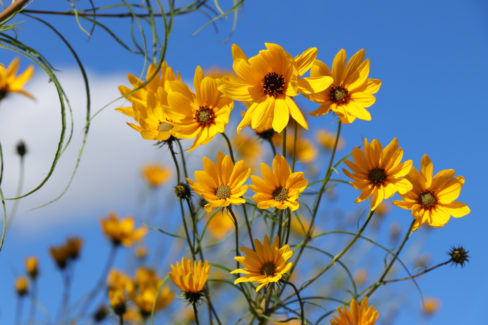
We’ve all been there: you plant those iconic, giant yellow sunflowers, only to have them disappear once the season ends. It’s a bit of a bummer to have to start from scratch every single year, right? Well, let me let you in on a little secret—perennial sunflowers! Once you get these beauties in the ground, they’ll keep coming back to brighten up your garden year after year. Here’s the lowdown on why you might want to make the switch.
How they differ from annuals
Hardy perennial sunflowers aren’t just different because they live longer; they have their own unique look compared to the classic annual varieties.
- They’re usually a bit shorter and more compact.
- The flowers are smaller, but you get way more of them on one plant.
- The center (the disk) is smaller than the giant ones we’re used to.
- While they do produce seeds, they aren’t the snacking kind—leave those for the birds!
Some of my favorite perennial varieties
- Lemon Queen: A real showstopper that produces a ton of pale, lemon-yellow blooms.
- Meteor (also called Supreme): Features beautiful semi-double yellow flowers and stays in bloom for a long time.
- Sheila’s Sunshine: These have lovely cream-yellow petals with a dark center and bloom a bit later in the season.
- Soleil d’or: If you like a “fluffy” look, these lemon-yellow double blooms are for you.
- Triomphe de Gand: Known for large, bright yellow flowers that tend to tilt slightly to the side.
Quick Tip:
If you want a plant that works double duty, check out Sunchokes (Jerusalem Artichokes). Not only do they have pretty yellow flowers, but they grow edible tubers underground that taste amazing—kind of like a nutty potato!
Planting and Care
You’ll want to get your perennial sunflowers in the ground during the spring or fall. Pick a spot that’s sunny, warm, and tucked away from harsh winds. They love nutrient-rich, well-draining soil (sandy-loam is perfect) that’s neutral to slightly alkaline. These guys like to spread out, so give them about 30 inches of space. Some varieties can be a bit “bossy” in the garden, so you might even want to use a root barrier. Here’s how to keep them happy:
- Give them a boost of compost fertilizer once a year.
- Make sure to water them during those hot, dry summer stretches.
- Stake the taller varieties so they don’t flop over.
- Deadhead spent flowers before they go to seed to keep the plant looking tidy.
- Cut them back close to the ground in the fall.
- Toss some mulch or leaves over them for winter protection.
- If you have a particularly sensitive variety, you might need to dig it up and overwinter it indoors.
Quick Tip:
Keep a sharp eye out for slugs and snails in the spring! They absolutely love snacking on the tender new shoots as they emerge.
How to get more plants
You can try sowing seeds in the spring, but honestly, they can be a bit finicky about germinating. The easiest “sure-fire” way to propagate them is by dividing the root ball in early spring before new growth starts. If you’ve already missed that window, you can also grow new plants from cuttings once they’ve started sprouting.