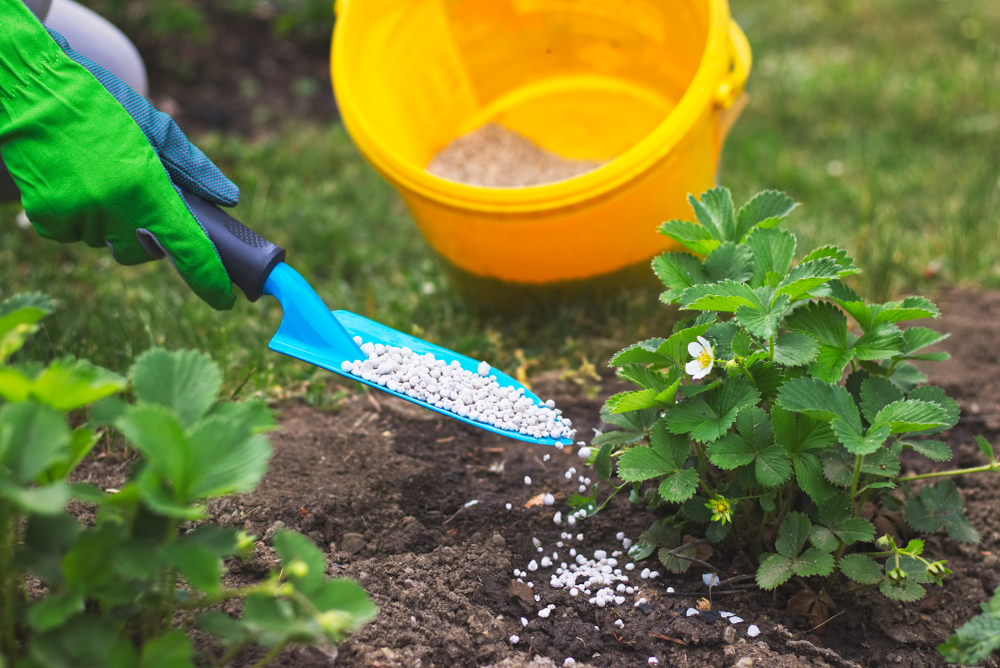
Feed them, feed them, and then feed them some more! That’s the secret to getting those sky-high stalks we all love. But more importantly, a well-fed sunflower is the only way to get those massive, show-stopping blooms. So, what’s the best “plant food” for the job, and when exactly should you start serving it up?
Sunflowers are Heavy Feeders
It’s no secret that sunflowers are hungry plants. It makes sense when you think about it: those annual, non-hardy varieties only have a few short months to reach their full potential and burst into bloom. When they have plenty of nutrients to snack on, they can easily soar over 6 feet tall and start their blooming season much earlier.
Even the perennial, hardy sunflower varieties need a lot of love. Since they have to restart their growth from the ground up every single year, they require a steady supply of energy to get back to their full glory.
When is it Time to Fertilize?
You’ll want to give your sunflowers a head start by sowing them in nutrient-rich soil right from the get-go. I always recommend mixing some fresh compost into your garden beds in the spring. But don’t stop there! Throughout the entire growing season—which can last right up until the first frost—you should be fertilizing your sunflowers at least once a week (twice a week is even better if you want real giants).
Quick Tip:
When planting your sunflowers, try to keep them about 28 inches (70 cm) apart. This gives their roots plenty of room so they aren’t fighting their neighbors for dinner!
The Best Fertilizers for the Job
If you’re planning to harvest the seeds for a snack later on, you definitely want to stick with natural, organic fertilizers. Sunflowers specifically crave nitrogen. Besides the compost we mentioned, here are some great options:
- Horn meal or horn shavings
- Cow manure
- Nettle tea (stinging nettle liquid fertilizer)
If you use nettle tea, make sure to dilute it first. It’s also a good idea to dig a small trench around the base of the plant (a little away from the main stalk) to pour it in. This prevents the strong mixture from accidentally “burning” the stem.
Quick Tip:
Don’t pull the roots out at the end of the season! If you let the sunflower roots rot in the ground, they actually loosen the soil and return nutrients to the earth. This makes the spot perfect for planting sunflowers again next year.
Fertilizing Potted Sunflowers
Sunflowers grow beautifully in containers, making them a perfect choice for balconies. However, the organic fertilizers mentioned above aren’t always great for pots—they don’t break down as easily and, let’s be honest, they can be a bit smelly for a small patio! For potted plants, a standard liquid fertilizer is your best bet. Just mix it in while watering once or twice a week, and your sunflowers will be happy campers.