Sunflowers aren’t the kind of plants that need fancy pruning or shaping. For the most part, we only reach for the shears for our own enjoyment—because let’s be honest, nothing brightens up a room like a vase full of these golden beauties. However, once the season winds down, you will need to do a little cleanup. Here is how to handle cutting your sunflowers, whether it’s for a bouquet or end-of-season maintenance.
Cutting Blooms for the Vase
Sunflowers, which originally hail from North and Central America, make fantastic cut flowers. Just a heads-up: some varieties only produce one main flower, so double-check your plant before you snip—once it’s gone, it’s gone! While they’ll definitely last longer out in the garden, you can usually get about a week of freshness in a vase. If you’ve planted hardy perennial sunflowers in a sunny spot, they’ll produce tons of smaller blooms, so you won’t even miss the ones you take inside.
To keep your bouquet looking fresh, follow these pro tips:
- Cut them in the morning.
- Choose a dry day (no rain!).
- Strip off the lower leaves.
- Use a sharp knife to cut the stems at an angle.
- Dip the stem ends in hot water for just a few seconds.
- Fill your vase with lukewarm water.
- Change the water every single day.
- Give the stems a fresh trim every other day.
Cutting for Drying
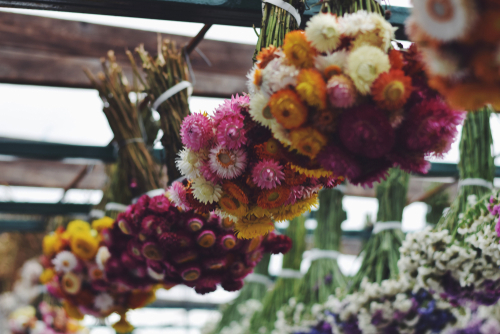
Sunflowers are also great for drying. You’ll cut them the same way you would for a vase, but timing is everything. If you want to dry the entire flower head, cut it when it’s only halfway open. If you’re just after those iconic yellow petals, wait until the flower is in full bloom.
Deadheading and Seed Harvesting
If you’re growing edible sunflowers, you’ll want to leave the flower head on the plant after it fades. This allows the seeds to ripen in the sun until they develop a hard, dry shell. That’s when they are ready to harvest. If the weather turns rainy, you can cut the head off with about 6 inches of stem and let it finish drying indoors. For ornamental varieties that bloom all summer, you should “deadhead” (remove) spent flowers right away to encourage the plant to keep blooming longer.
Quick Tip:
Leave a few flower heads standing if you want to save seeds for next year or if you want to provide a natural snack for the local birds!
Cleaning Up the Garden Bed
Annual sunflowers aren’t winter-hardy; they’ll naturally dry up and die back once the frost hits. You’ll want to clear them out by spring at the latest. Here’s a secret: leave the roots in the ground to rot! They help aerate the soil and add nutrients back in. Those thick, woody stalks can be tough, so your regular garden shears might struggle—loppers are usually the better tool for the job.
If you have perennial sunflower varieties, they’ll retreat into their roots for the winter. You can cut back the dried stalks either in late fall or wait until early spring.