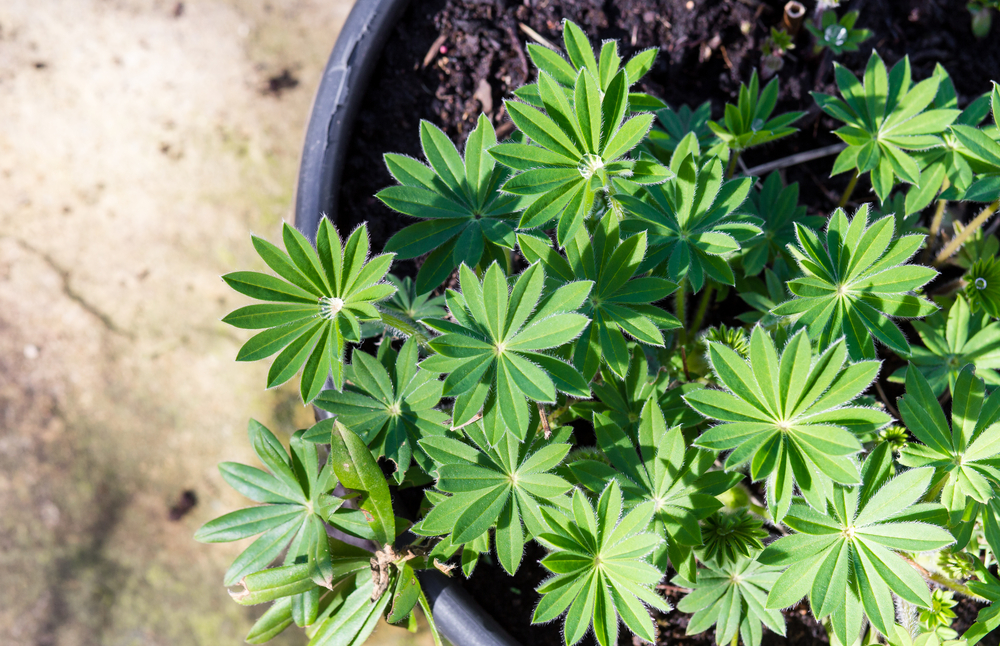
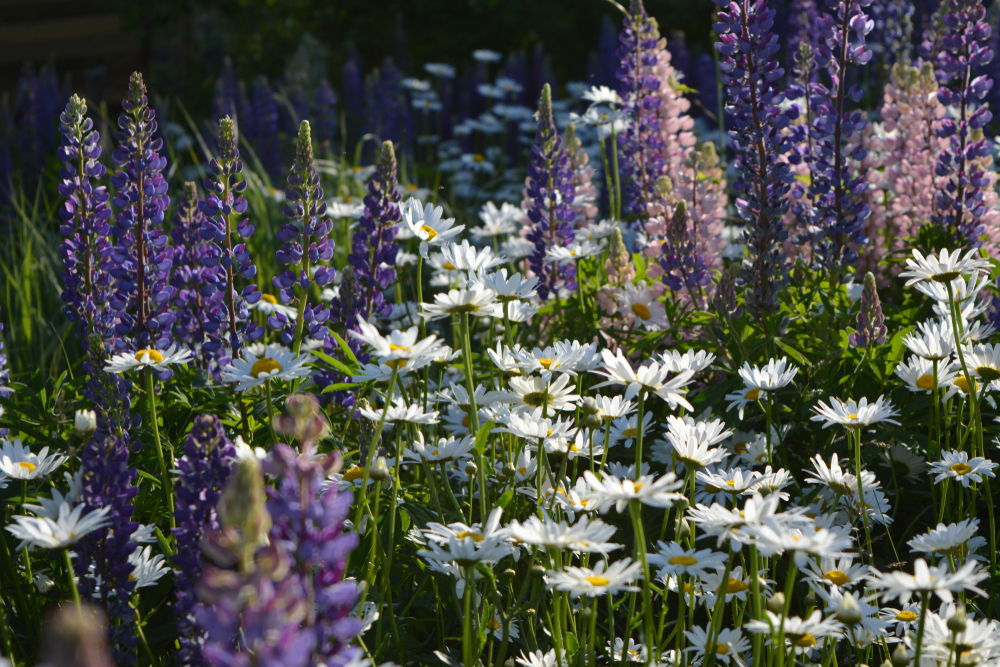
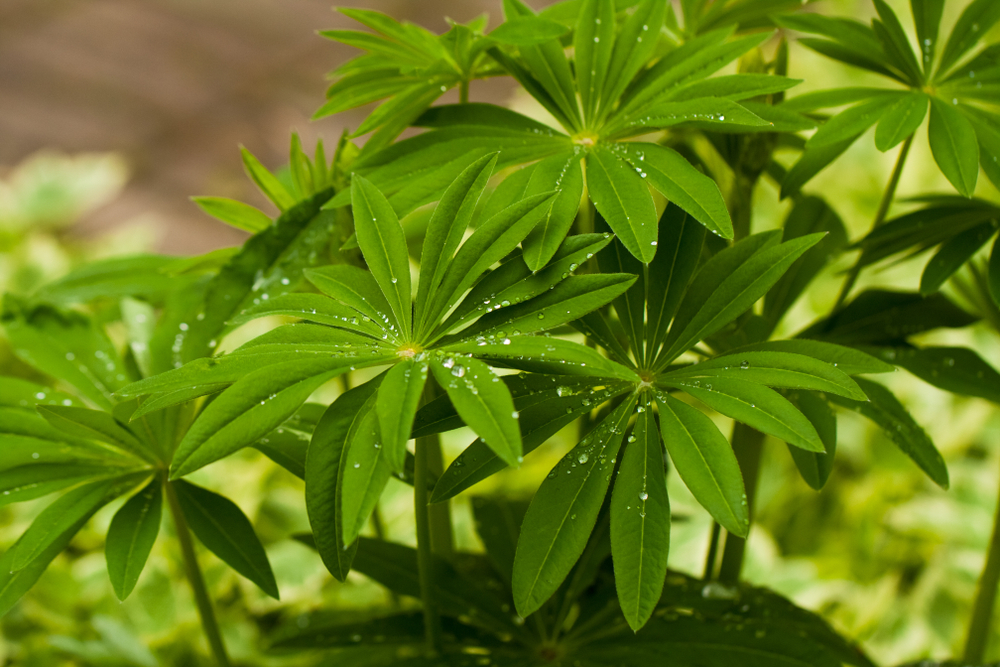
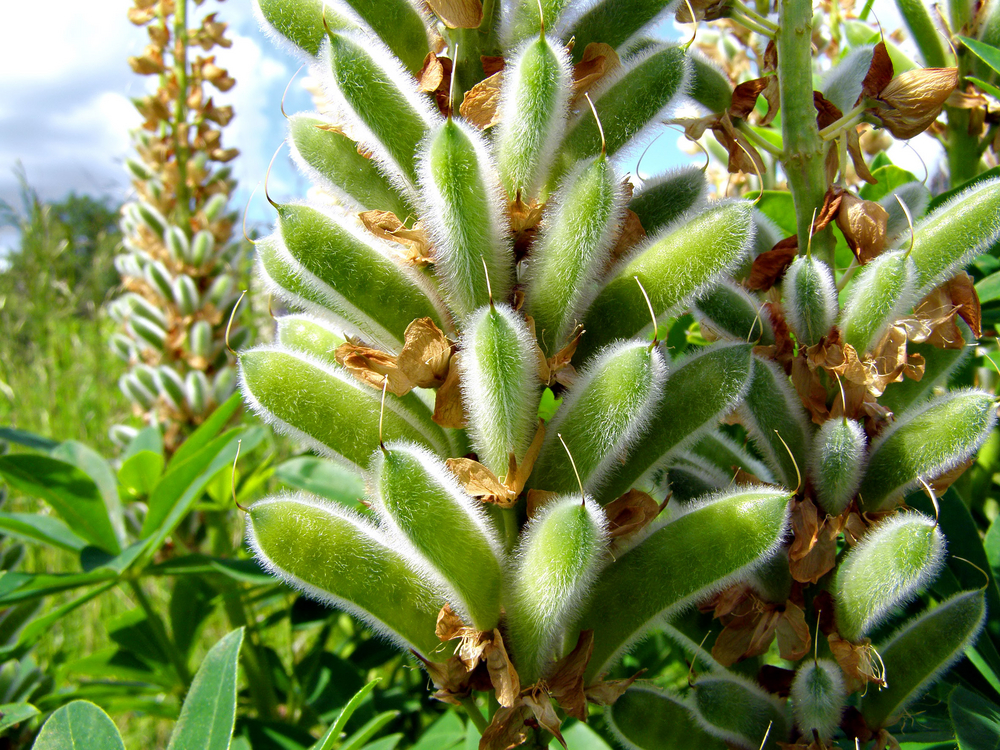
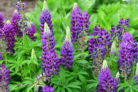
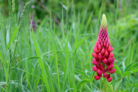
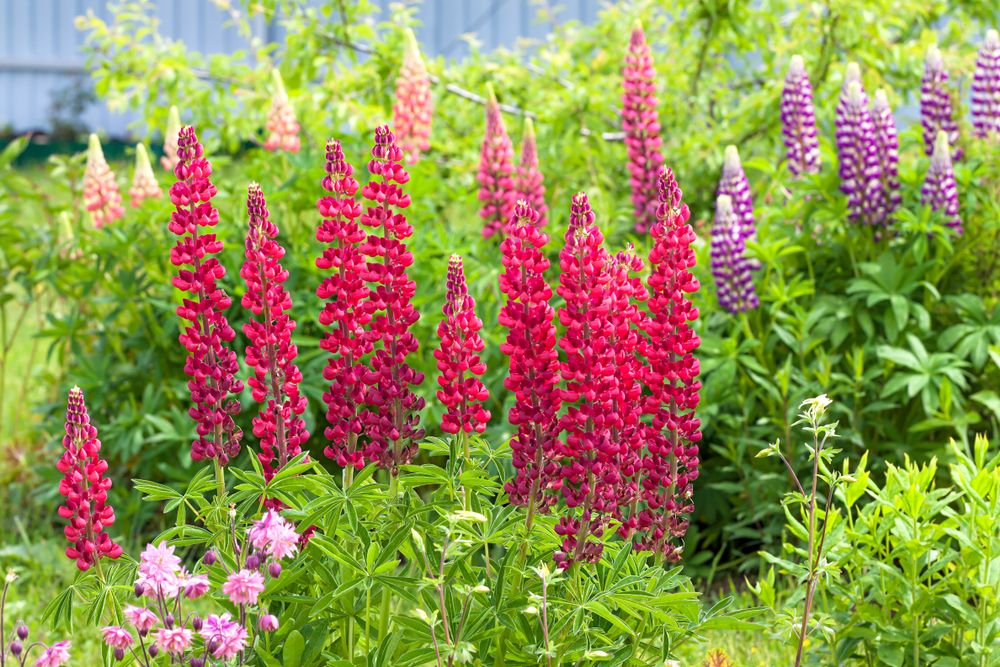
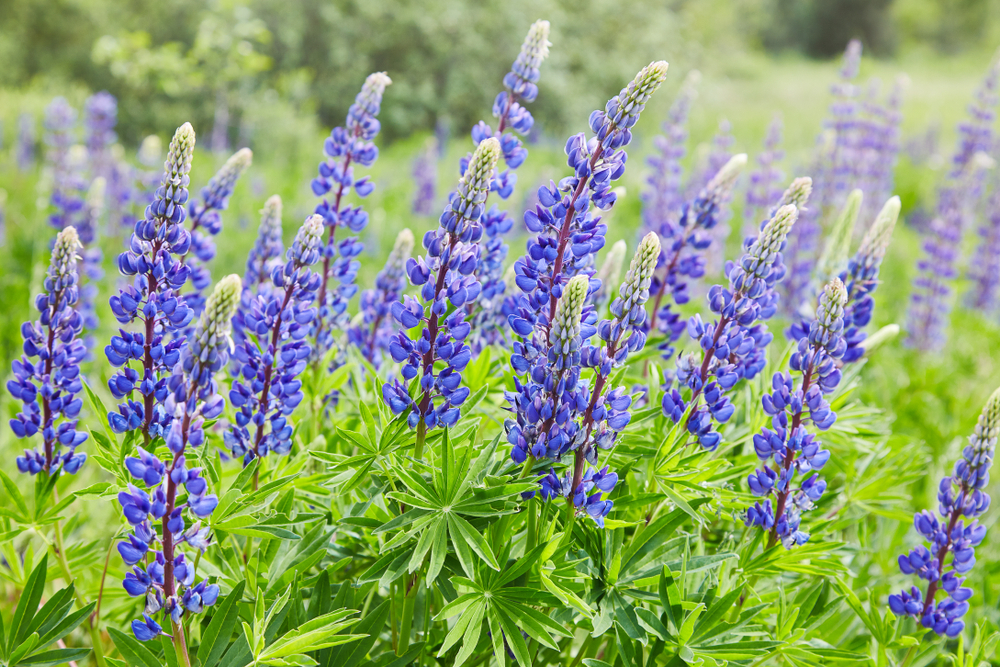
Are lupines actually perennials? And if so, what’s the best way to get them through the winter? In this post, I’ll walk you through everything you need to know about these gorgeous blooms and share some pro tips on keeping them happy in your garden.
Are Lupines Perennial?
Lupines are part of the legume family, which means they’re actually cousins to peas and beans. Now, you probably know those veggies as annuals that you have to replant every year. Lupines, however, are true perennials. They’ll pop back up in your garden every single spring like clockwork. You can also count on those stunning flower spikes to show up right on schedule, usually opening up in May depending on how the weather’s behaving.
Wonderfully Low-Maintenance
If you’re looking for an easy-to-grow perennial, you can’t go wrong with lupines. They are incredibly hardy and low-maintenance, making them the perfect “starter plant” for anyone just getting their hands dirty in the garden.
It’s not just their impressive pest resistance that makes them a fan favorite. You also don’t have to worry about daily watering. Older, established plants are actually pretty self-sufficient. Over the years, lupines develop deep taproots that can reach way down to the groundwater, ensuring they stay hydrated on their own. You’ll really only need to give them a drink on those scorching summer days if they’re sitting in full sun.
Even fertilizing is something the lupine mostly handles itself. In late summer, it drops its foliage, which decomposes and naturally enriches the soil with organic matter.
Pro Tip: Don’t worry about frost protection! Perennial lupines are totally winter-hardy and can handle the cold just fine.
Should You Prune Your Lupines?
Lupines don’t usually get out of control or take up too much real estate, so they won’t crowd out your other garden favorites. Because of that, heavy pruning isn’t strictly necessary. Once the blooming season ends in August, the plant will naturally shed its leaves on its own. However, here’s a little secret: if you trim them back right after the first flowers fade, you might get lucky and see a second flush of blooms in the early fall!