Imagine a garden where you don’t have to start from scratch every single spring. Sounds like a dream, right? Well, with perennial vegetables, that dream is totally doable! There are plenty of delicious crops that, once planted, will keep rewarding you with a bountiful harvest year after year. We’ve rounded up seven of the most popular perennial veggies to get you started, plus a little “insider tip” for your garden.
[[pflanzen]]
++Chufa Sedge / Tiger Nut (Cyperus esculentus)
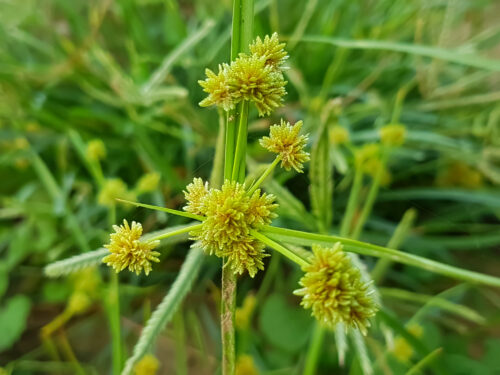
With a sweet, nutty flavor and a powerhouse of fiber and minerals, tiger nuts are a fantastic addition to the garden—especially since they’re safe for folks with gluten or nut allergies. These pea-sized tubers grow on underground runners of a sedge plant that produces lovely yellow flowers. The plant itself reaches about 20 inches tall. Just a heads-up: tiger nuts can spread like crazy, especially in warmer climates, so it’s a smart move to use a root barrier to keep them from taking over your yard.
++Watercress (Nasturtium officinale)
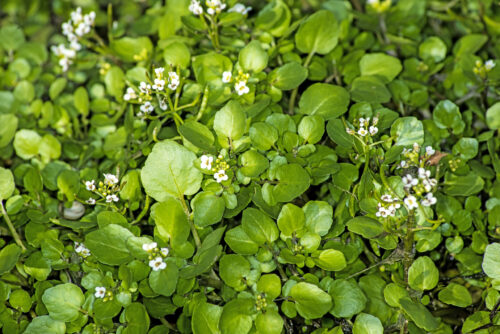
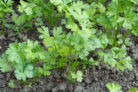
If you’re lucky enough to have a small garden pond or a little stream, you’ve got the perfect spot for watercress. This super aromatic green loves partial shade and very wet conditions. Its stems can grow up to 20 inches long, floating on the water or forming lush mats in marshy areas. You can harvest watercress between March and May, right before it starts to bloom. Pro tip: give the leaves a really good rinse before eating, as little garden critters love to hang out on them!
++Sorrel (Rumex acetosa)
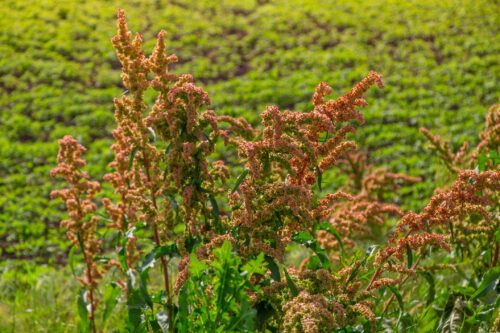
Garden sorrel is a cultivated version of the wild plant, known for its bright, lemony tang. It’s a game-changer for salads and soups. Because of its oxalic acid content, it’s best to finish your harvest by late June (traditionally around the summer solstice). You’ll want to pick the smooth, vibrant green leaves that sit on thin stems. Between May and September, sorrel produces subtle, reddish flower spikes that add a bit of height to your herb bed.
++Artichoke (Cynara scolymus)
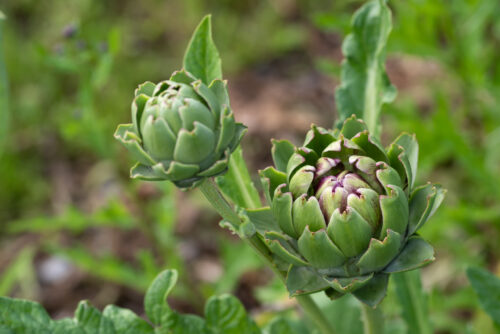
Artichokes are a gourmet favorite, but they’re just as much a feast for the eyes as they are for the palate. These thistle-like beauties can grow up to six feet tall! They are a bit sensitive to frost, so they do best in milder regions. If you can resist harvesting the buds, they’ll open into stunning purple flowers that act like a magnet for bees and butterflies. Even the silvery, jagged foliage is a showstopper in any landscape.
++Rhubarb (Rheum rhabarbarum)
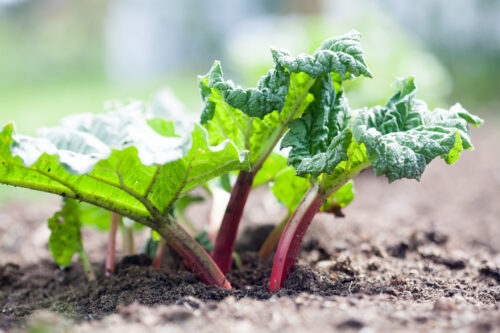
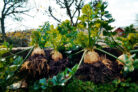
The ultimate low-maintenance perennial! Rhubarb is a garden classic that can stay in the same spot for eight to ten years. It grows into massive clumps with huge leaves and deep roots. You can start harvesting those tart stalks in the third year. Just remember: never pull all the stalks at once. Leave a few on the plant so it can keep photosynthesizing and stay strong for next year.
++Jerusalem Artichoke (Helianthus tuberosus)
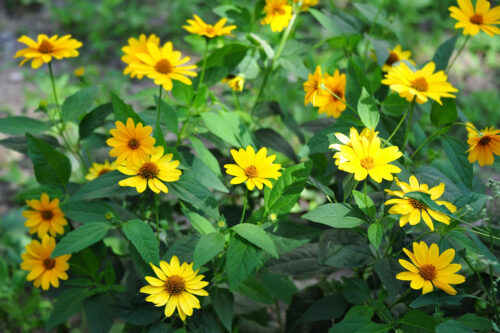
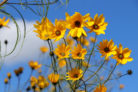
Long before the potato took over, Jerusalem artichokes (or sunchokes) were a staple crop. These plants are tall—reaching up to 10 feet—and burst into bright yellow flowers that look like mini sunflowers in late summer. You harvest the knobby tubers in the fall. They’re delicious raw in salads, mashed, roasted, or in soups. Like tiger nuts, these guys spread via rhizomes, so definitely consider a root barrier unless you want a sunchoke forest!
++Ramps / Wild Garlic (Allium ursinum)
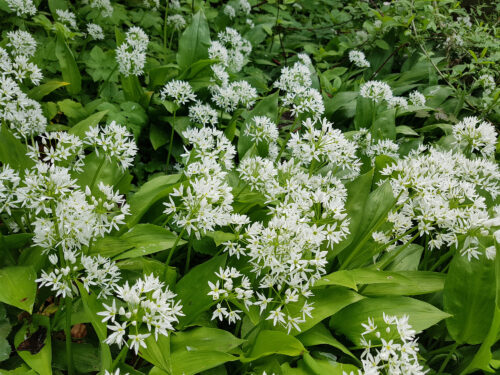
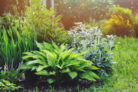
Wild garlic has become a huge hit with home cooks lately. If you have a shady spot under some deciduous trees, it will happily spread and form a lush green carpet over time. The young, juicy leaves are most flavorful before the plant flowers. Just a word of caution: wild garlic can look a lot like poisonous Lily of the Valley or Autumn Crocus. Always double-check your harvest—the easiest way to tell is that wild garlic leaves are matte on the underside and, of course, have that unmistakable garlic scent!
%%Perennial Kale (Brassica species)
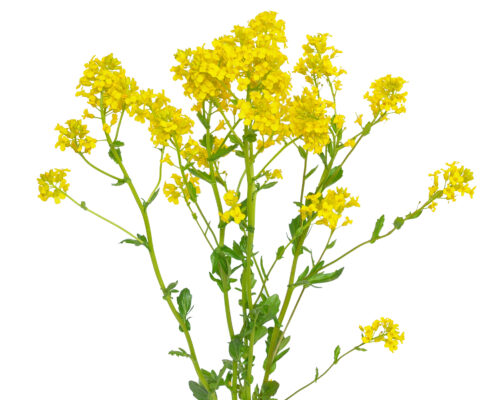
Here’s our secret tip: Perennial Kale (sometimes called Irish Leaf Cabbage). This plant produces light green, ruffled leaves that are incredibly tasty and can be harvested all year round. Once established, it grows about two feet high and gets so dense that it naturally chokes out weeds. It’s basically the “set it and forget it” of the veggie world. Use the tender young leaves in salads and cook the older ones just like you would spinach or collard greens.