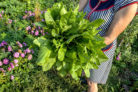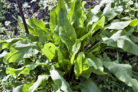
Most gardeners are pretty familiar with sorrel. It’s one of those classic wild herbs that’s made a major comeback in natural landscapes and cottage gardens alike. But don’t underestimate it as just an edible—with its striking reddish blooms, sorrel actually makes a lovely ornamental addition to any perennial bed. Fun fact: its botanical name, *Rumex*, actually comes from the word for a throwing spear, which perfectly describes the shape of its leaves!
When Does Sorrel Bloom?
Common sorrel (*Rumex acetosa*) typically flowers from May through September. Standing up to 40 inches tall, it’s definitely hard to miss in the garden! If you’re planning on eating the flowers, you’ll want to harvest them early in the season, around April or May. Just a heads-up: like rhubarb, sorrel contains oxalic acid. It’s slightly toxic if eaten in huge quantities over time, as it can be tough on the kidneys, so enjoy it in moderation.
A Closer Look at the Flowers
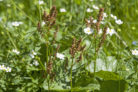
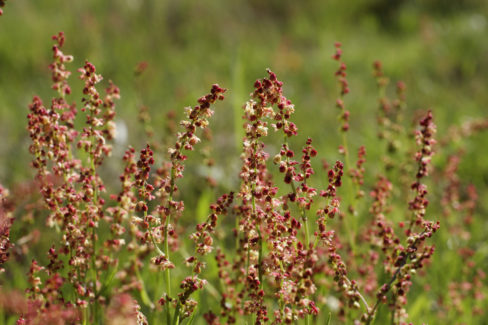
Sorrel is known for its clusters of tiny flowers that grow in panicles (loose branches) along upright stems. The colors usually range from a deep red to a soft green. Interestingly, sorrel is usually dioecious, meaning you’ll find male and female flowers on separate plants. As the plant goes to seed, it produces tiny, winged nutlets that are dark brown or black. Because each flower head produces a massive amount of seeds, this plant is a pro at spreading itself around! You’ll also notice the leaves grow in an alternating pattern and are quite long—usually 3 to 15 times longer than they are wide.
Pruning Before the Bloom
I know some gardeners get a little nervous about planting sorrel because it can spread like wildfire if left to its own devices. The best way to keep it in check is to give it a good trim before it starts blooming. By cutting it back early, the plant puts less energy into seed production, which slows down its takeover. If you find that it’s already started to run wild in your yard, you might need to take some more active steps to get it under control.