Parsley is easily one of the most popular herbs out there. Its subtle, fresh flavor makes it incredibly versatile, which is why so many of us reach for it in the kitchen every single day. Of course, nothing beats the taste of parsley picked straight from your own garden. But if you’re planning your herb bed, you might be wondering: just how long will one plant keep those aromatic leaves coming?
Parsley is usually biennial, sometimes perennial
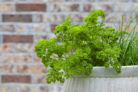
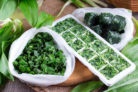
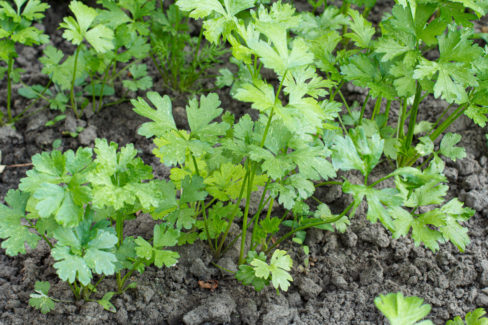
After you sow the seeds, parsley typically has about two growing seasons ahead of it—and if it’s in a really happy spot, maybe even a bit longer. During the first year, the plant focuses all its energy on growing lush, green foliage. New stems constantly sprout from the center, meaning you can keep harvesting fresh leaves right up until the first frost. This is perfect because fresh-cut parsley only stays fresh for a few days. If you want to keep that homegrown flavor for the long haul, freezing it is your best bet to avoid losing that signature aroma.
Parsley blooms in the second year
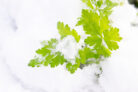
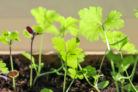
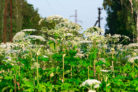
Once that first harvest season wraps up, it’s time for winter. The good news is that parsley is quite hardy and can usually handle the frost on its own. If you live in a particularly harsh climate, you might want to help it overwinter by giving it a cozy blanket of leaves, brushwood, or straw. In the spring, it’ll sprout again, and you can start harvesting all over again. You can even pick a few leaves during mild winters, though the plant won’t grow back as quickly then. However, once it starts to bloom in June or July, its time as a culinary herb comes to an abrupt end.
- Blooming parsley produces apiol
- This substance can be harmful to humans
- The leaves also contain apiol at this stage
- It’s best to pull out blooming parsley
- The plant is no longer tasty or safe to eat
- Alternatively, leave the flowers for the bees or to collect seeds
Pro Tip:
Even if you’re diligent about snipping off every flower stalk the second it appears, you can’t “cheat” the toxin issue. The plant produces apiol during its flowering phase regardless of whether the blooms are physically there or not.
Don’t cut short its lifespan
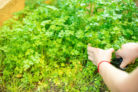
If you aren’t careful when pruning your parsley, you might accidentally end its life prematurely. The trick is to only cut the outer leaf stems near the ground, leaving the “heart” (the very center of the plant) untouched. This is where all the new growth happens! If you damage the heart, the plant is done for before the harvest season even gets into full swing.
Ensure a steady supply with annual sowing
Even though our favorite kitchen staple is only a biennial, that doesn’t have to be a dealbreaker. To ensure you never run out, simply sow new seeds every year. Parsley actually prefers a change of scenery anyway; it doesn’t like to stay in the same spot for too long. For the best results, always plant it in a spot where no other members of the carrot family (umbellifers) have grown for at least four years.