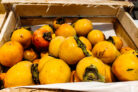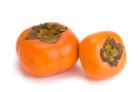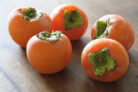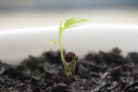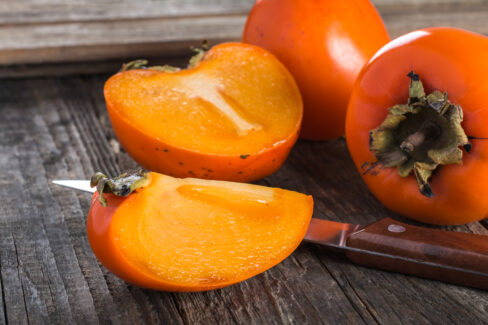
Persimmons (or Kakis) are the delicious fruits of the persimmon tree. While these tropical beauties usually thrive in Asia and Southern Europe, growing your own from seed is actually pretty straightforward! Just a heads-up: it’s pretty rare to find viable seeds in the fruit you buy at the grocery store.
The Tropical Persimmon Tree
Persimmon trees are actually part of the ebony family.
Here are the varieties you’ll usually run into:
- The classic Diospyros kaki isn’t very winter-hardy, so in most parts of the US, it’s best to keep this one in a pot.
- Diospyros lotus (Date-plum) is incredibly tough and is often used as rootstock for grafting.
- Diospyros virginiana (American Persimmon) is very frost-resistant, making it a great choice for planting directly in the ground, even in chillier regions.
For the most part, persimmons are low-maintenance guests in your garden. They aren’t particularly prone to diseases or pests. However, harvesting your own persimmons can be a bit of a waiting game. If you’re growing from seed, expect to wait at least 6 years before you see your first harvest.
How to Start Your Seeds
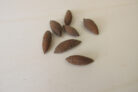
Since store-bought fruit is often seedless, your best bet is to order high-quality seeds from a specialty exotic plant shop.
Here’s how to get them started:
- First, you’ll need to stratify the seeds. Place them in a container with some damp paper towels and pop them in the fridge.
- After a cold period of about 8 weeks, tuck the seeds into some seed-starting mix, covering them just slightly.
- Keep your seeds in a bright, warm, and moist spot.
- Room temperature (around 72°F) is perfect for germination.
- You should see sprouts appearing in about 2 to 4 weeks.
Pro tip: Using a mini indoor greenhouse or just some plastic wrap over the pot helps keep the humidity and temperature nice and steady.
Caring for Your Seedlings
As they grow, your seedlings will crave plenty of light and warmth. Just be a little careful with direct, scorching midday sun while they’re still babies.
Here’s the routine:
- Keep the soil moist, but never soggy. A spray bottle is perfect for gentle watering.
- If the pot starts getting a little crowded, you can thin them out or move them to individual containers.
- Once a solid root ball has developed, it’s time to repot your little trees.
Extra Tips
Most persimmon trees you buy at a nursery are grafted. This means two different plants were joined together to combine the best traits—like better winter hardiness or tastier fruit. Growing from seed is a fun experiment, but keep in mind your “wild” tree might be a little different than the ones you see at the garden center!