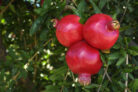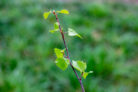
Persimmons are the sweet, honey-like gems of the fruit world. While these tropical beauties usually call Asia, the Americas, Israel, or Southern Europe home, you can actually grow your own right at home! Growing a persimmon tree from seed is surprisingly straightforward, though I’ll be honest with you: finding viable seeds in store-bought fruit can be a bit like finding a needle in a haystack.
Meet the Persimmon Tree
Persimmon trees belong to the ebony family, which explains their beautiful wood.
When you’re looking for a tree to grow, you’ll usually run into these three varieties:
- Diospyros kaki: This is the classic Oriental persimmon. It’s a bit of a “cold-weather wimp,” so unless you live in a very warm climate, it’s best to keep this one in a large container so you can move it indoors when the frost hits.
- Diospyros virginiana: Also known as the American Persimmon. This variety is much hardier and can handle the colder winters found in many US states.
- Diospyros lotus: Often called the Date-plum, this one is incredibly tough. Because it’s so resilient, it’s frequently used as “rootstock” for grafting other varieties.
The good news? Persimmon trees are generally low-maintenance. They aren’t big magnets for pests or diseases, which is a huge plus for organic gardeners. However, harvesting a massive crop of ripe fruit at home can be a challenge depending on your local climate.
Also, pack your patience—if you’re starting from seed, it usually takes about 6 years before you’ll see your first harvest.
How to Start Your Seeds
Since supermarket fruit is often seedless these days, your best bet is to order seeds from a reputable online nursery that specializes in exotic or heirloom plants.
Before you plant, you need to “stratify” the seeds (basically, give them a winter wake-up call). Place the seeds in a container with some damp paper towels and pop them in the fridge for about two months. Once that cold period is over, tuck the seeds into some high-quality seed-starting mix, covering them just slightly.
To get them to sprout, keep them in a bright, warm spot with consistent moisture. They love a room temperature of around 72°F (22°C). Depending on how warm the soil is, you should see sprouts popping up in about 2 to 4 weeks.
Pro Tip: Use a mini indoor greenhouse or just some plastic wrap over your pots to keep the humidity and temperature steady while they germinate.
Caring for Your Seedlings
Once those little green sprouts appear, they need plenty of light to grow strong. Just be careful with direct, scorching afternoon sun—it can be a bit much for the “babies.” Keep the soil moist but never soggy; a spray bottle is perfect for gentle watering without drowning the roots.
If your seedlings start looking crowded, you can thin them out. Wait to transplant them into their own permanent pots until they’ve developed a solid root ball.
A Few Extra Tips
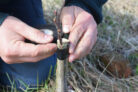
Most persimmon trees you buy at a garden center are “grafted.” This means a grower has joined two different plants together—a hardy rootstock and a high-quality fruiting branch. This is done to combine the best of both worlds, like better cold resistance and tastier fruit. When you grow from seed, you’re on a fun adventure to see exactly what kind of unique tree you’ll get!