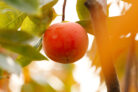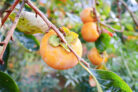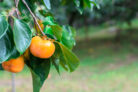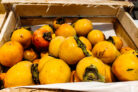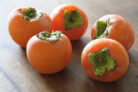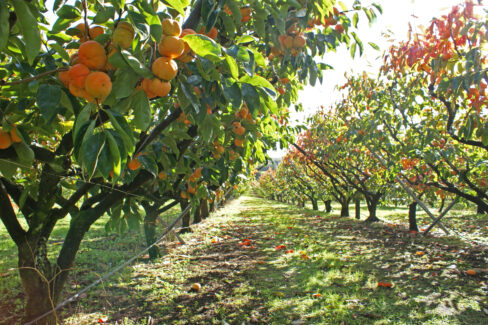
The Persimmon tree, originally from Japan and China, is a member of the ebony family and stands as one of the oldest cultivated plants in history. Known scientifically as *Diospyros kaki*, these trees can reach heights of up to 50 feet, featuring long oval leaves, yellowish-white blossoms, and fruit about the size of a tomato. Depending on where you live, not every variety is hardy enough for the winter, so growing them in pots is often the way to go.
How to Plant Your Persimmon Tree
Persimmon trees are grown both for their delicious fruit and as stunning ornamental or container plants. One of my favorite things about them is the fall foliage—those large, glossy leaves turn a brilliant shade of yellow to orange-red once the weather cools down.
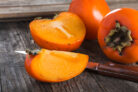
The fruit of the tree goes by many names, including Kaki, Chinese Date Plum, or Japanese Persimmon. They range in color from yellow to deep orange. When they are fully ripe, they are incredibly juicy and sweet.
Be careful, though—if you bite into one before it’s ready, you’ll get a mouth full of bitter tannins! If you aren’t a fan of that “pucker” factor, look for the Sharon fruit. This specific variety from Israel is a bit smaller and lacks those harsh tannins, making it much more mellow.
Planting Outdoors
While Persimmons are staples in tropical and subtropical regions, they can be a bit finicky in cooler climates. In many parts of the U.S., they aren’t quite winter-hardy enough to stay outside year-round, unless you live in a mild wine-growing region. My pro tip? Keep your Persimmon in a container for the first three years. Only move older, more established trees into the garden once they’ve toughened up.
The Perfect Spot and Soil
If you’re planting outdoors, these trees want as much sun and warmth as they can get. They can handle the occasional overnight frost as long as they have a chance to warm back up during the day. If you’re keeping yours in a pot, make sure to move it to a dark, frost-free spot for its winter nap.
As for the dirt, Persimmons thrive in neutral, loamy soil. When you’re digging your planting hole, toss in some horn shavings or a bit of organic fertilizer to give your tree a healthy head start.
Propagation
Growing a Persimmon from seed is actually pretty straightforward, but there’s a catch: you’ll rarely find seeds in the fruit you buy at the grocery store. If you want to propagate them yourself, it’s best to buy viable seeds from a reputable supplier.
That said, most gardeners prefer buying grafted trees. You can find plenty of varieties tailored to different hardiness zones, grafted onto either dwarf or full-sized rootstocks.
Bloom and Harvest Time
The Persimmon is a monoecious plant that blooms in May and June. The pretty golden-yellow flowers have four distinct sepals, which eventually grow into the base of the fruit. You can look forward to harvesting your crop between October and November.
Extra Tips
Persimmon trees take pruning very well! You can easily train them as container plants, or grow them as half-standard or full-standard trees depending on how much space you have in your yard.