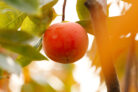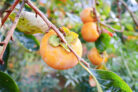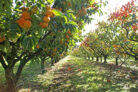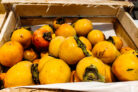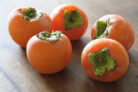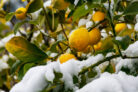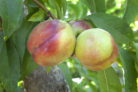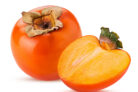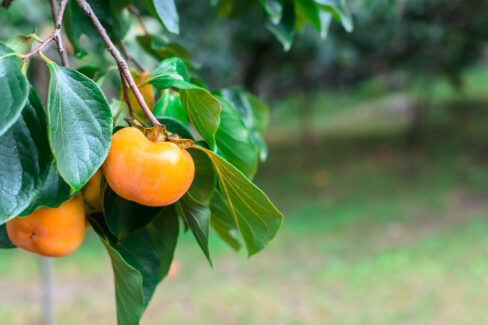
The decorative persimmon tree belongs to the ebony family and is a real showstopper in any garden. Since it originally hails from tropical regions, most standard varieties aren’t naturally fans of a freezing winter. However, there’s great news for us northern gardeners: garden centers now offer plenty of cold-hardy cultivars that can handle chillier climates just fine!
Is the Persimmon Tree Winter-Hardy?
How much frost a persimmon can handle really depends on the specific variety. The common persimmon (Diospyros kaki), which finds its roots in China and Japan, needs a long, sunny summer with very little rain to develop its delicious fruit.
On top of that, it usually prefers the kind of mild winters you’d find in wine-growing regions. If you live somewhere with harsher winters, you’ll need to take a few extra precautions.
Growing Persimmons in Containers
Because young trees are a bit sensitive to the cold, I always recommend growing your persimmon in a large pot for the first two to three years.
Cultivating a persimmon as a potted plant has some great perks:
- They are incredibly low-maintenance.
- Potted persimmons are rarely bothered by pests or diseases.
- It allows you to grow the tree even if you live in a very cold zone.
Once the tree drops its leaves and you’ve harvested the fruit, it’s time to move it into a frost-free, dark spot for the winter. During this dormant phase, keep the watering to a minimum and skip the fertilizer entirely.
Once the tree is a bit older and more established, you can transplant it directly into the garden. Just keep in mind that during particularly brutal winters, even an outdoor tree will appreciate some winter protection like burlap or mulch.
Planting Persimmons Outdoors
For many areas, the standard Asian persimmon isn’t quite tough enough to survive the deep freeze. This is where other members of the ebony family shine as fantastic alternatives! Their winter hardiness is much better suited to our variable climate.
Specifically, look for American hybrids. These special varieties aren’t just impressively frost-resistant; they also produce excellent, high-quality fruit that’s a decent size, too.
When you’re shopping, always check the graft union. Varieties grafted onto *Diospyros virginiana* (the American persimmon) are usually your best bet for cold tolerance.
Pruning Your Persimmon Tree
Persimmons are pretty forgiving when it comes to pruning, and you can trim them in either the fall or the spring. If you prefer spring, try to get your pruning done in late winter or very early spring before the new leaves start to pop.
If you’d rather prune in the fall, do it right before you move the tree to its winter quarters. You don’t need to go overboard—just thin out the crown a bit and carefully remove any branches that are hanging too low.