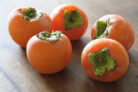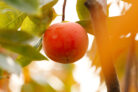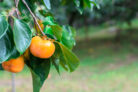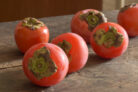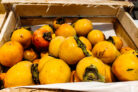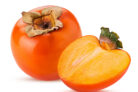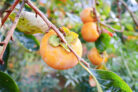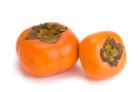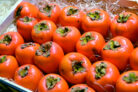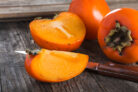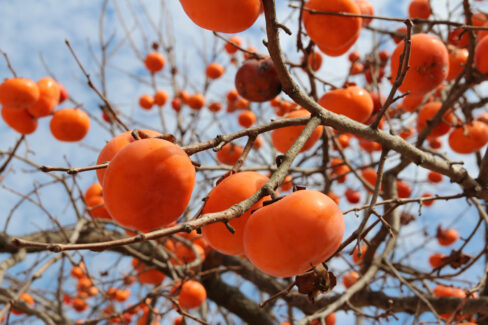
Starting in September, you’ll start seeing those vibrant, glowing orange persimmons popping up in grocery stores and local markets. There’s a good reason they’re so popular—they are incredibly sweet and look absolutely stunning in a fruit bowl! While these tasty treats originally hail from Japan and China, they’ve found a home in gardens and kitchens all over the world.
Where Do Persimmons Come From?
The persimmon tree is actually one of the oldest cultivated plants in history, with its roots tracing back to East Asia.
Most of the fruit you’ll find at the supermarket usually comes from:
- Korea
- Japan
- China
However, persimmons are now grown in many subtropical regions, including Southern Europe and right here in the USA.
You might also come across a specific variety called the Sharon fruit. This is a cross-bred version named after the Sharon plain in Israel, where it’s grown and exported globally.
Persimmon, Sharon Fruit, and Fuyu: What’s the Difference?
You’ll see these fruits sold under a few different names, which can get a little confusing! At the end of the day, they are all berry-like fruits from the *Diospyros kaki* tree, which is part of the ebony family.
While people often use the names interchangeably, there are some key differences in where they come from and how they taste.
The Classic Persimmon (Hachiya type)
The standard persimmon is about the size of a small apple and perfectly round. It has a firm, smooth skin that ranges in color from light orange to a deep, burnt reddish-orange depending on how ripe it is.
The classic variety needs to be mushy-soft before you eat it. If you try to eat one while it’s still hard or unripe, the high tannin content will give you that weird, “fuzzy” or puckered feeling in your mouth. These are the traditional varieties originally from Asia.
Sharon Fruit
The Sharon fruit is a popular variety from Israel. These are a bit smaller and flatter, looking a lot like a tomato. The big plus with these is that they have a much longer shelf life. They also lack those mouth-puckering tannins, meaning you can eat them while they’re still firm. Plus, they have a very thin skin that’s easy to peel or eat.
Persimmons (American and Fuyu types)
Specific cultivars, like those native to Eastern North America or the popular Fuyu variety, are often oval or squat in shape. These are fantastic because the flesh stays firm, and they taste great even before they are fully soft. They have a wonderfully sweet, fresh flavor that makes them a perfect snack on the go!