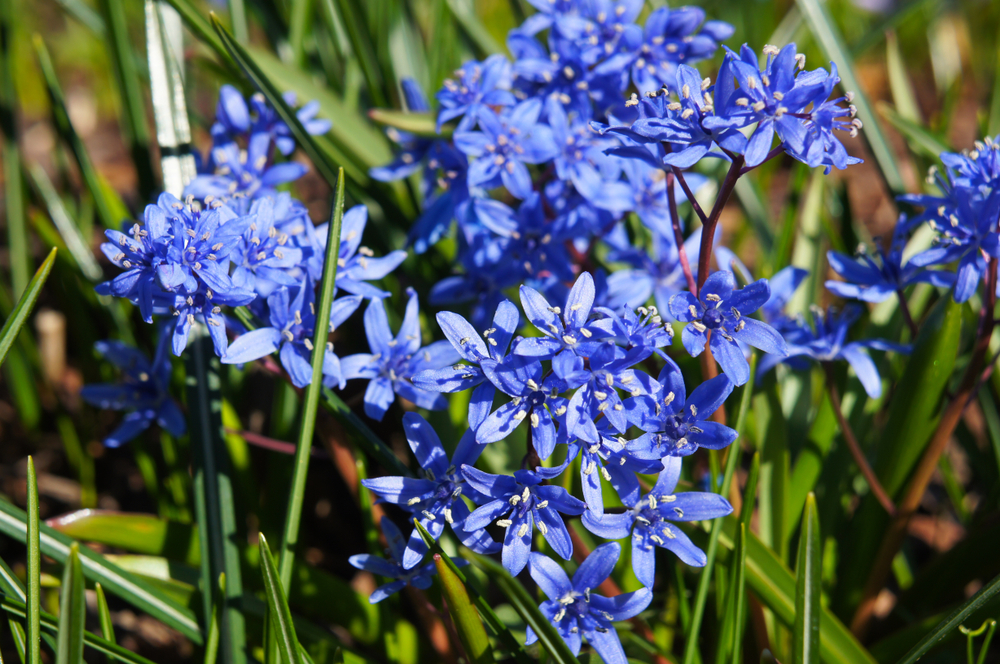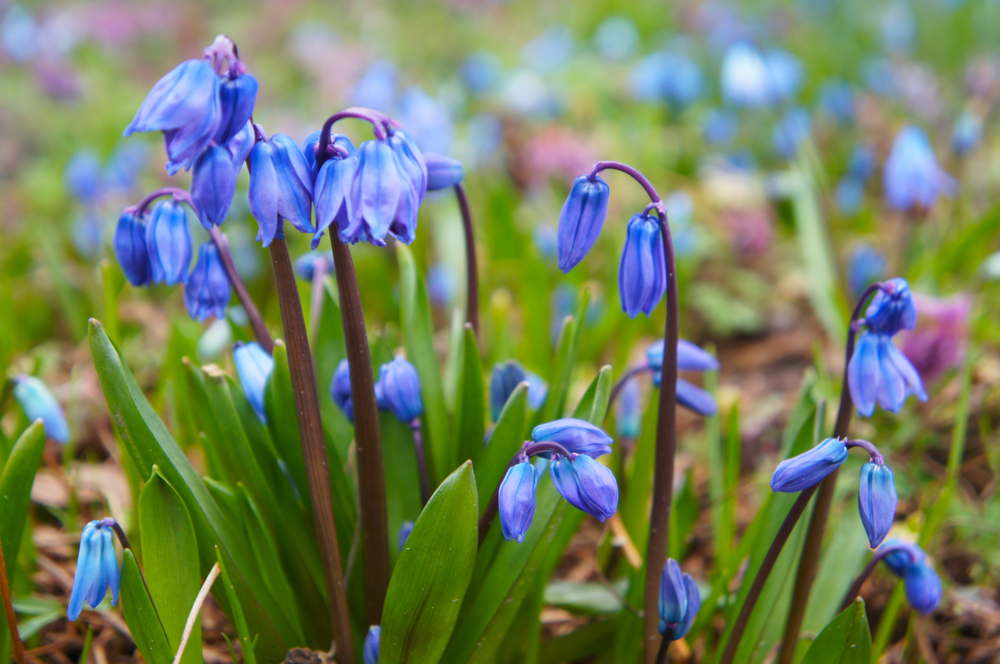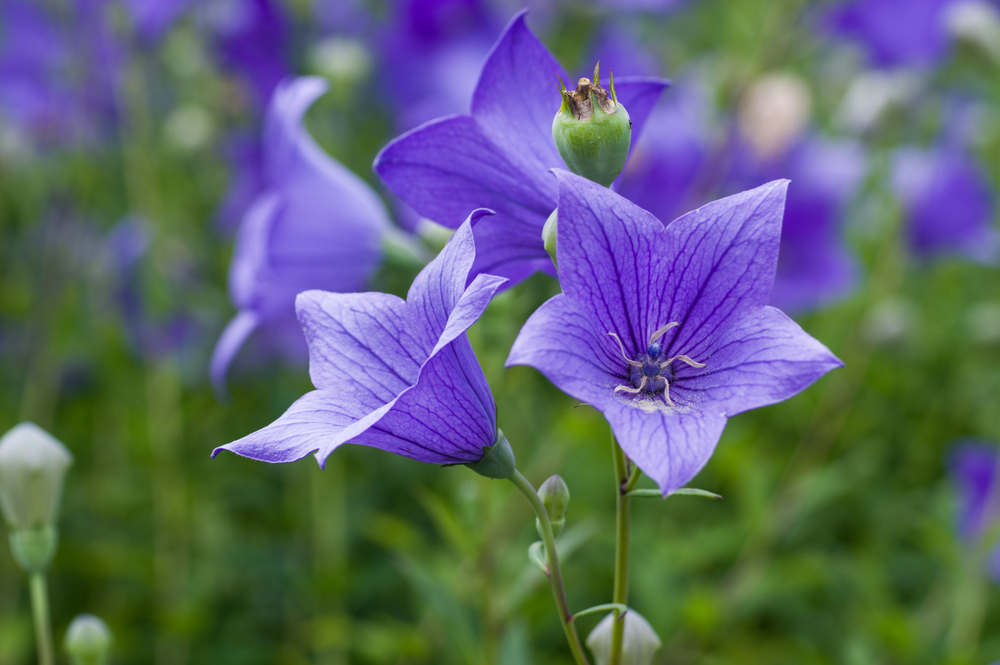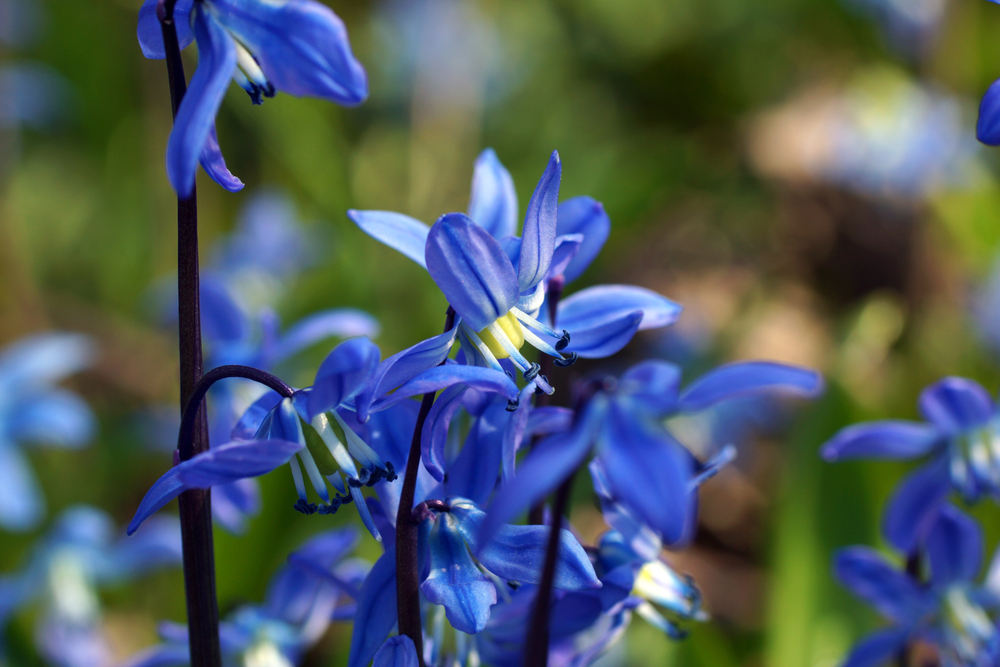
While the Siberian Squill (also known as *Scilla*) is a stunning addition to any spring garden, it’s important to know that this little beauty has a bit of a dark side. In fact, its name comes from the Greek goddess Scylla—a legendary figure who looked beautiful on the outside but hid a terrifying monster beneath the surface. It’s a fitting namesake because, despite those lovely blue petals, this plant is actually quite toxic.
The Toxins Inside
The reason Siberian Squill is dangerous is due to compounds called cardiac glycosides. These chemicals can wreak havoc on the bodies of both humans and pets. While the entire plant contains these toxins, they are most highly concentrated in the bulbs and the seeds.
Health Risks and Symptoms
Cardiac glycosides get their name because of how they affect the heart: they increase the force of the heartbeat while simultaneously slowing the heart rate down. If ingested, this can lead to serious heart palpitations or arrhythmias. But the heart isn’t the only thing affected; the plant is generally very hard on the digestive system. If someone accidentally eats part of a Squill, they might experience:
- Nausea and vomiting
- Diarrhea
- Irritation or coughing
- A burning sensation in the mouth and throat
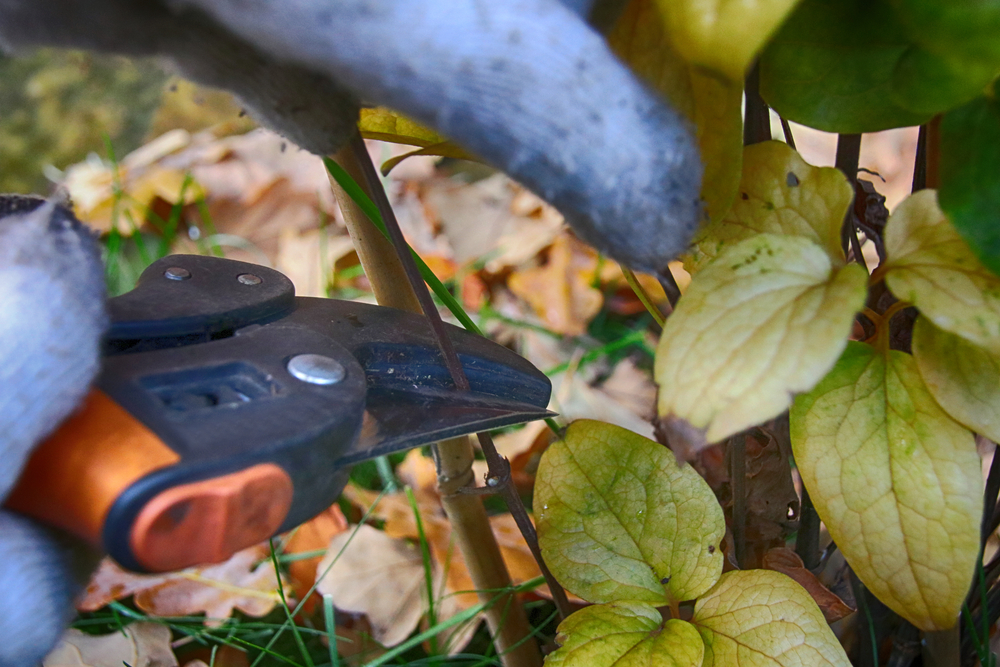
The good news is that the plant is only toxic if you eat it. You don’t need to worry about any “poison ivy” style reactions just by being near it, but it’s still a smart move to wear gardening gloves when you’re handling the bulbs or thinning out your patches.
A Danger to Dogs, Cats, and Small Pets
Our furry friends are just as susceptible to these toxins as we are. If you have curious cats or dogs, you’ll want to keep a close eye on them—or perhaps skip planting Squill altogether if your pets like to munch on the garden. This is especially true for small “pocket pets” like guinea pigs or hamsters. If you let them roam in a fenced-in area of the lawn, keep them far away from these flowers; for small rodents, eating even a little bit can be fatal. In fact, back in the day, cardiac glycosides were a common ingredient used to make rat poison!