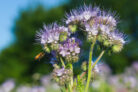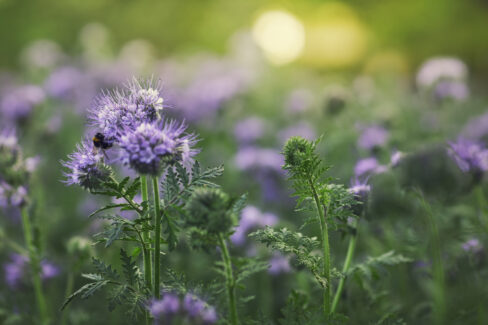
With its sweet nectar and vibrant color, Phacelia is a total magnet for pollinators. Bees and butterflies just can’t get enough of this versatile plant! But this hardy annual is more than just a pretty face; it’s a powerhouse in the garden, working as a “green manure” to revitalize tired soil and naturally choke out weeds. If you’re curious about how to care for this blue beauty and when you can expect those gorgeous flower clusters to pop, you’ve come to the right place.
Phacelia: The Hardworking Summer Bloom
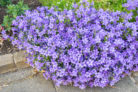
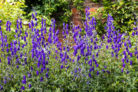
Commonly known as “Lacy Phacelia” or “Bee Friend,” this plant typically blooms from June through September if left to self-seed naturally. One of the coolest things about it is that the blue flowers on each cluster open one after another, stretching the blooming season out over several weeks. During peak season, a single flower can produce up to 1 milligram of sugar in its nectar every day—making it a high-energy buffet for local honeybees and butterflies.
How to Time Your Blooms
Because Phacelia is such a fast grower—often blooming just five weeks after sowing—it’s a favorite for beekeepers. They often plant it during “nectar gaps” (those months when other flowers aren’t blooming) to keep their bees fed.
If you wait until August to get your seeds in the ground, don’t worry! Thanks to its short germination time, it will still bloom before the year is out. Just make sure to keep the soil moist if you’re planting during a summer heatwave.
Here are a few ways you can put Phacelia to work in your yard:
- Use it as a natural weed suppressant.
- Improve your soil quality and boost nitrogen levels by using it as a green manure.
- Keep pests at bay—it’s known to inhibit harmful nematodes, which is a huge plus if you’re growing root veggies like sugar beets.
Pro tip: If you want a non-stop show of blue in your flower beds, try “staggered sowing.” By planting seeds every couple of weeks, you’ll have plants at different life stages blooming side-by-side all summer long.
Caring for Your Phacelia
Phacelia is incredibly low-maintenance and tough. If the weather is behaving, natural rainfall is usually all it needs. However, if you hit a long dry spell in the summer, you’ll want to head out with the watering can to keep it happy.
If you’re growing Phacelia in pots on a sunny patio, you’ll need to water daily. From May through September, give your potted plants a little liquid fertilizer every three weeks. For plants in garden beds, you can skip the fertilizer entirely, though a little compost mixed into the soil never hurts. Just keep in mind that Phacelia isn’t a fan of the cold—once temperatures drop below 21°F (-6°C), the plant will succumb to the frost.