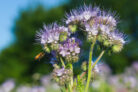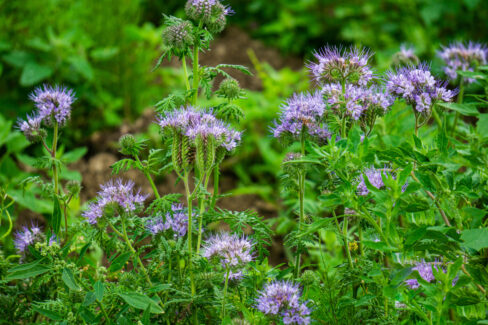
Phacelia—often called “Bee Friend” or “Purple Tansy”—has been having a major moment in the gardening world lately. And honestly? It’s well-deserved! This gorgeous plant is a total multitasker: it boasts a long blooming season, provides a feast for our favorite pollinators, and works wonders as a green manure to fix your soil. Best of all, it’s incredibly easy to grow just by scattering seeds directly into your garden beds.
Choosing the Right Variety and Pack Size
Most Phacelia varieties show off stunning shades of blue and lavender, but the main thing you’ll want to look at is the height. If you’re looking for a solid groundcover, *Phacelia purshii* is a popular low-growing choice. On the other hand, if you want something showy for the back of the border, *Phacelia tanacetifolia* can reach up to 40 inches tall and looks absolutely beautiful as an ornamental.
When it comes to location, Phacelia isn’t picky at all. As long as it gets plenty of sunlight, it’s happy. It can even handle tough, rocky soil that other plants might shun. Plus, thanks to its soil-improving superpowers, it’ll actually leave the earth in better shape than it found it!
Here’s a quick guide on how much seed you’ll need:
- If you’re just filling a standard garden bed (around 400-450 square feet), a 7-ounce (200g) packet is plenty.
- If you’re planning to cover a larger area for green manure or a dedicated bee meadow, go for a bulk 2-pound (1kg) bag. It’s more cost-effective, and since the seeds stay viable for a long time, you can keep them on hand to re-sow any bare spots. That way, you can enjoy those fuzzy blue flower clusters all summer long.
Why Beekeepers Love Phacelia
Beekeepers absolutely swear by Phacelia. Each tiny flower produces an impressive amount of nectar, making it a magnet for honeybees and wild pollinators alike.
Once you get the seeds in the ground, they germinate quickly. You’ll usually see the first blooms opening up in just 5 to 7 weeks. This makes Phacelia a lifesaver in August and September when other nectar sources start to dry up. Even better? It’s a champion at self-seeding, so it often comes back on its own without costing you a dime.
Tips for Sowing Your Seeds
Phacelia seeds are quite tiny, which can make sowing them by hand a little tricky if you’re new to it. Here’s a pro tip: mix the seeds with a bit of dry sand before you scatter them. It helps you see where you’ve already sown and ensures even coverage. Once they’re down, just lightly rake them into the soil, give them a good watering, and let nature do its thing!